

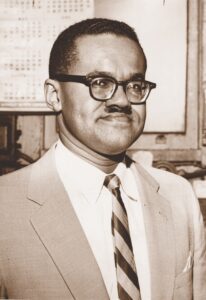
A year after his death, a trailblazing attorney in Norfolk is still making his mark on this world. Here at Arts for Learning, we’re tremendously grateful to receive funds during #BlackHistoryMonth from the estate of William T. Mason, Jr., who passed away in February 2023 at the age of 96.
“We’re touched and inspired by Mr. Mason’s generous bequest to Arts for Learning Virginia,” said Chris Everly, CEO. “Through this gift, Mr. Mason extends his legacy. This bequest will provide opportunities for a new generation of children to access and experience the transformative power of the arts.”
Mr. Mason made the gift in honor of his parents, the late William T. Mason, Sr., a prominent member of the community who served as administrator of Norfolk Community Hospital, and the late Vivian Carter Mason, a civic leader who became the first African American woman to be appointed to the Norfolk School Board.
Friends and colleagues knew W.T. Mason, Jr. as “Sonny.” President John F. Kennedy appointed him as the first African American Assistant U.S. Attorney in the Eastern District of Virginia, where he served from 1963 to 1972 and acted as a tireless crusader on school desegregation issues. Mr. Mason later established the first large interracial law firm in Norfolk: Mason, Robinson, Eichler and Zaleskie.
Among his contributions to the community, Mr. Mason served on Norfolk State University’s first Board of Visitors, the Norfolk United Way, the Urban League of Hampton Roads, the Norfolk Planning Council, the Board of Visitors for Colby College, the Crispus Attucks Cultural Center, and many professional organizations as a member of the Virginia State Bar.
In 2019, the City of Norfolk recognized Mr. Mason as an unsung hero in the civil rights movement for his promotion of democratic values and his commitment to removing barriers to fair elections such as the poll tax. In February 2023, shortly after his death, the Virginia House of Delegates passed a resolution in “respect for his memory and admiration for his personal and professional achievements and many years of service in dedication to the Norfolk community, the Commonwealth, and the United States.” Read the full resolution here: https://legiscan.com/VA/text/HR347/id/2777219/Virginia-2023-HR347-Enrolled.html
We thank all those individuals who choose to remember Arts for Learning in their estate plans. If you’d like to speak to someone about making a gift, please contact Chris Everly at CEO@Arts4LearningVA.org.
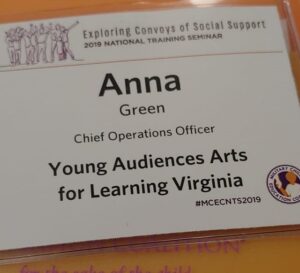
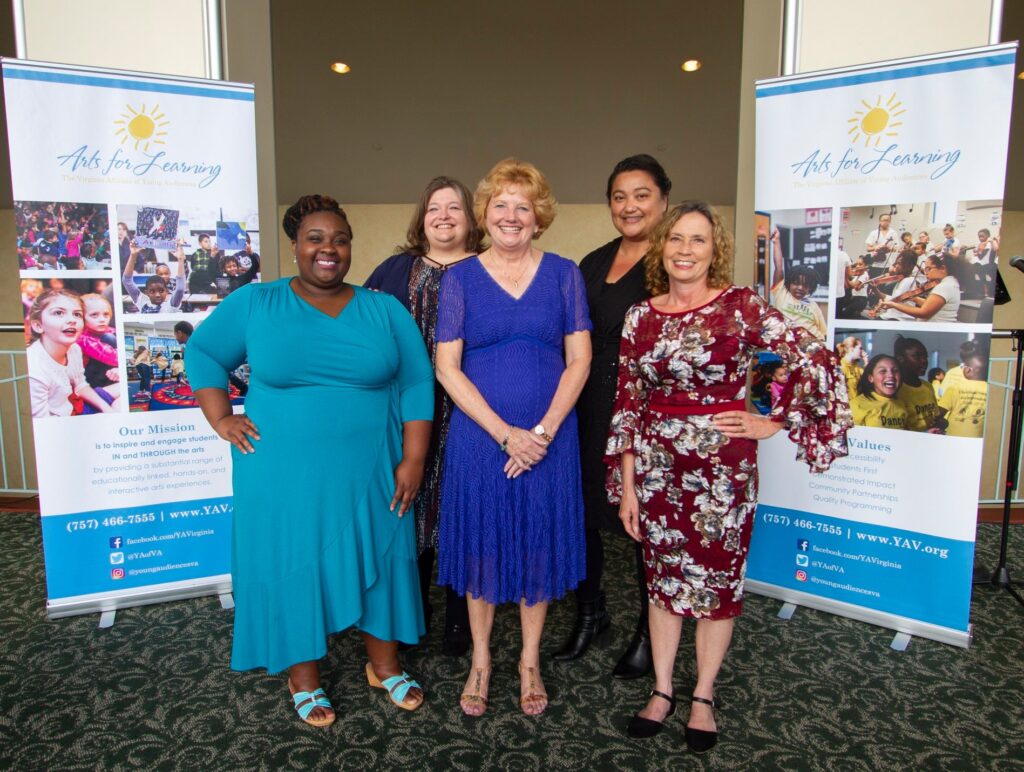
 On January 4, 2004, Anna started work as Scheduling Director for Young Audiences of Virginia, booking hundreds of artistic performances a year. On this day, twenty years later, we learn why she remains more committed than ever to the philosophy and practice of producing exceptional arts education for Virginia’s children.
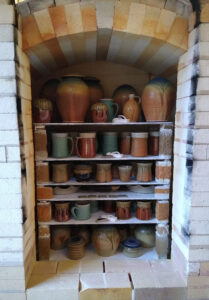 Anna’s parents are professional potters who opened their business when she was three years old. “When you’re raised in a family of artists, that’s pretty much your driving factor. I was always involved in the arts.”
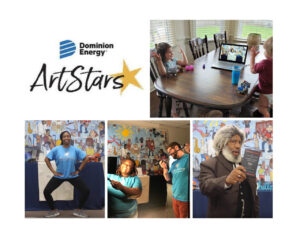 “Without the technology, we wouldn’t have been able to do that, let alone our jobs at all. It meant that we were able to do programming for the kids. It didn’t stop the work, and our downtime was only two weeks, and I’m really, really proud.”
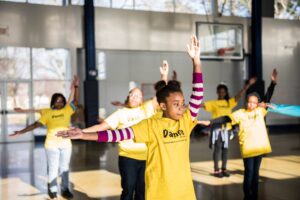
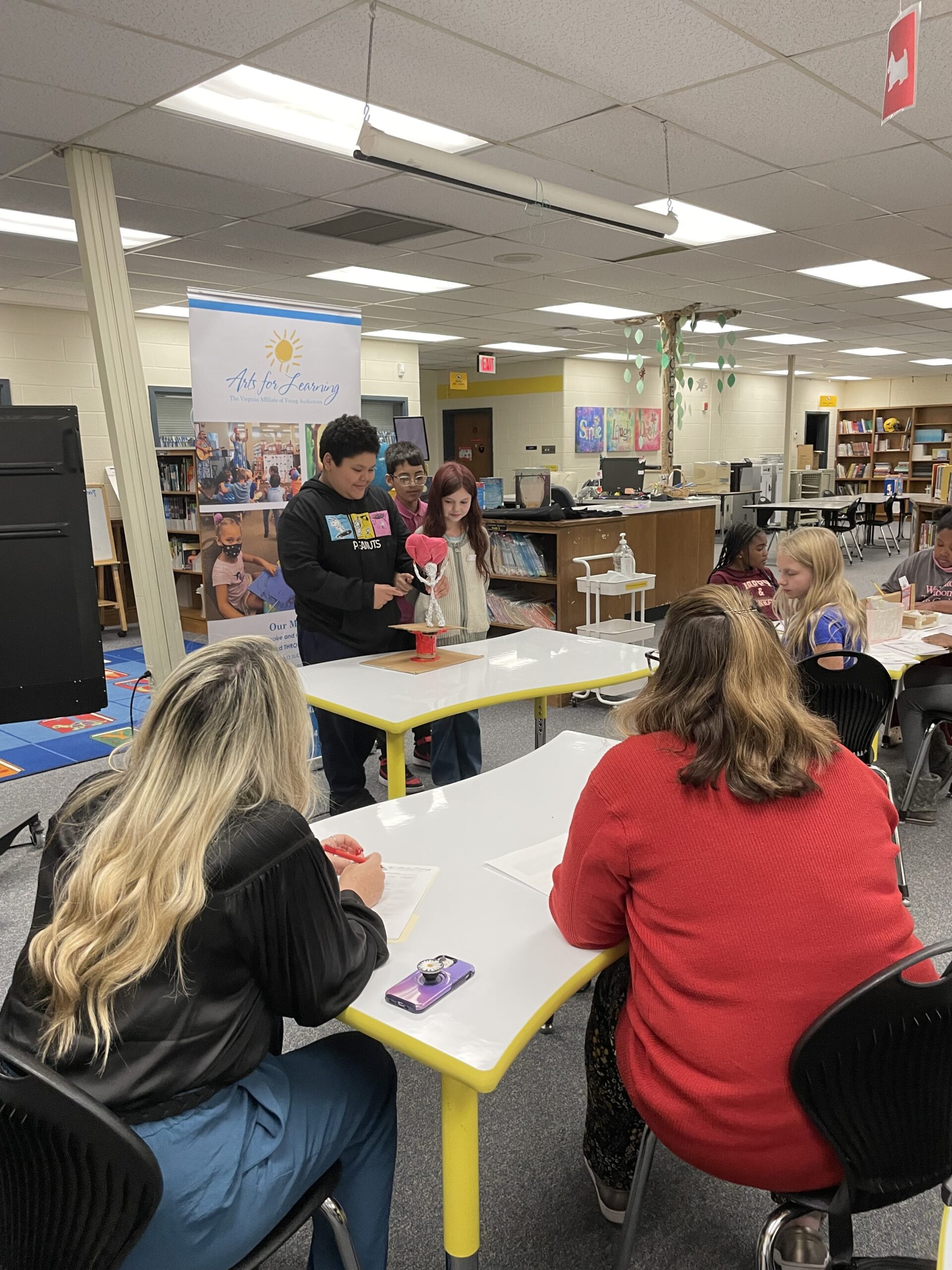
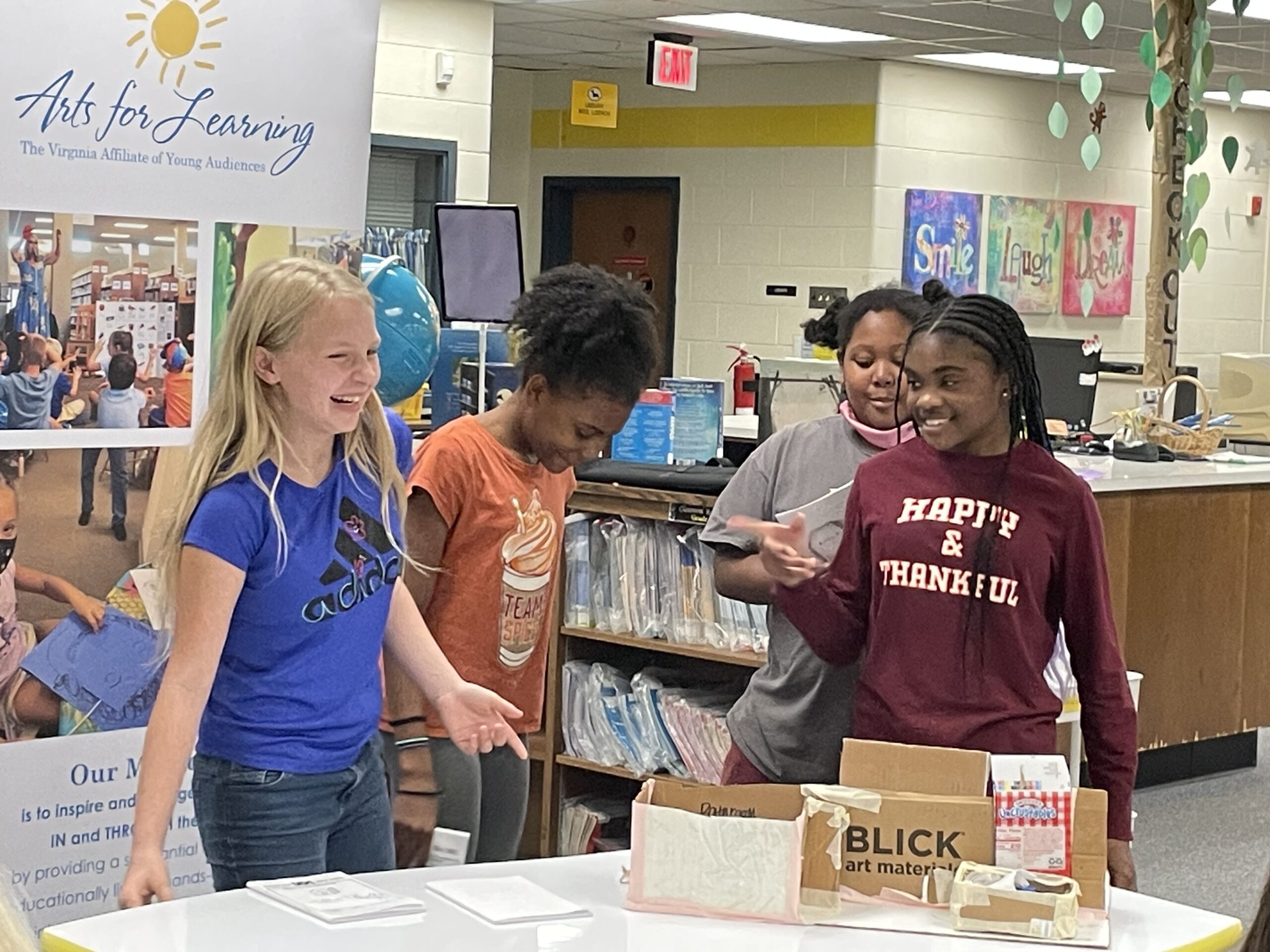
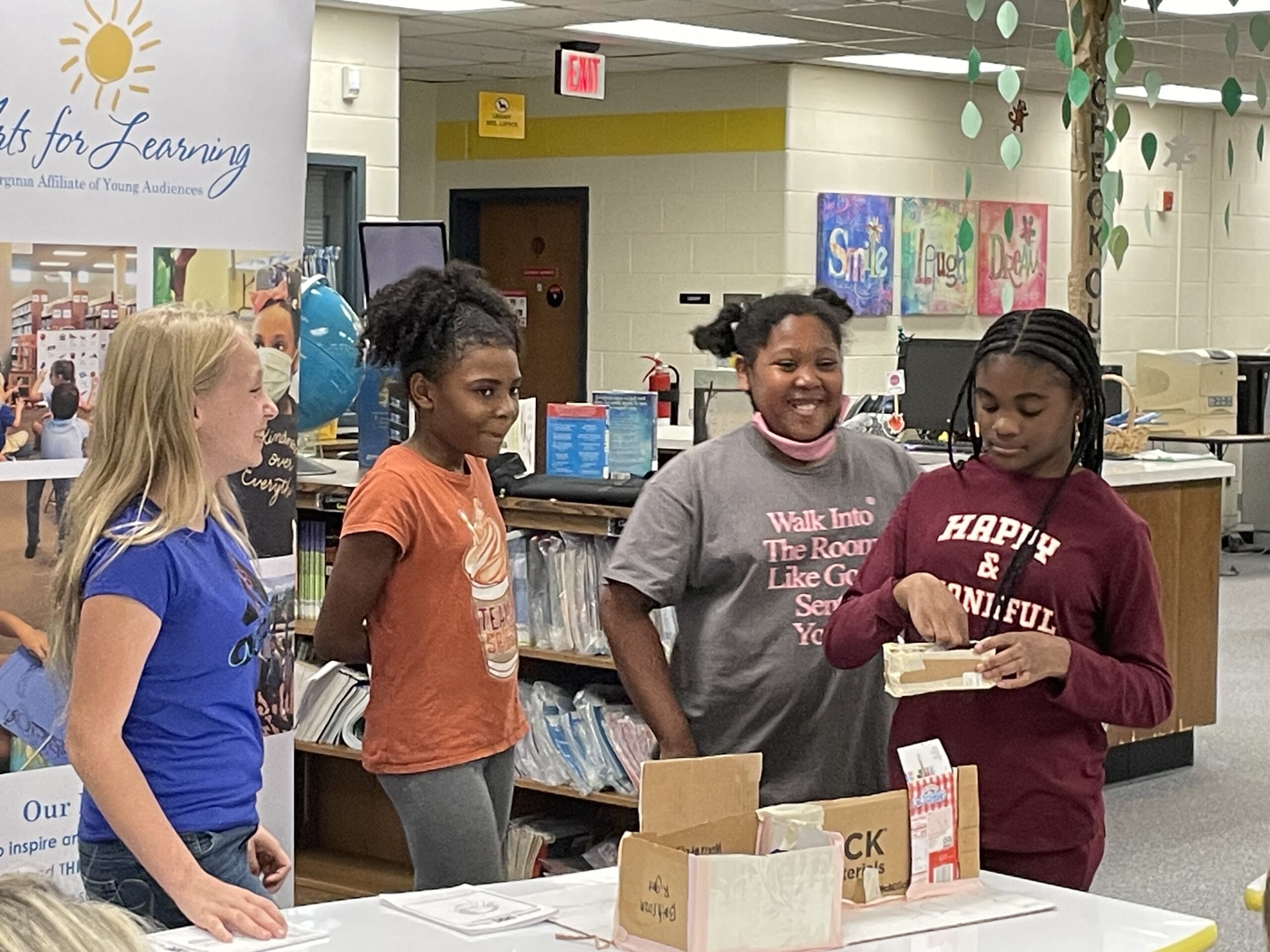
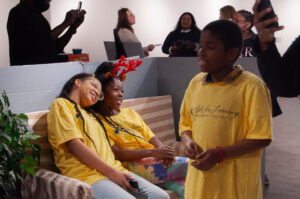 At the conclusion of the Community Creators in STEAM residency in Newport News, we talked with students about their experiences. Words that came up repeatedly were “teamwork,” “friends,” “fun,” and “help.”
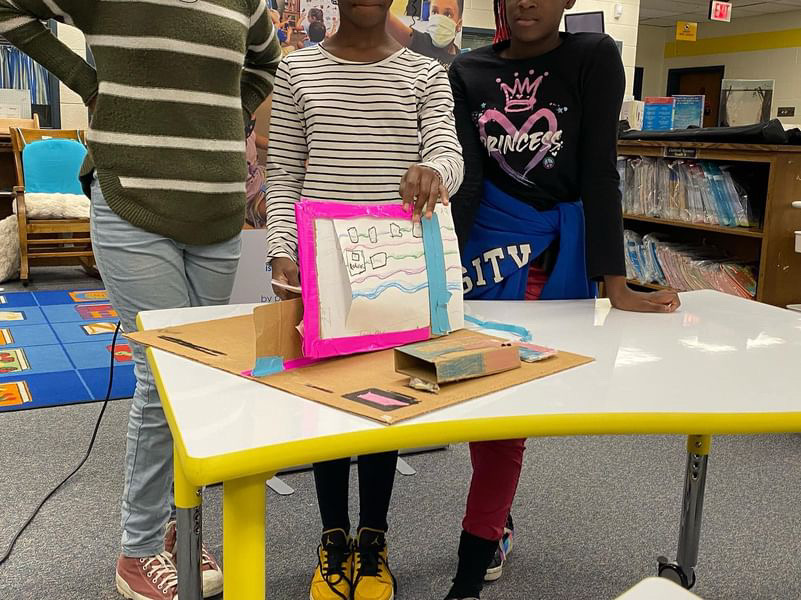
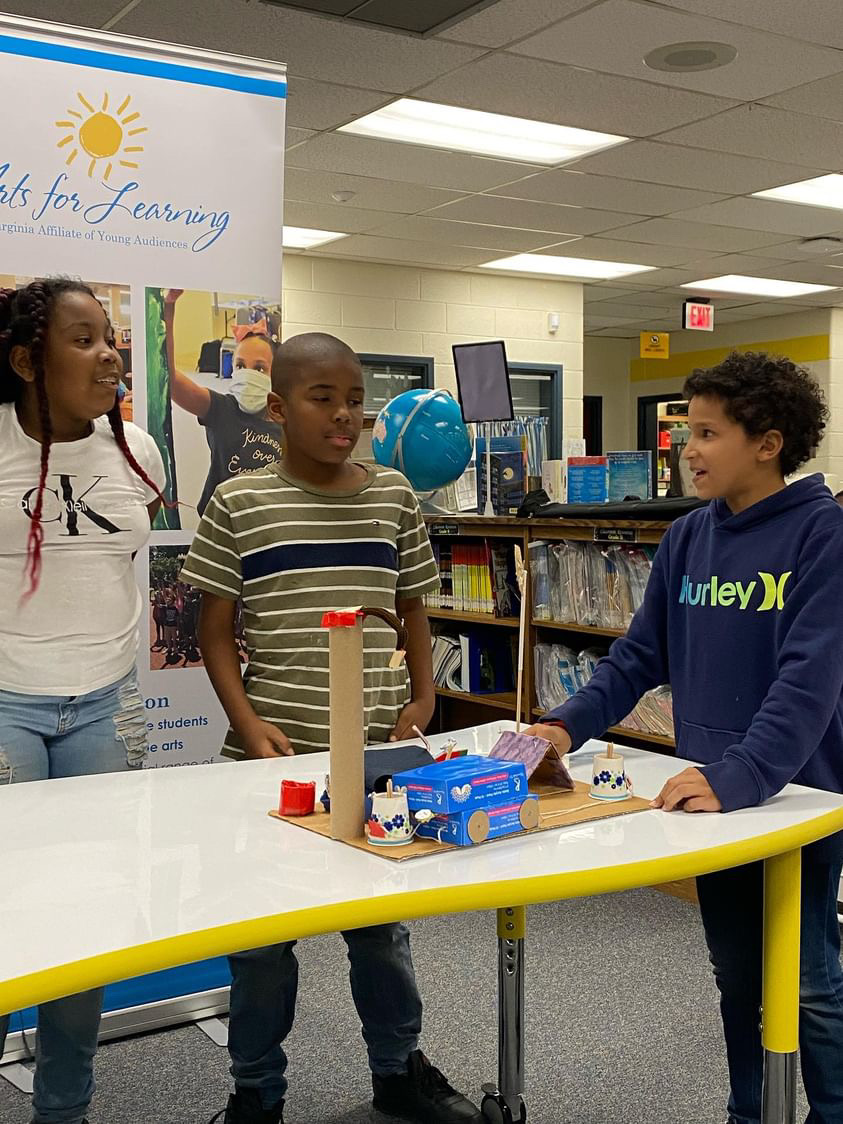
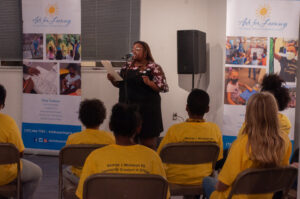 “The fifth-grade students at McIntosh Elementary School along with residency steward and teaching artists have spent the last nine weeks using the artistic and engineering design process to address a social issue in their community.
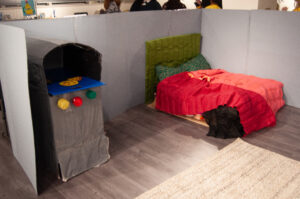 It was also important to the students that art was displayed around the house to give a sense of comfort and ownership. Throughout this project the students made intentional design choices from the color of the walls to the design layout. They wanted those facing this insecurity to feel welcomed.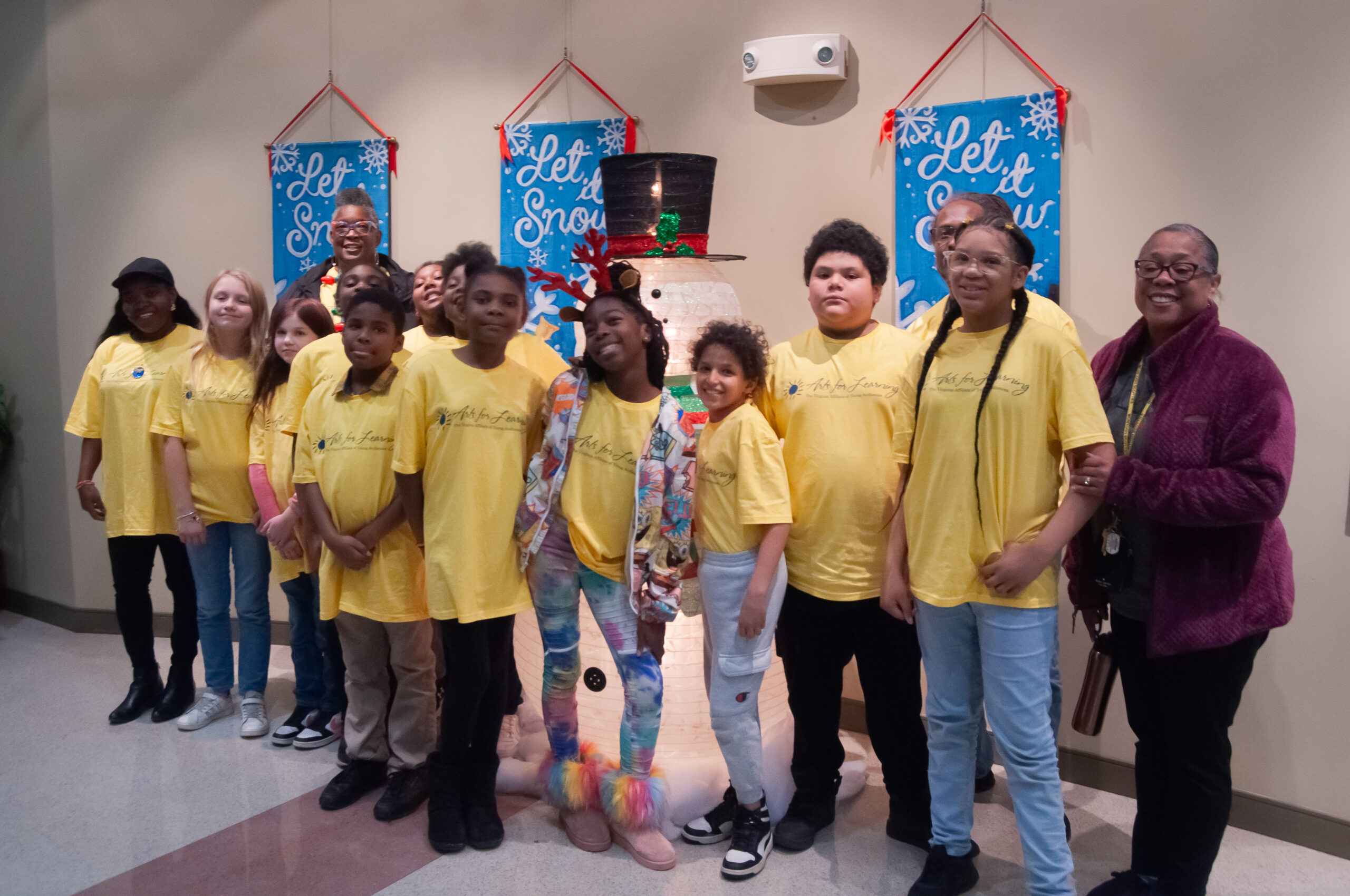
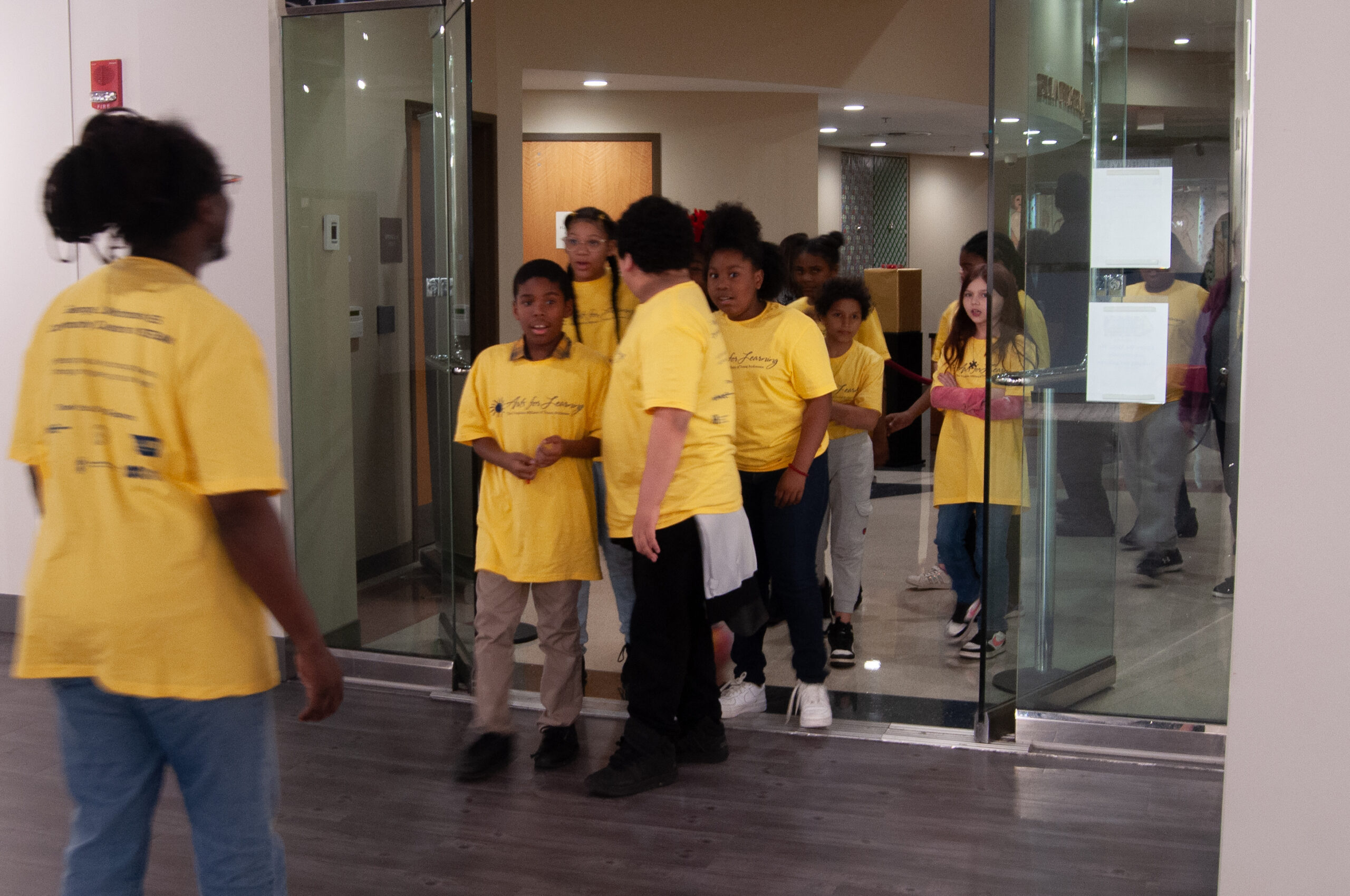
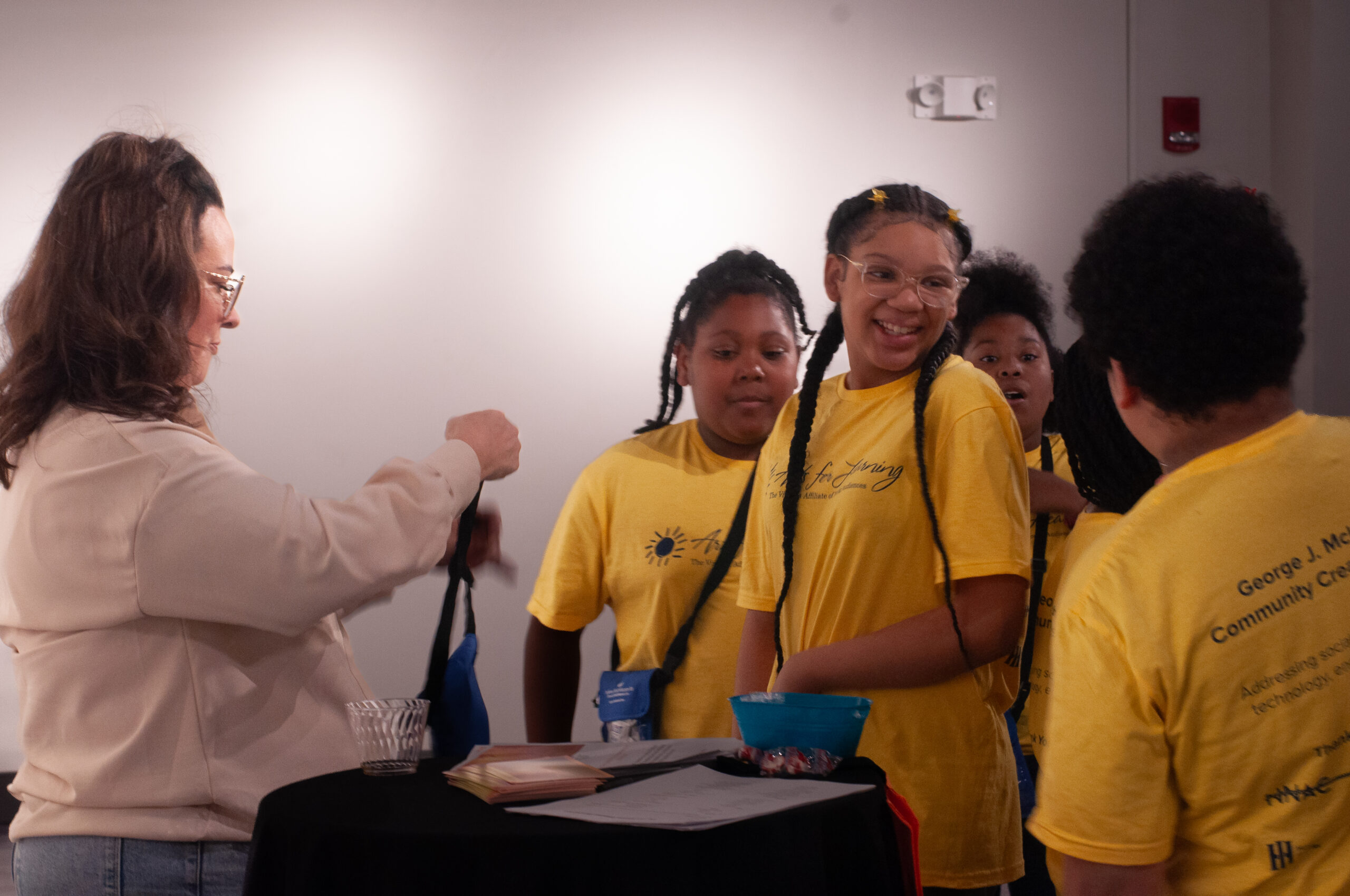
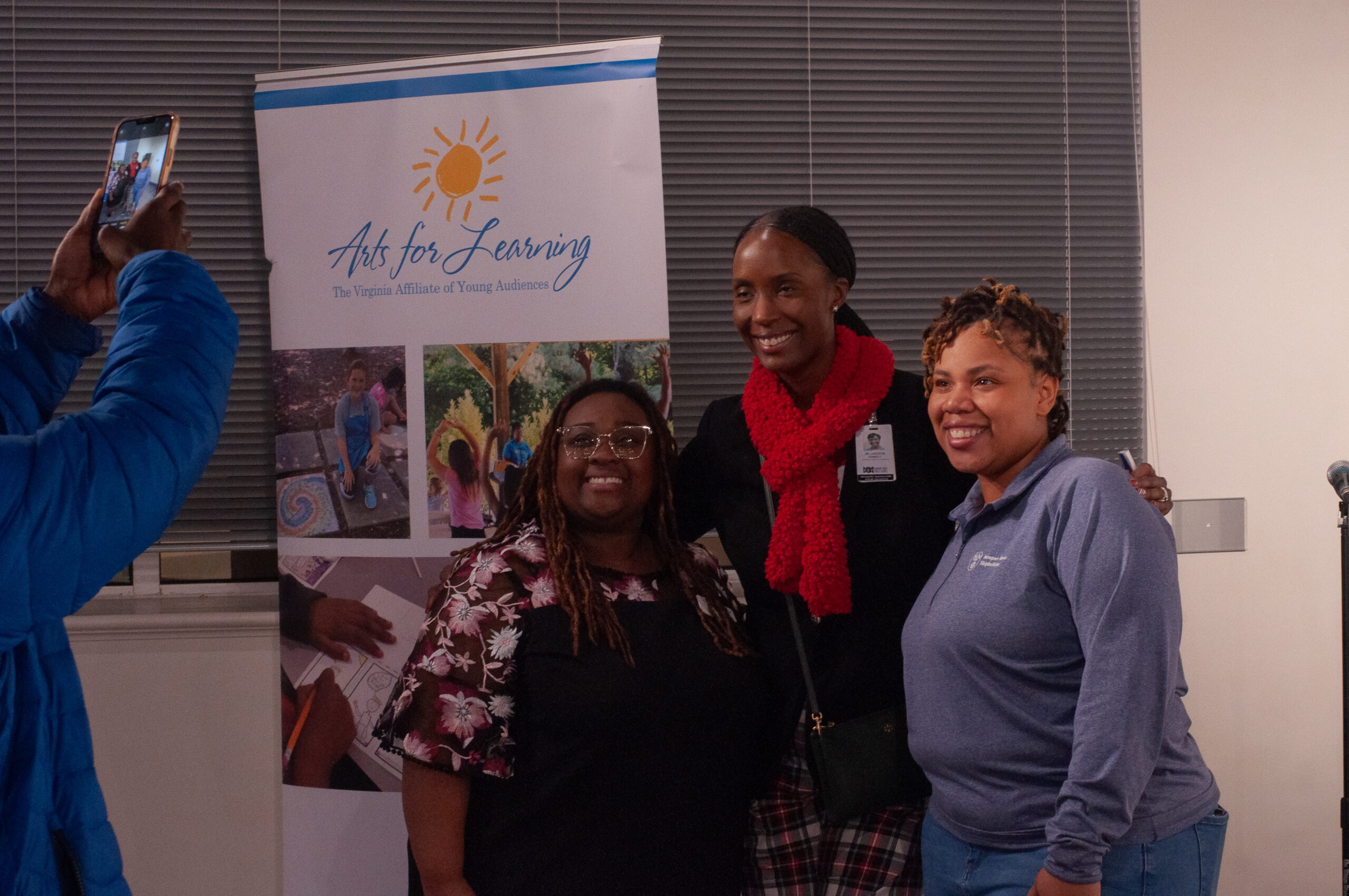
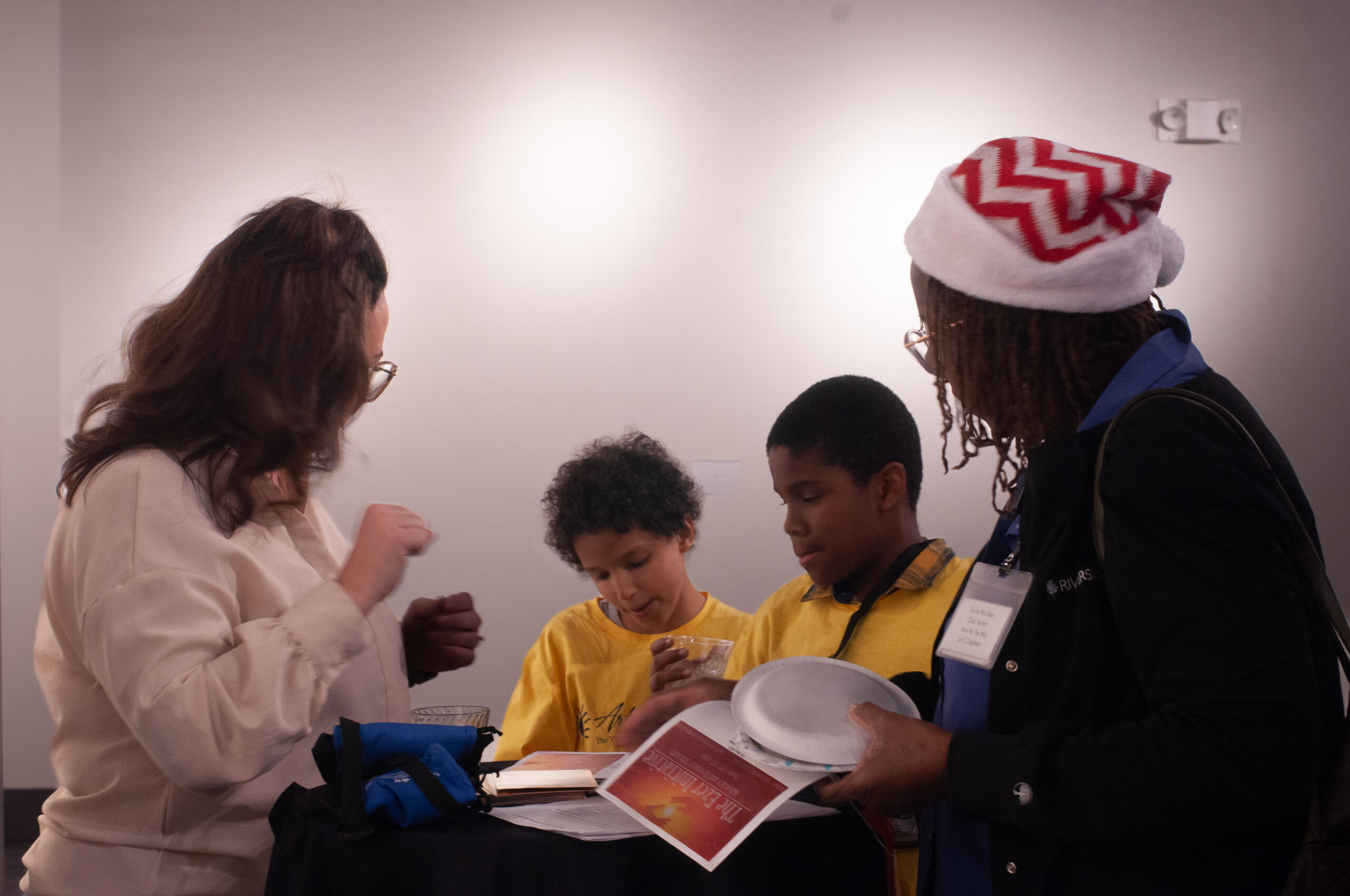
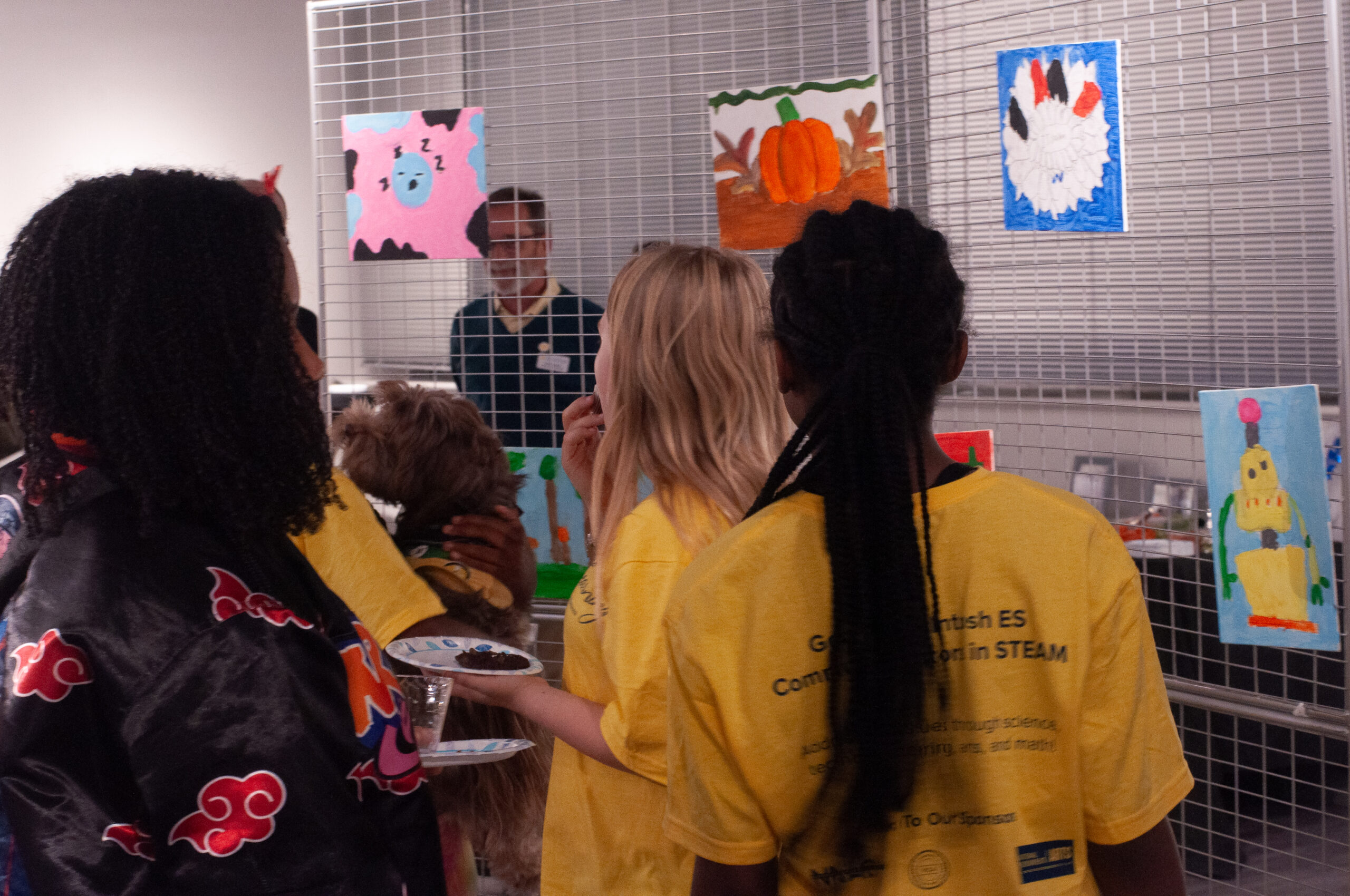
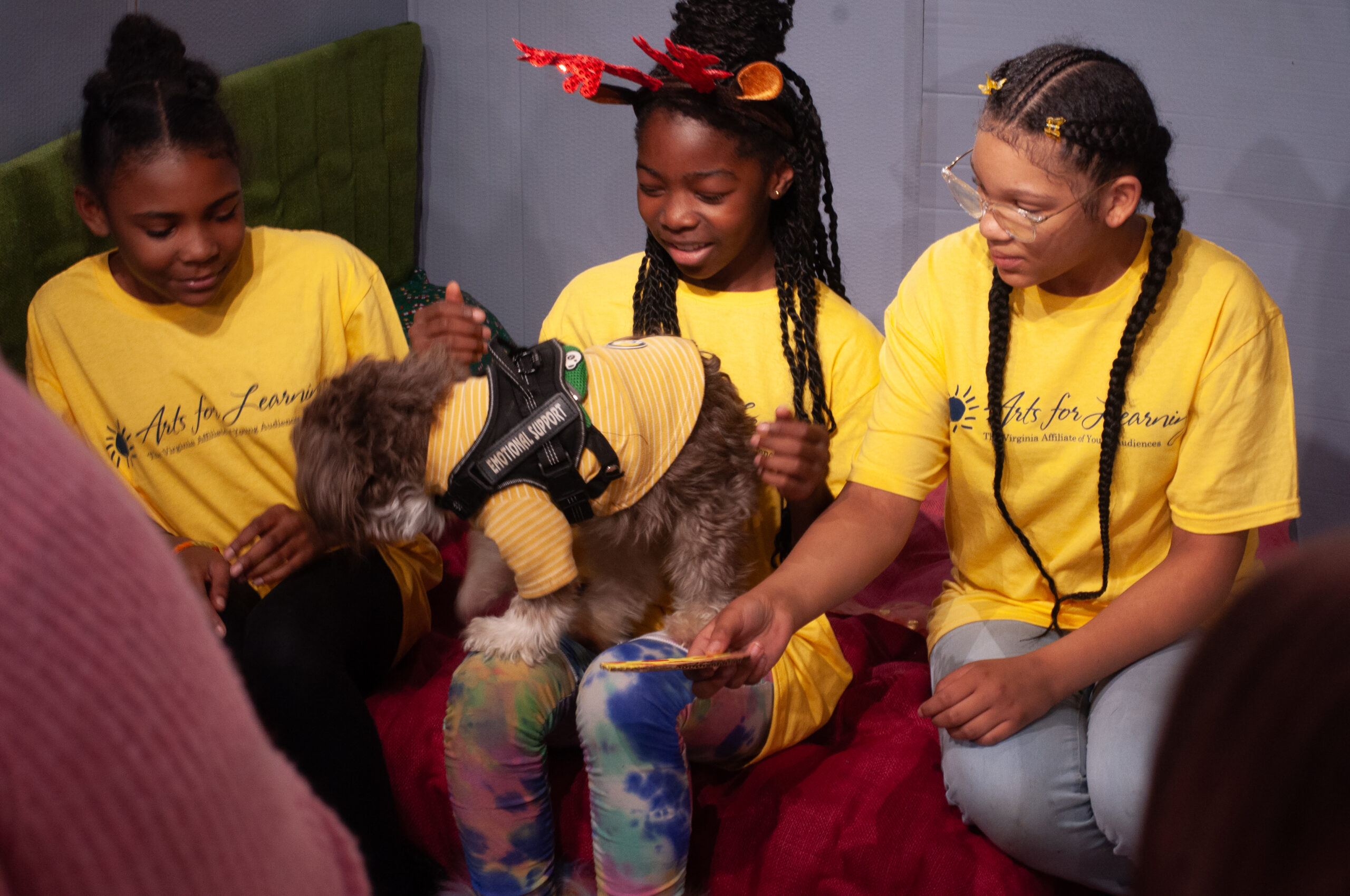
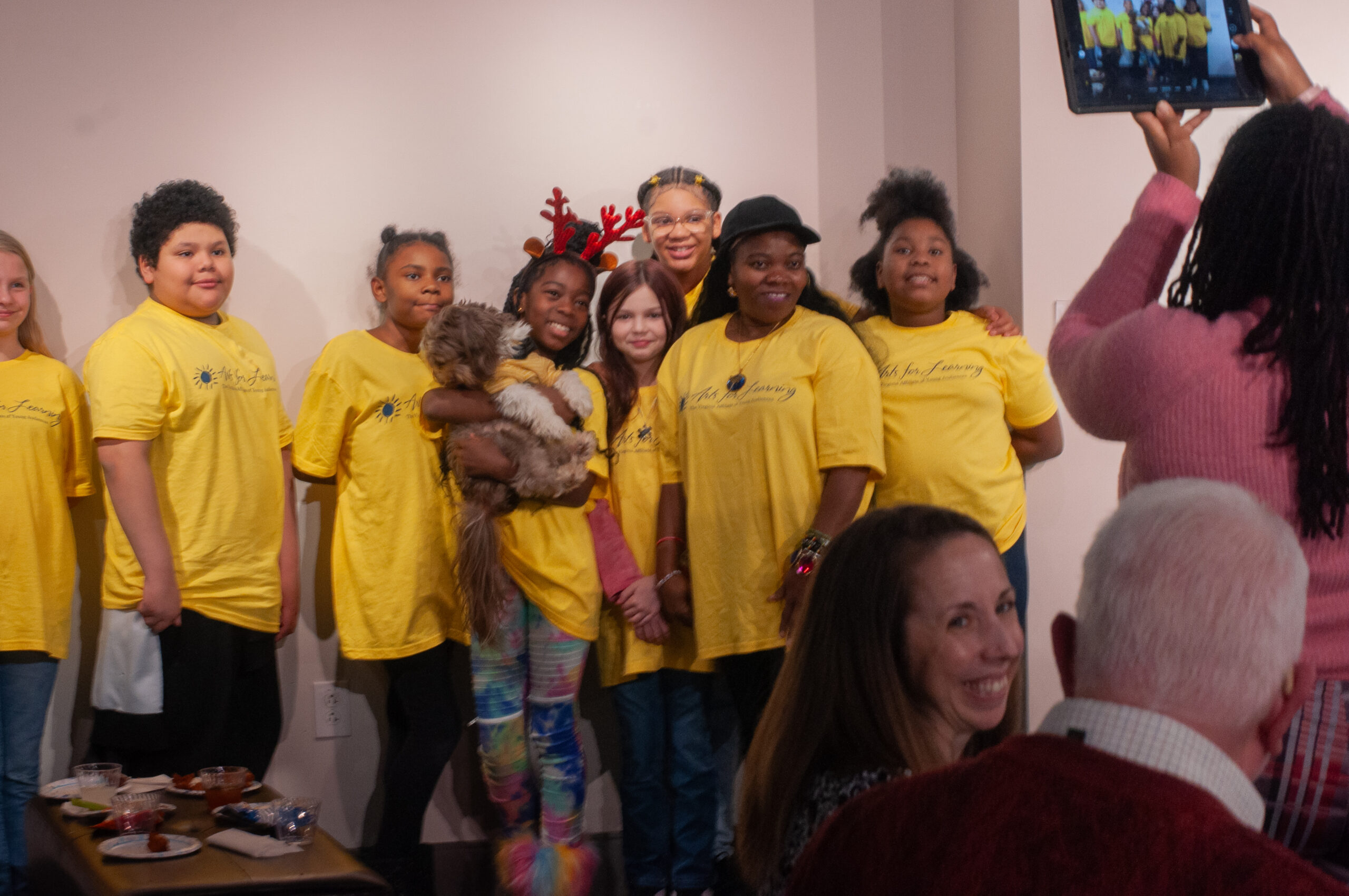
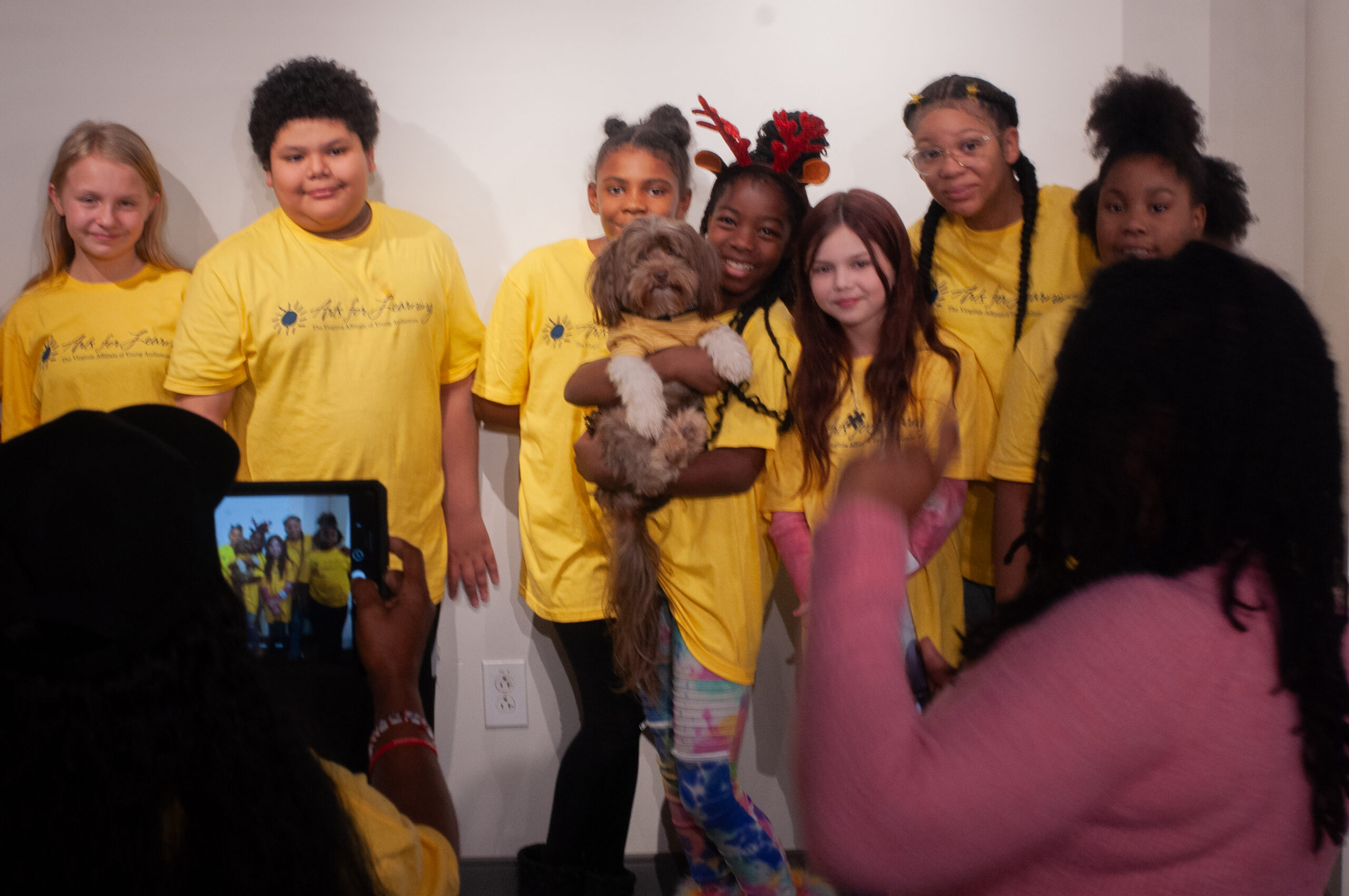
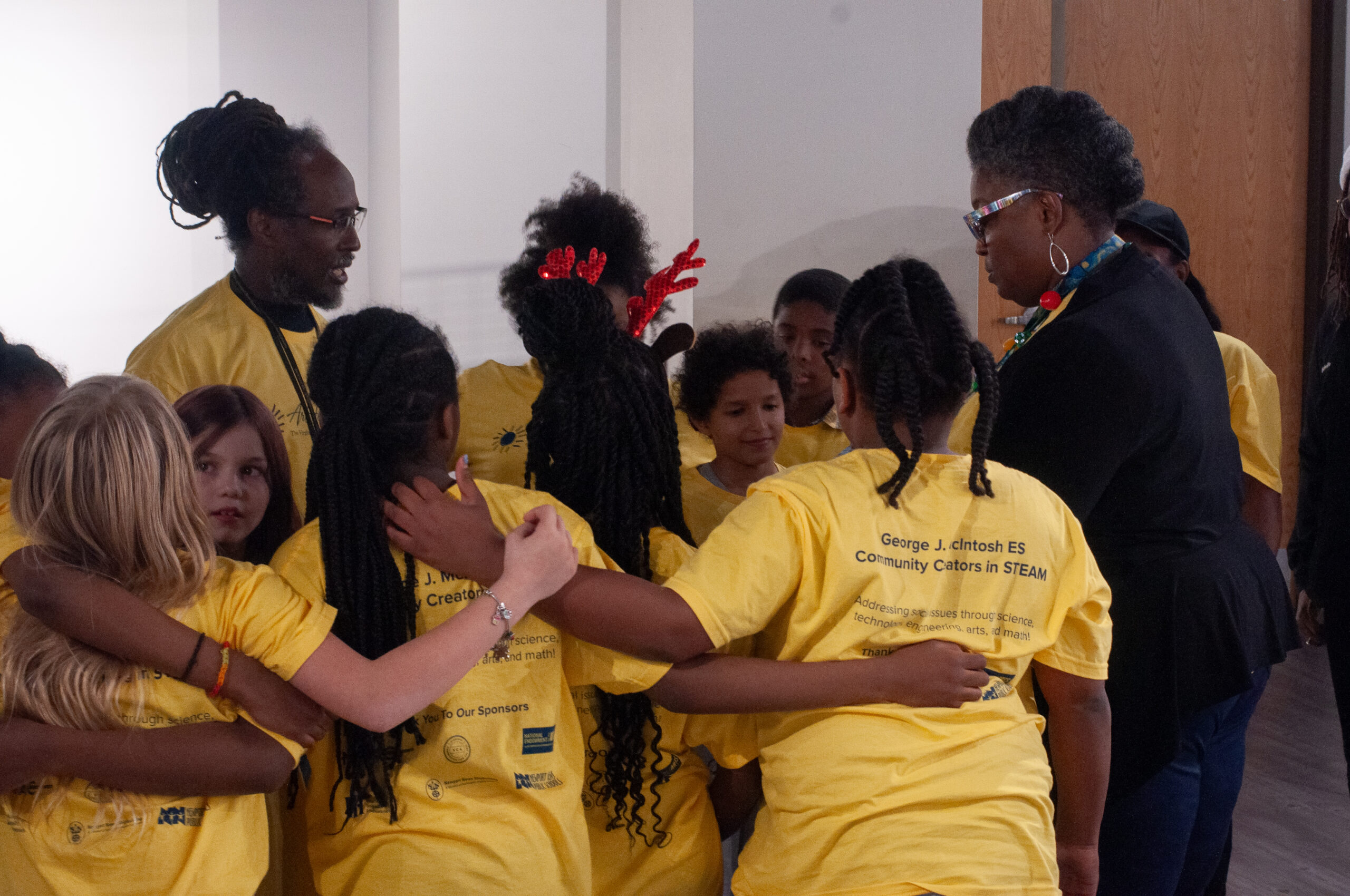
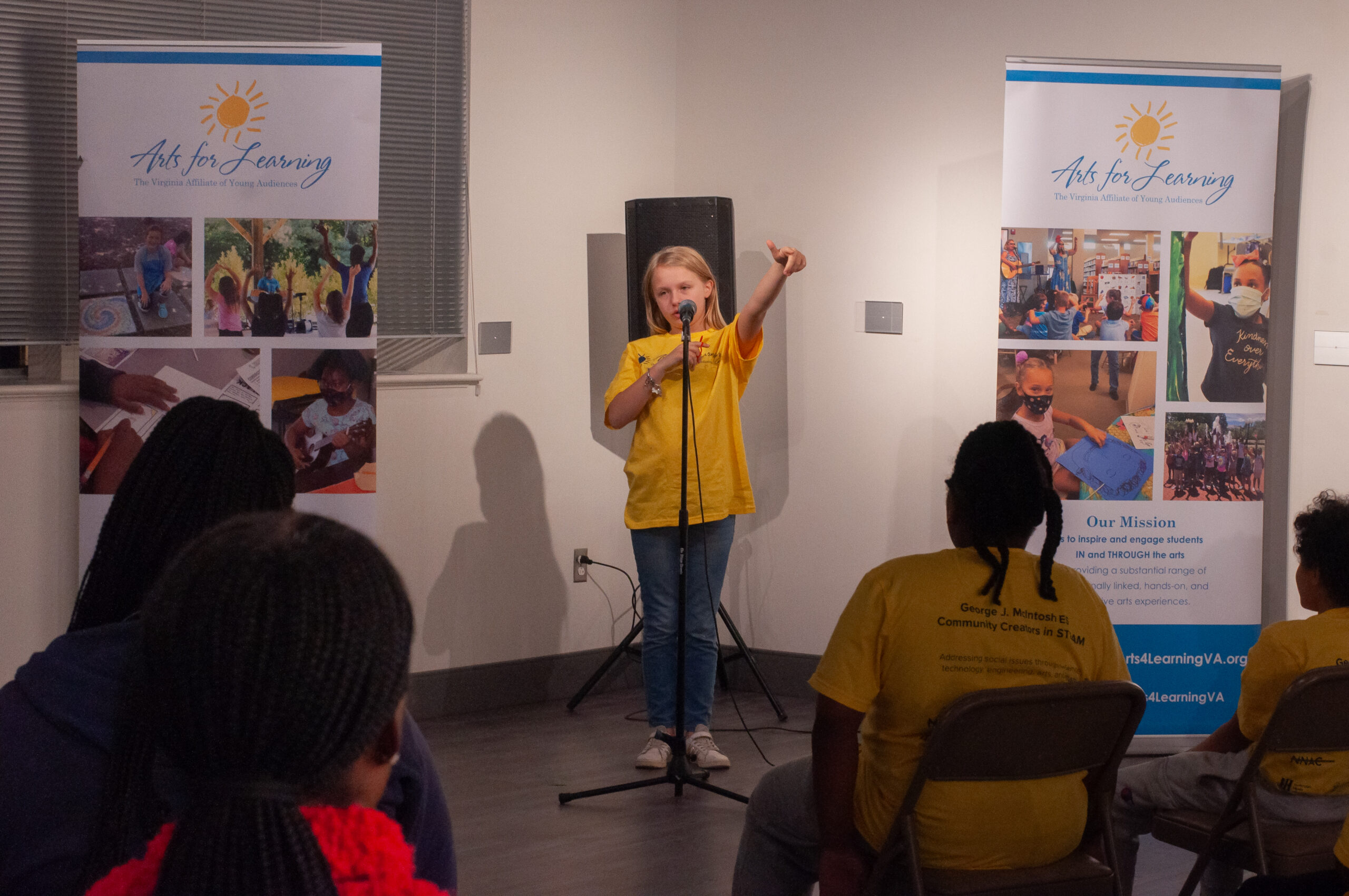
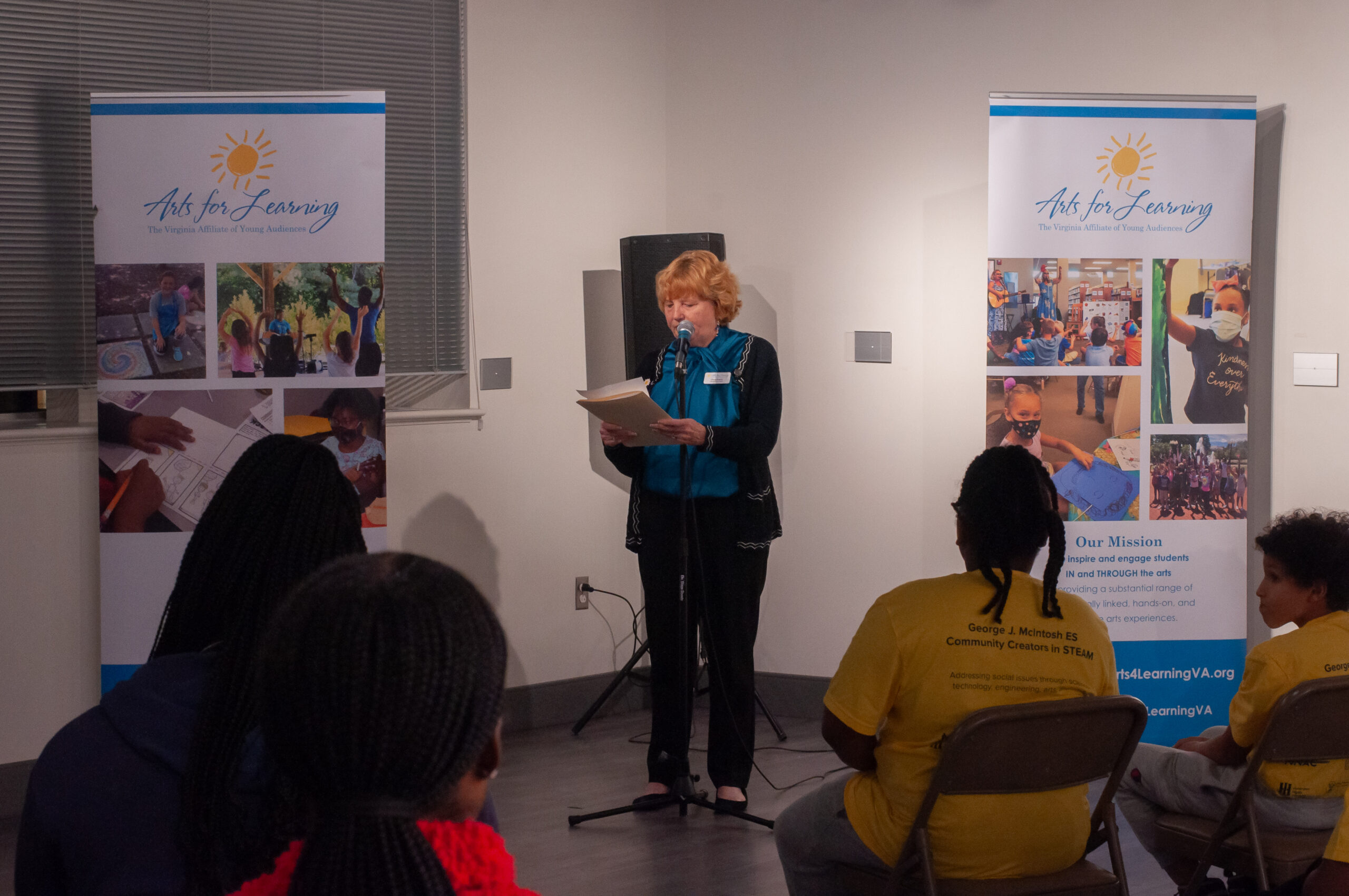
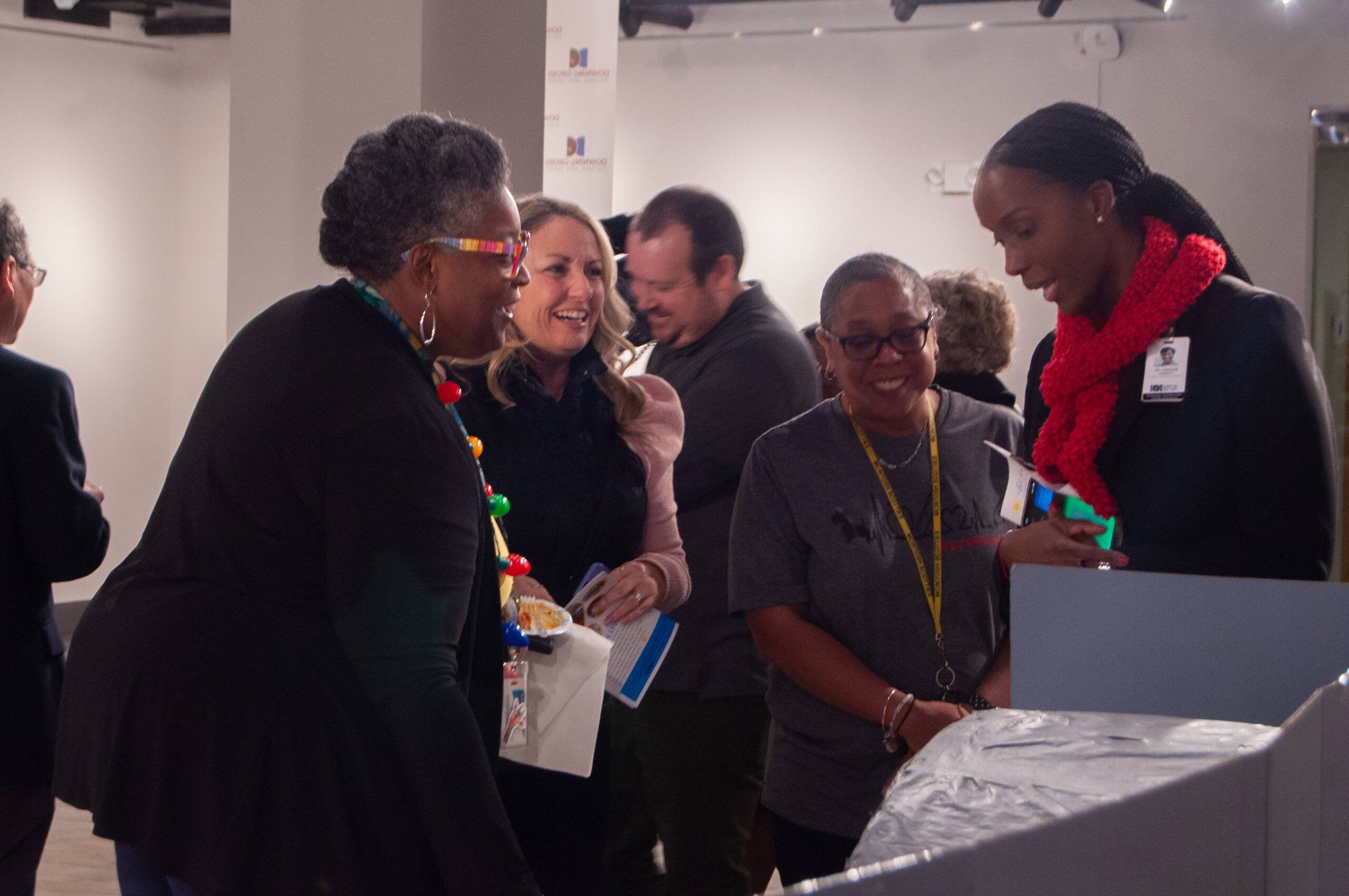
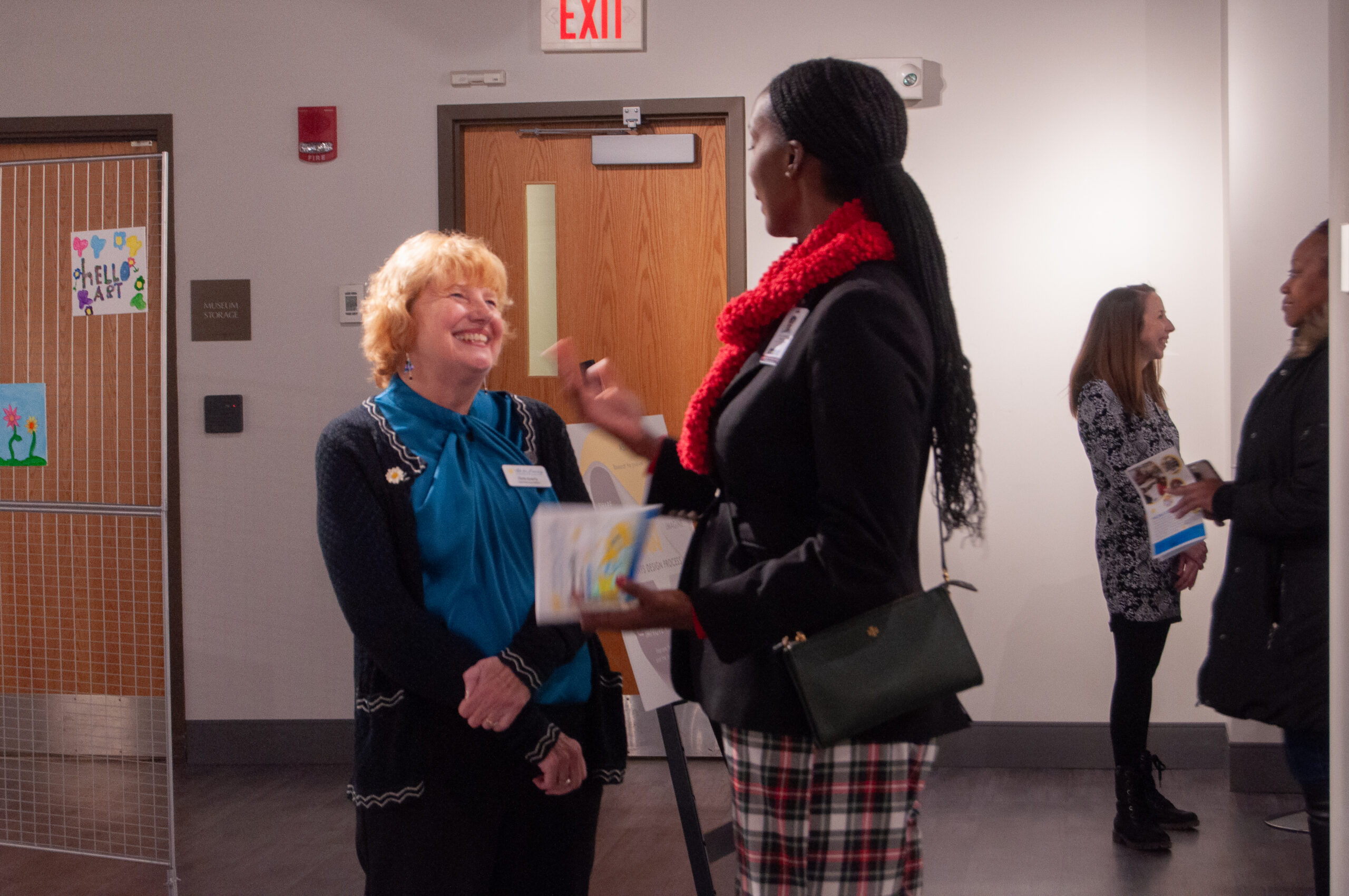
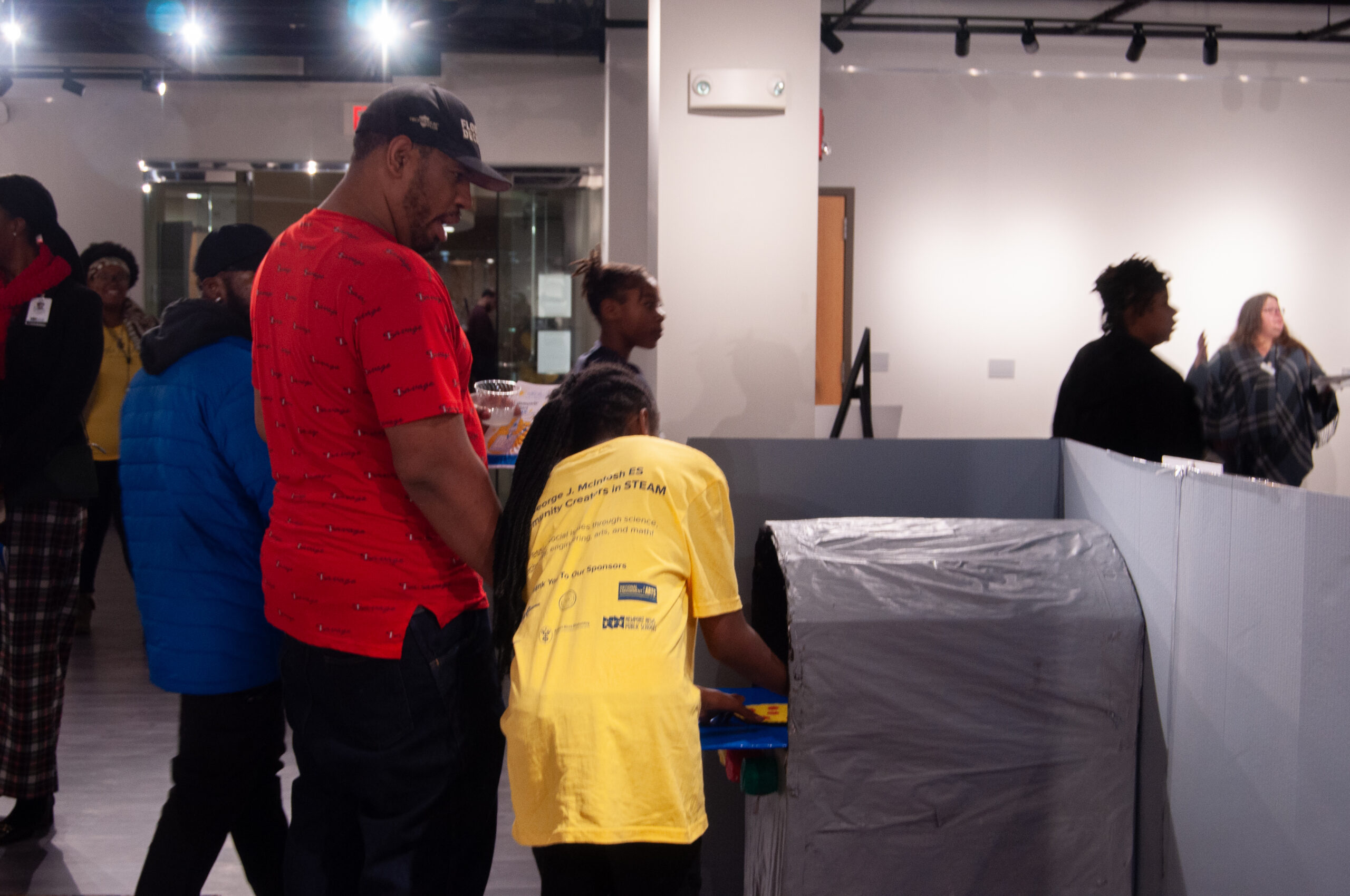
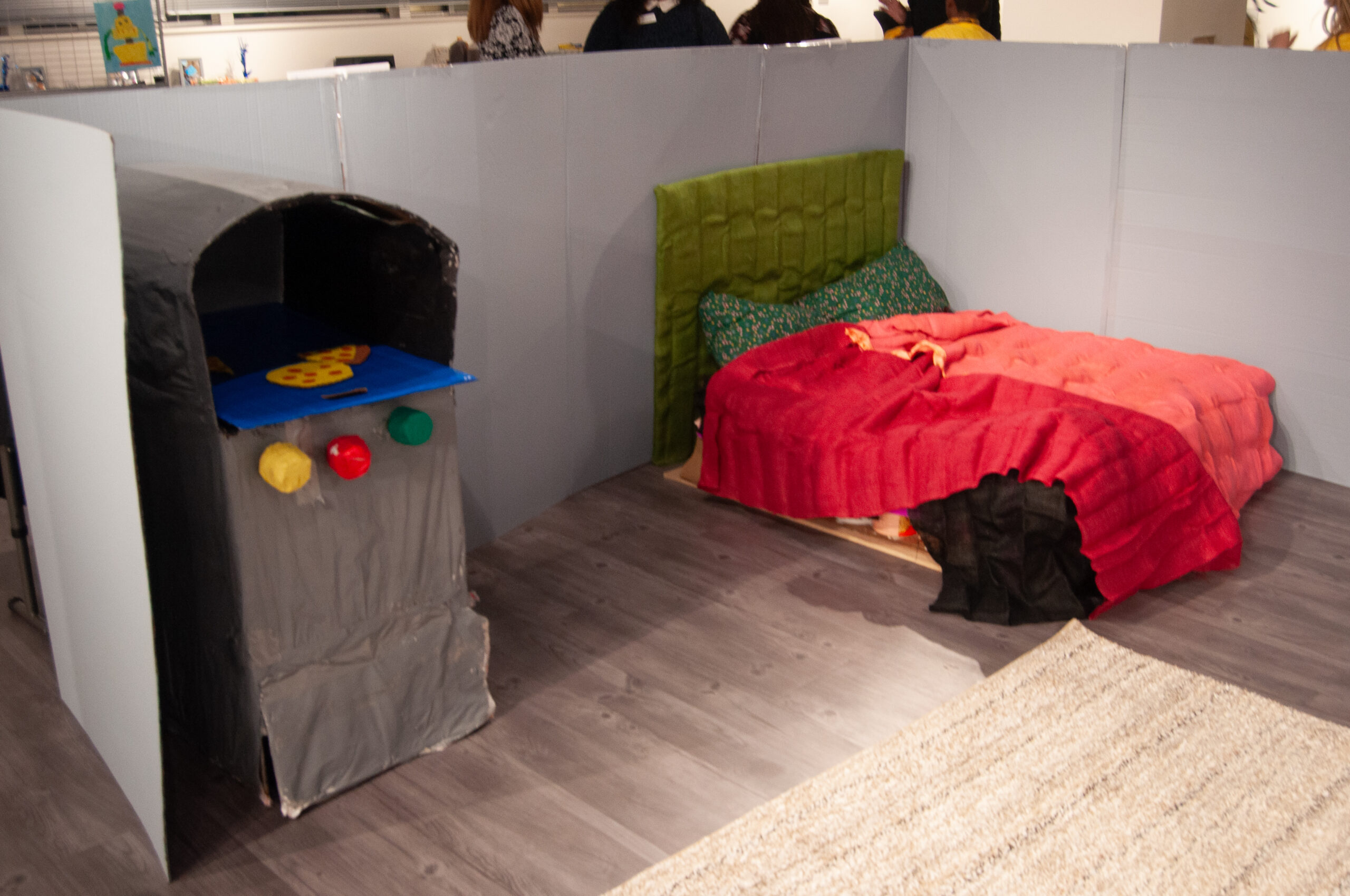
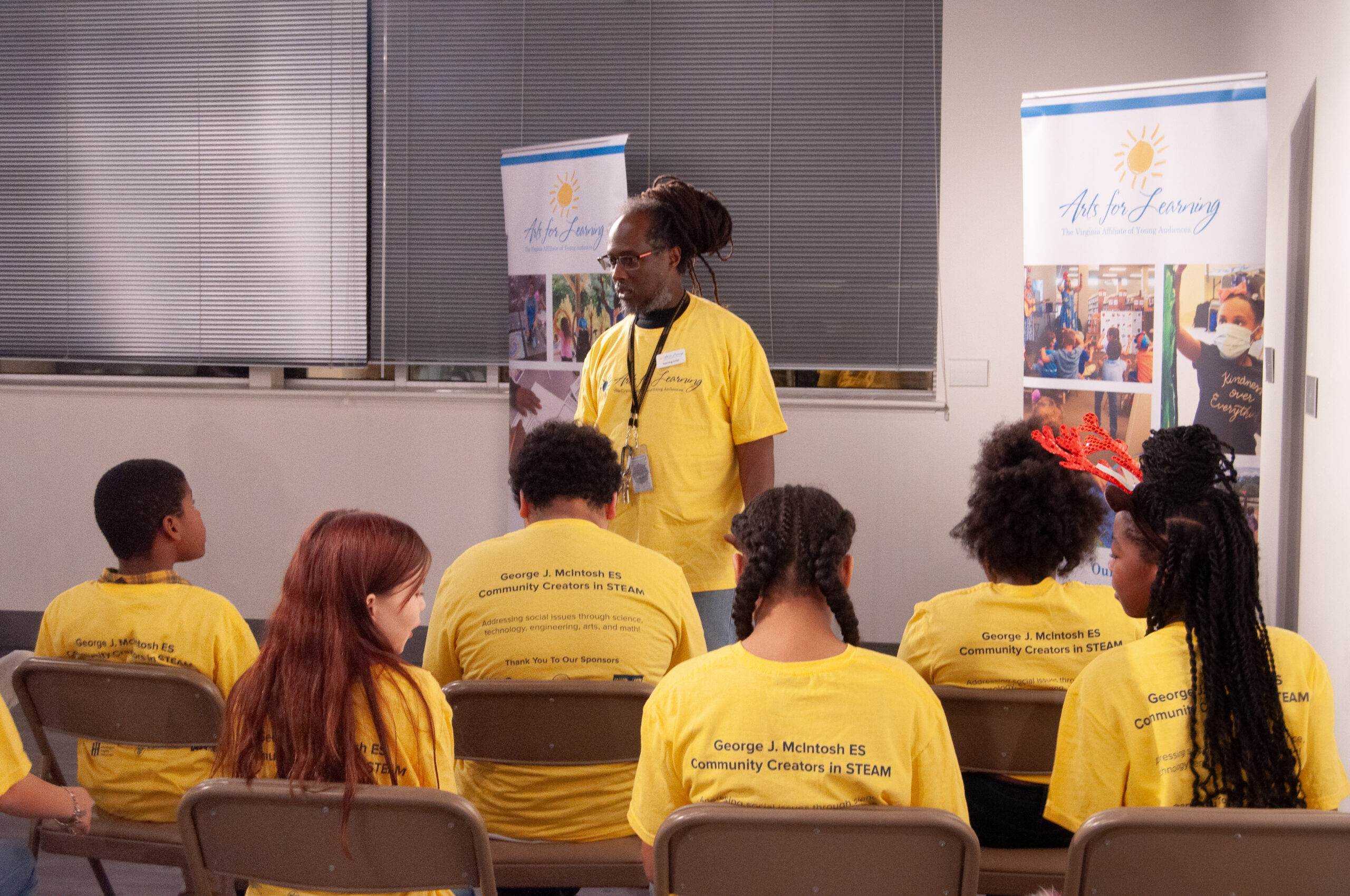
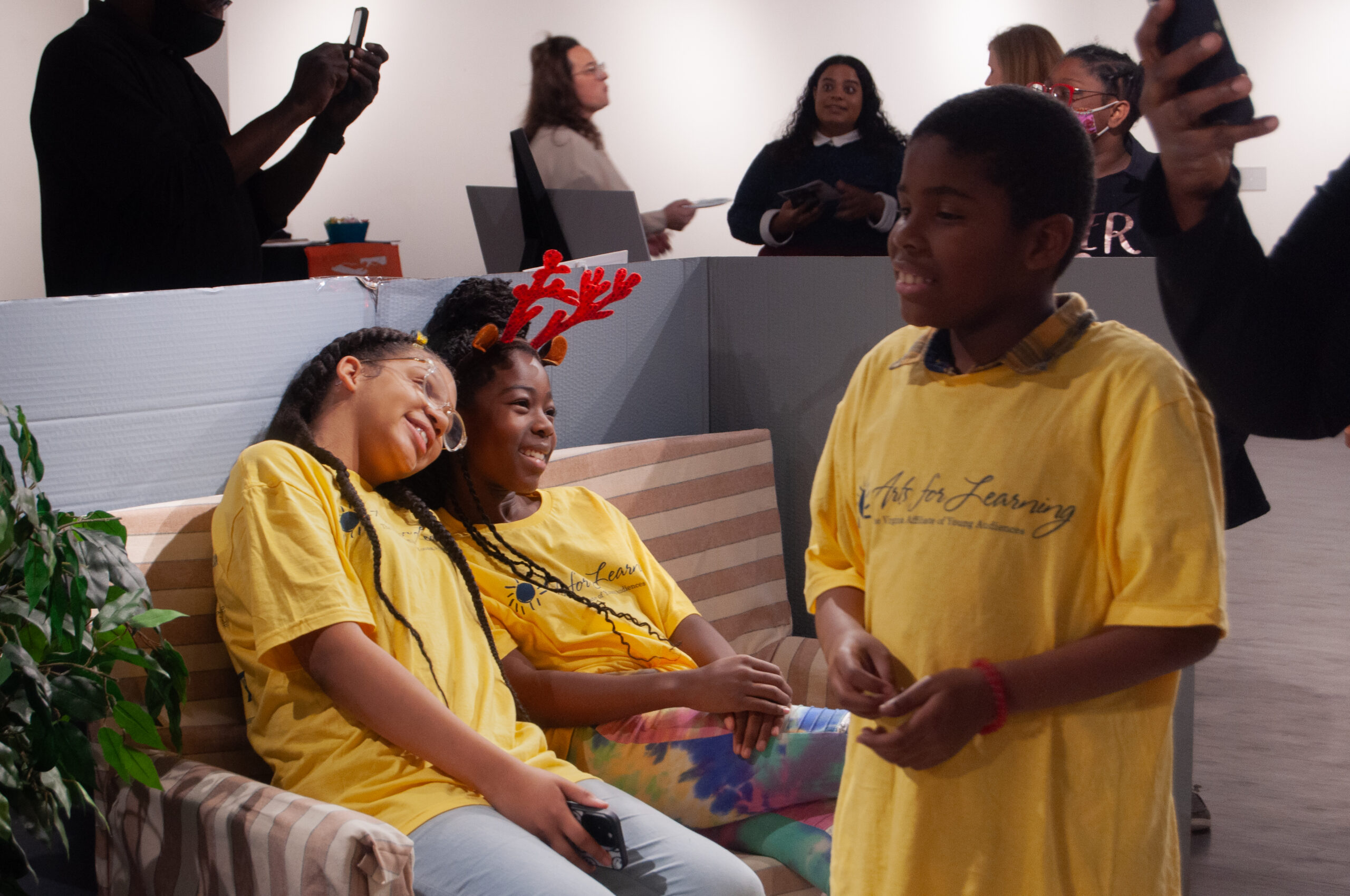
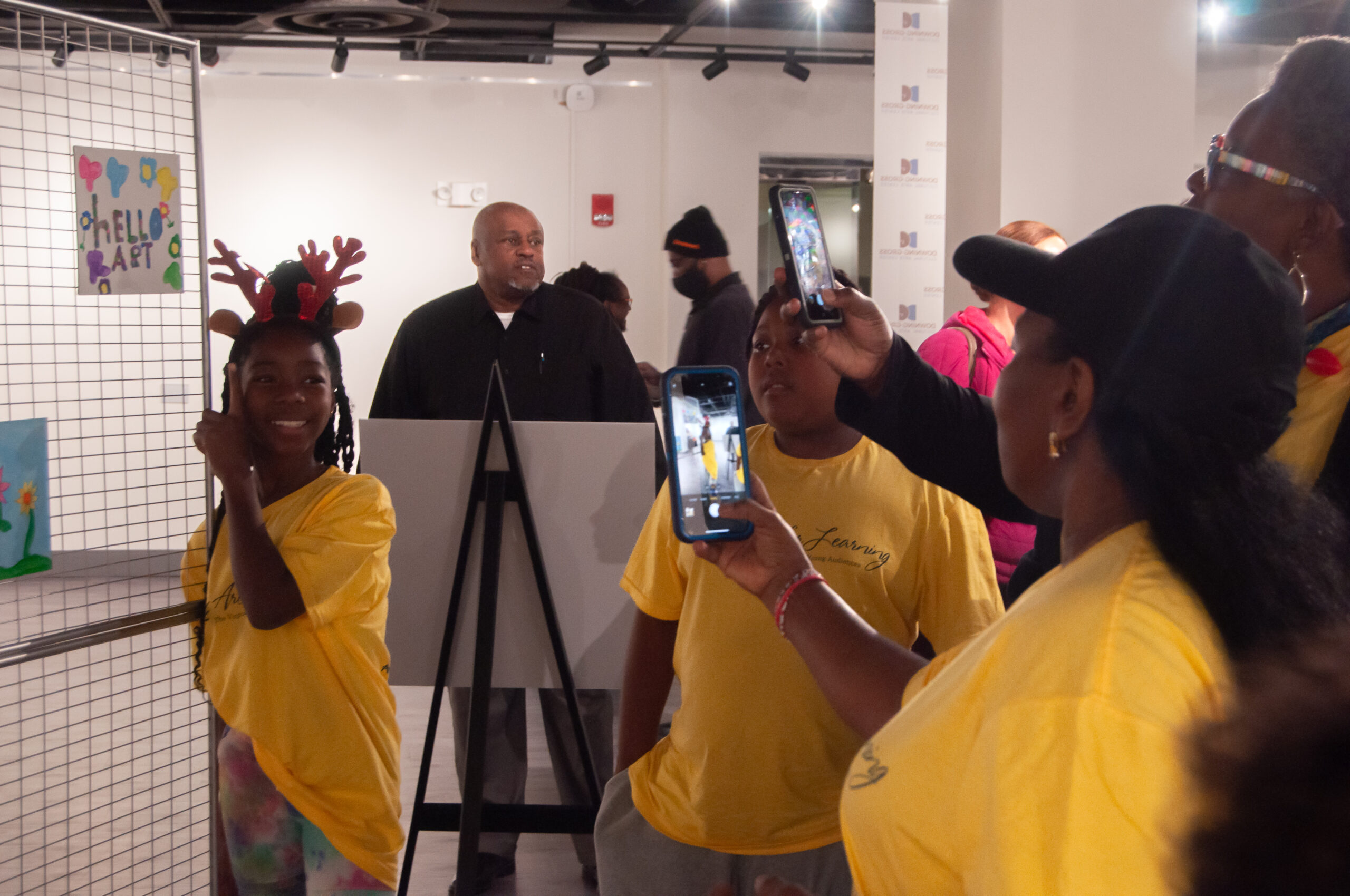
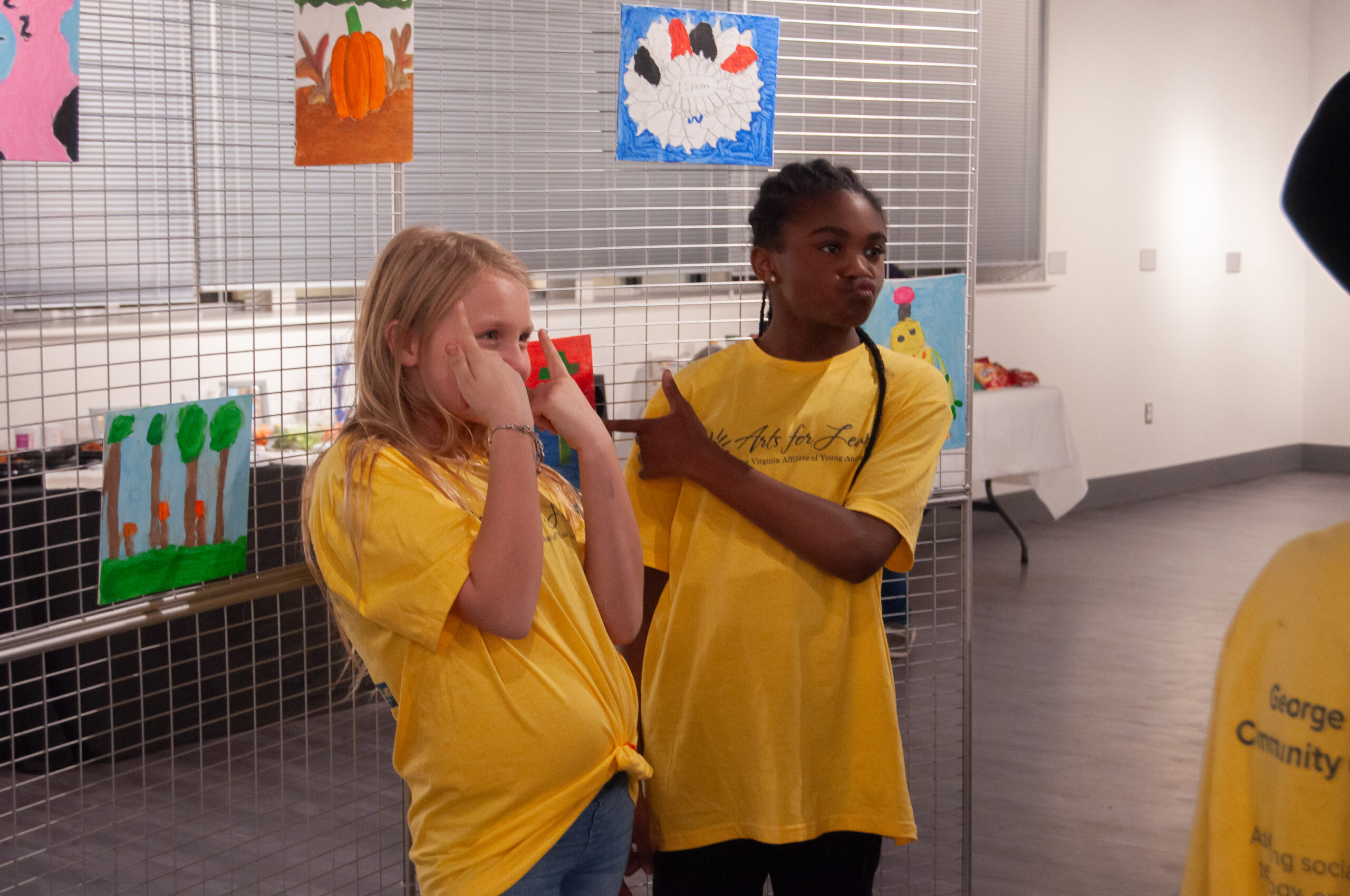
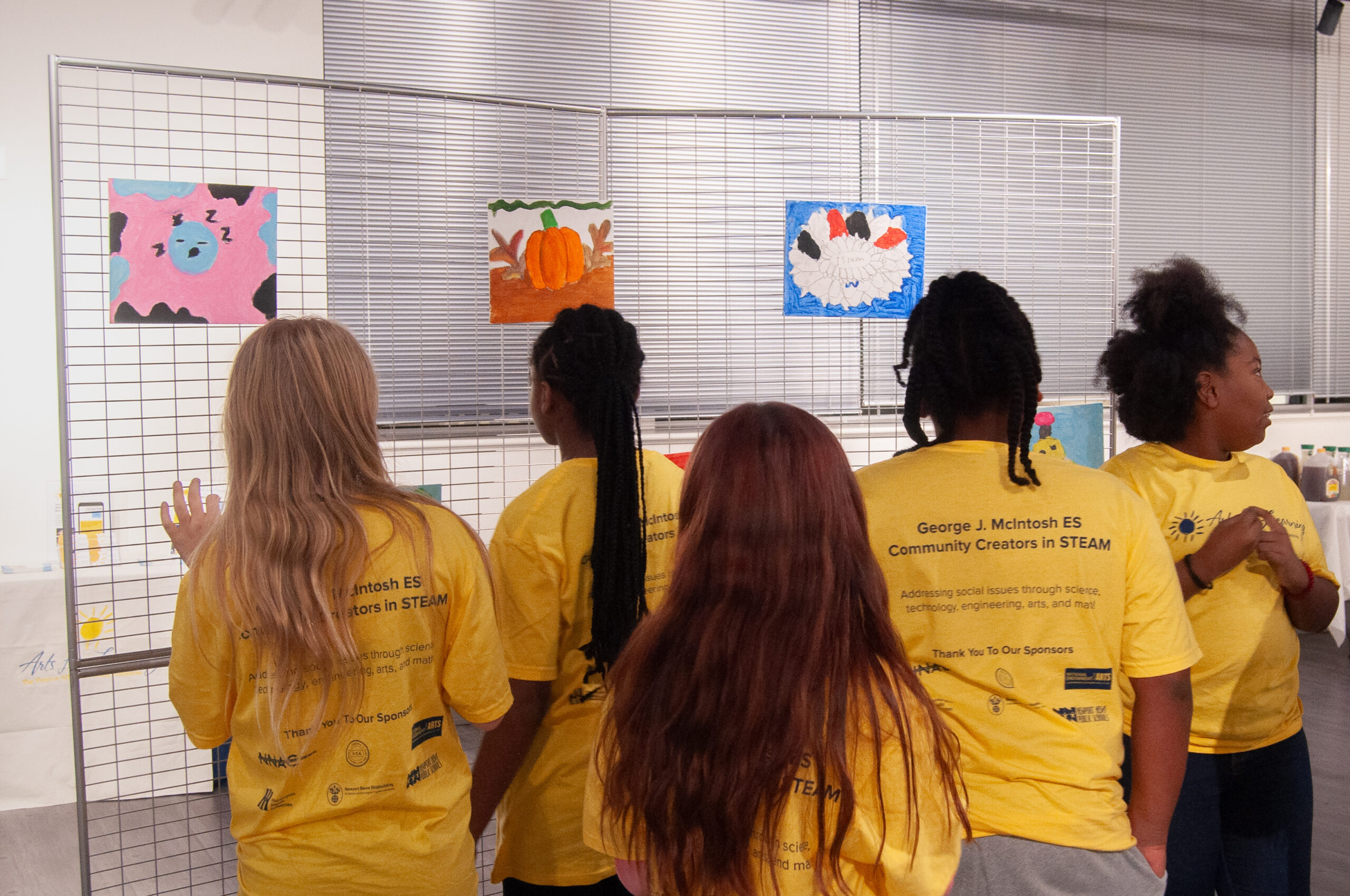
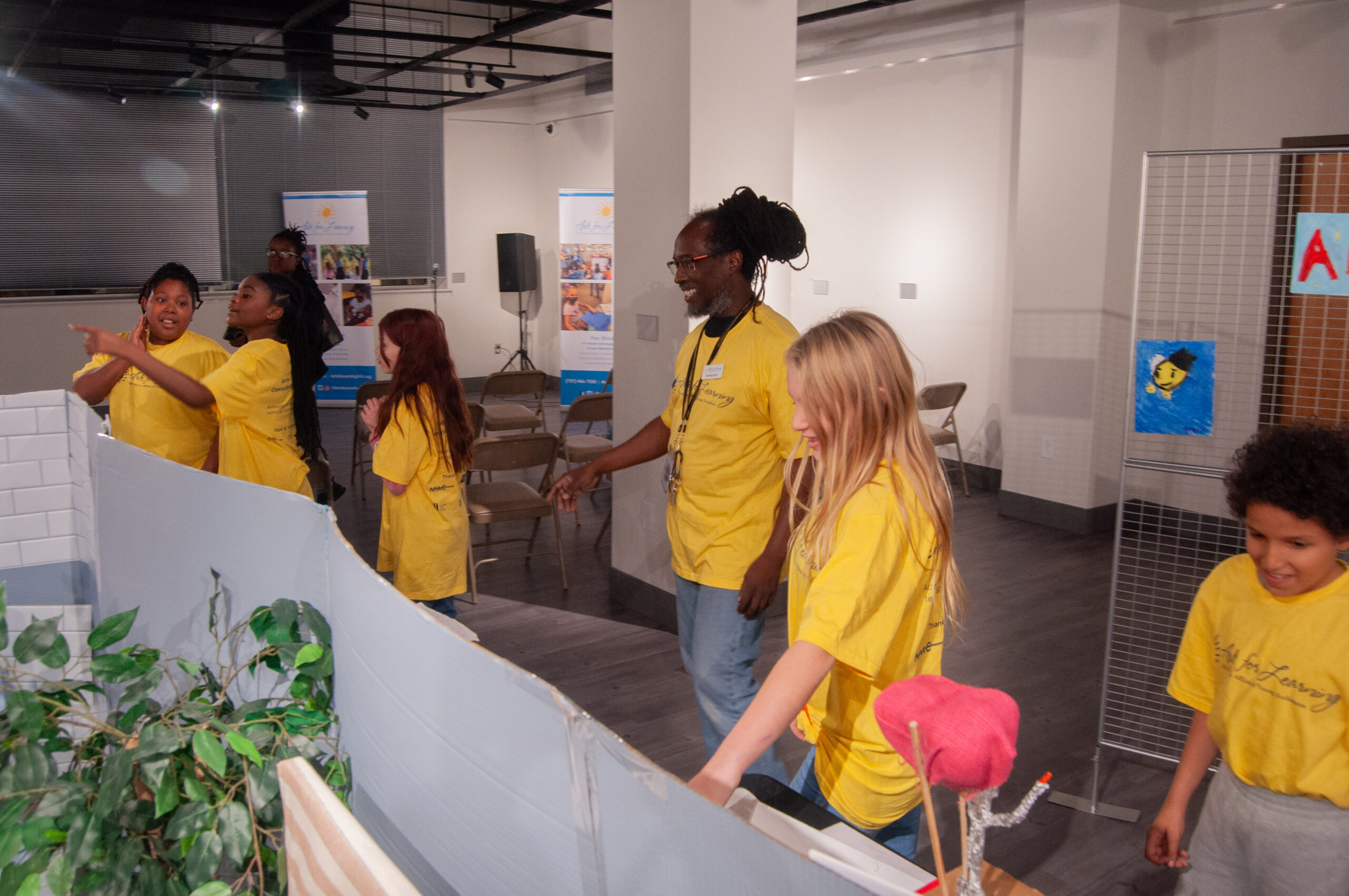
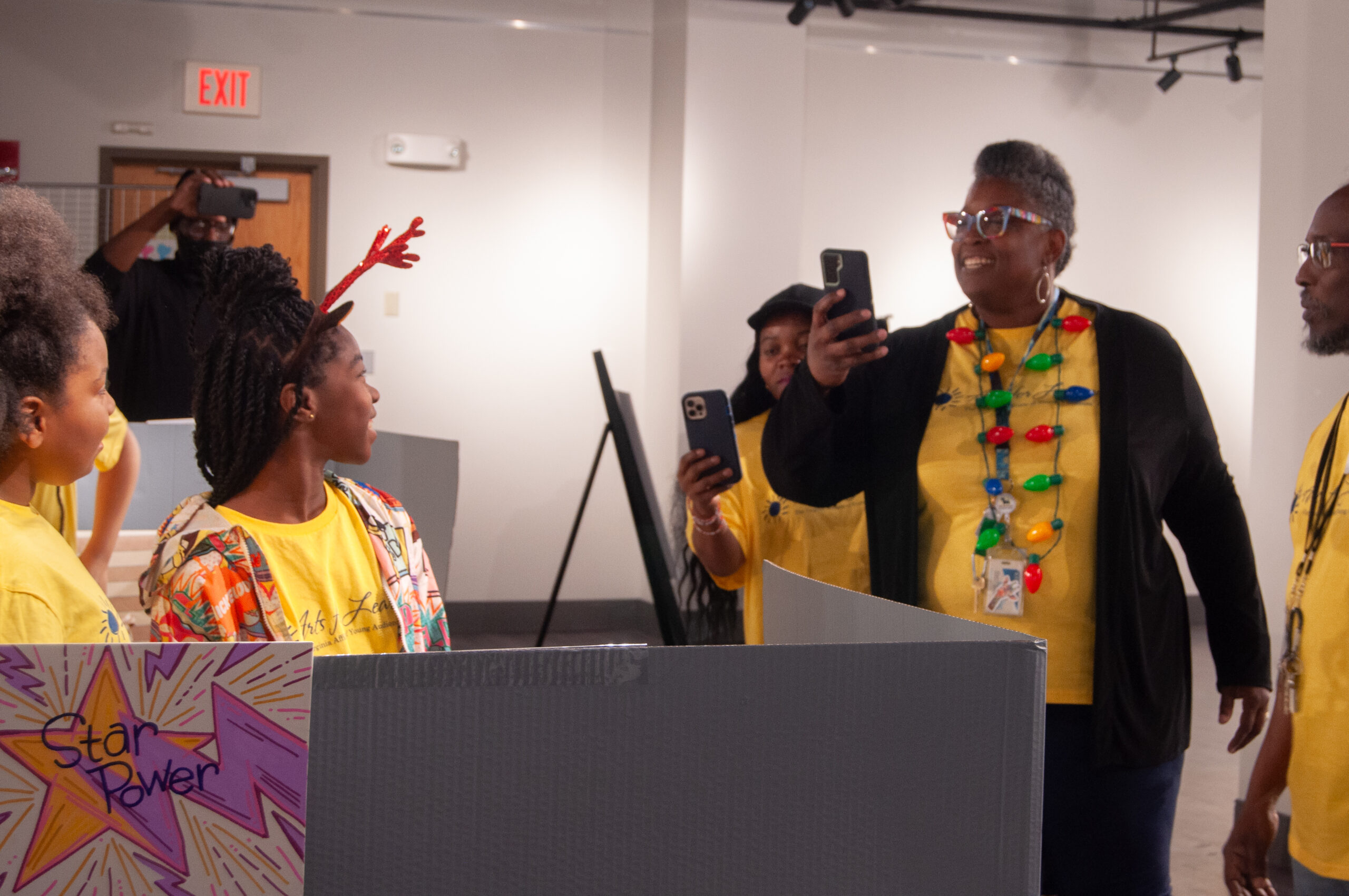
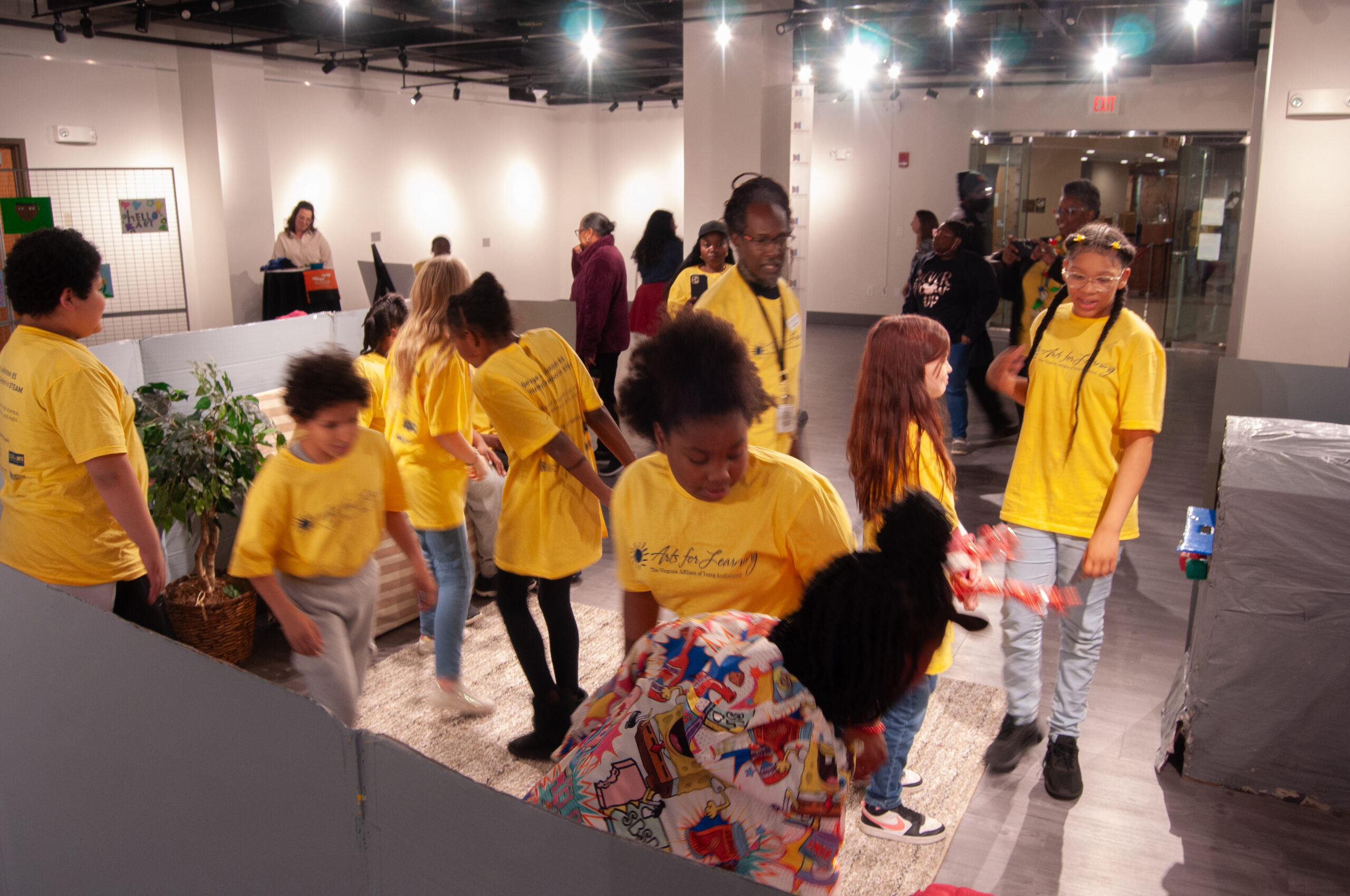
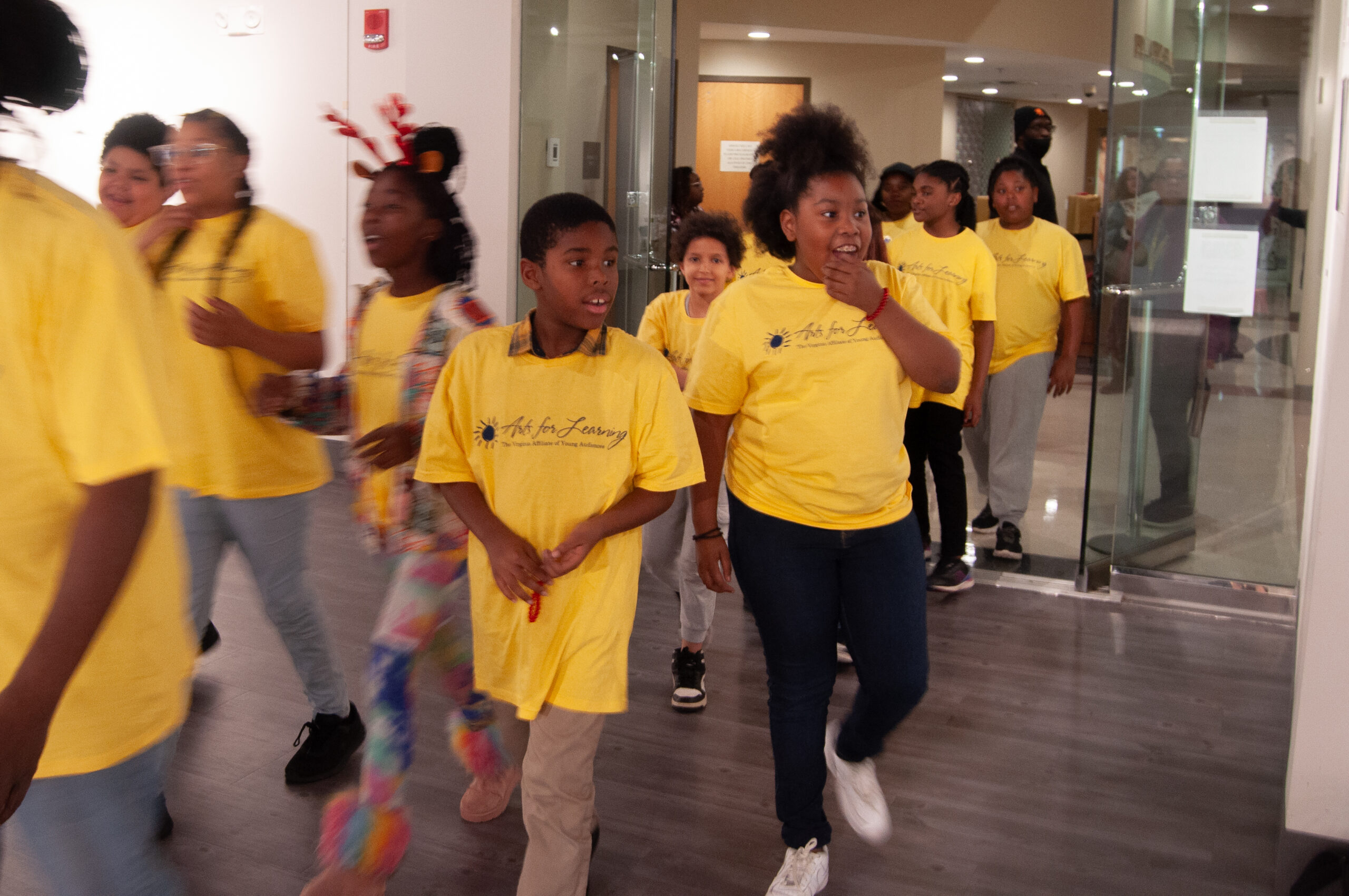
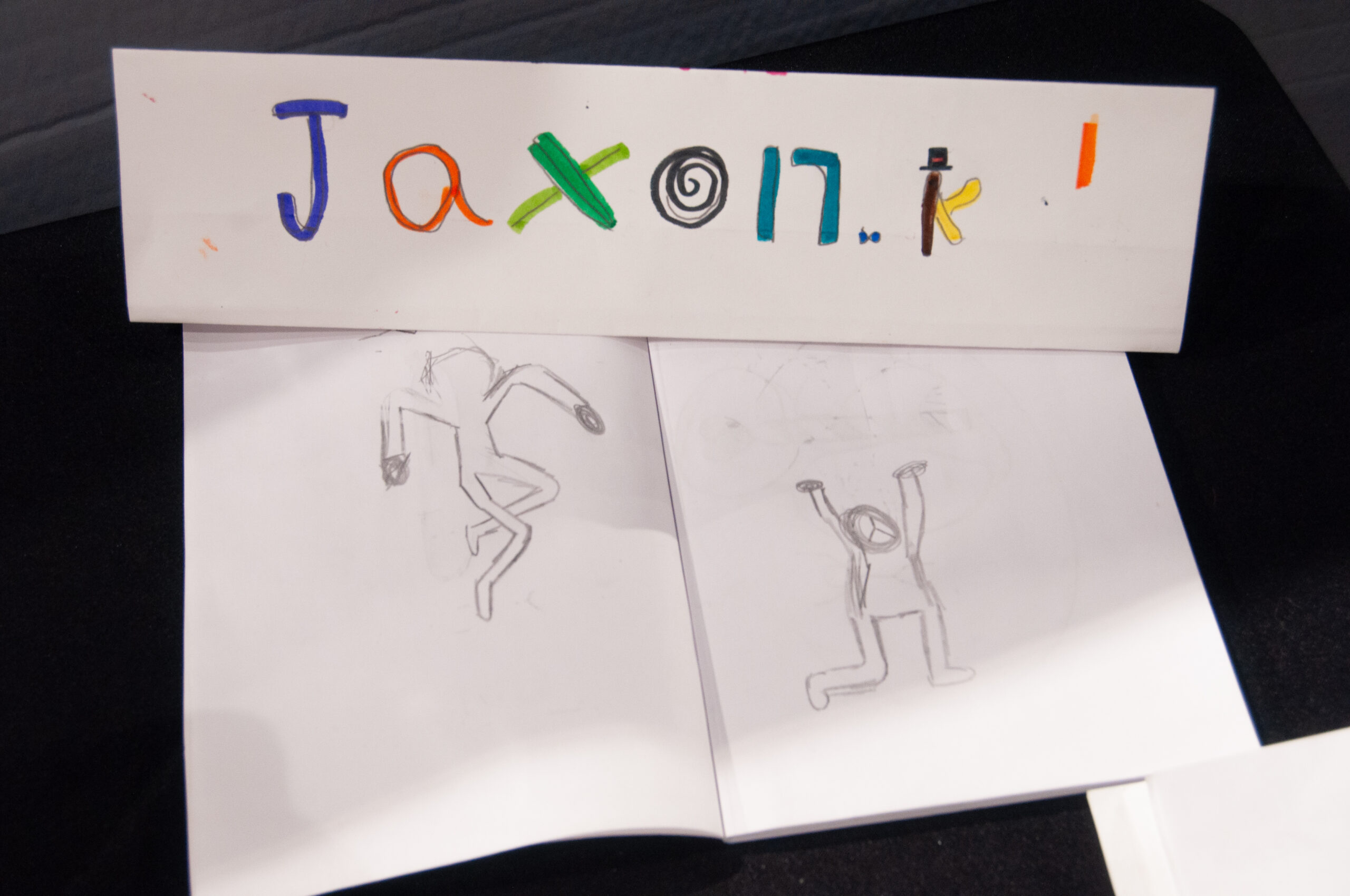
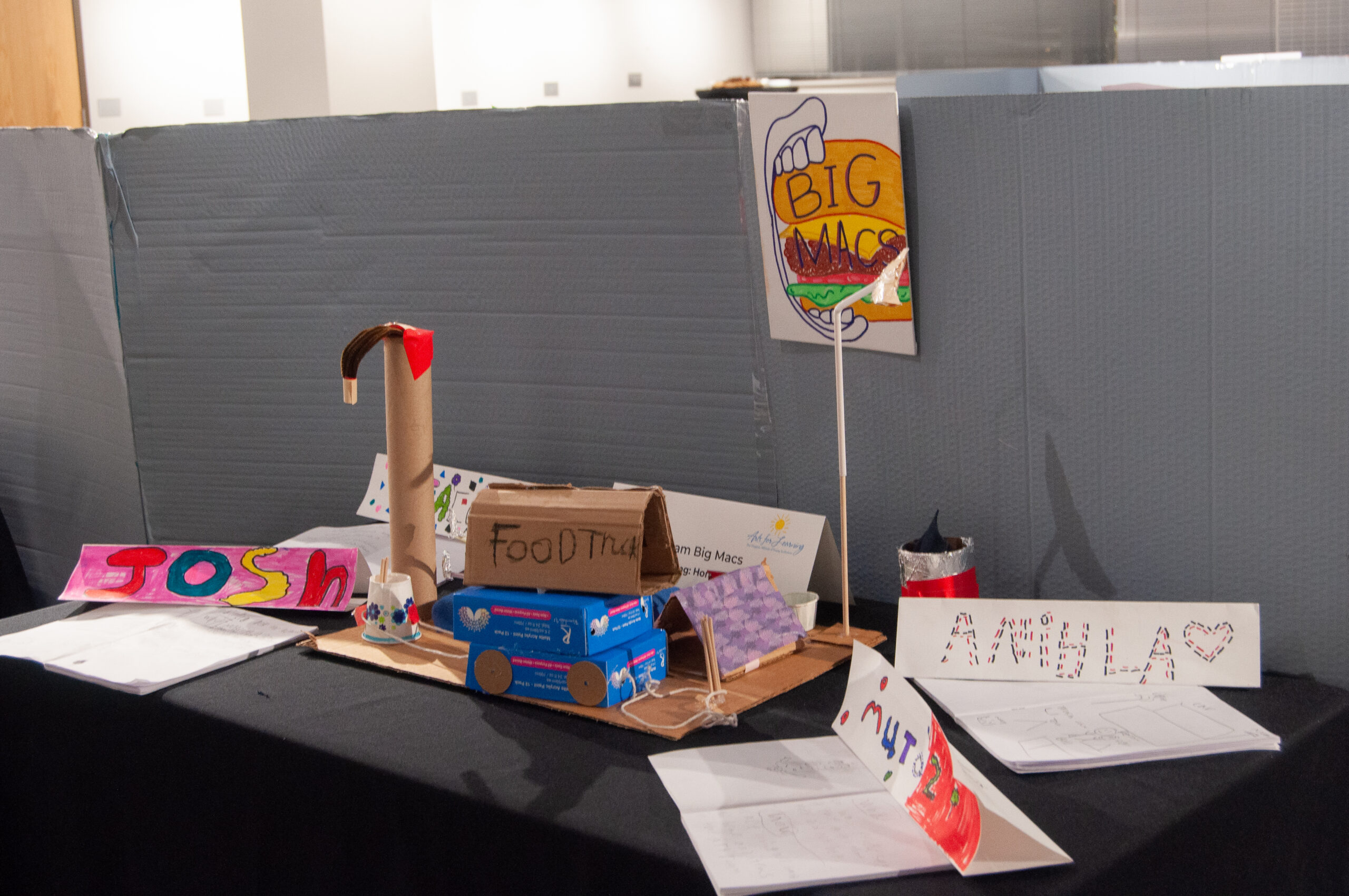
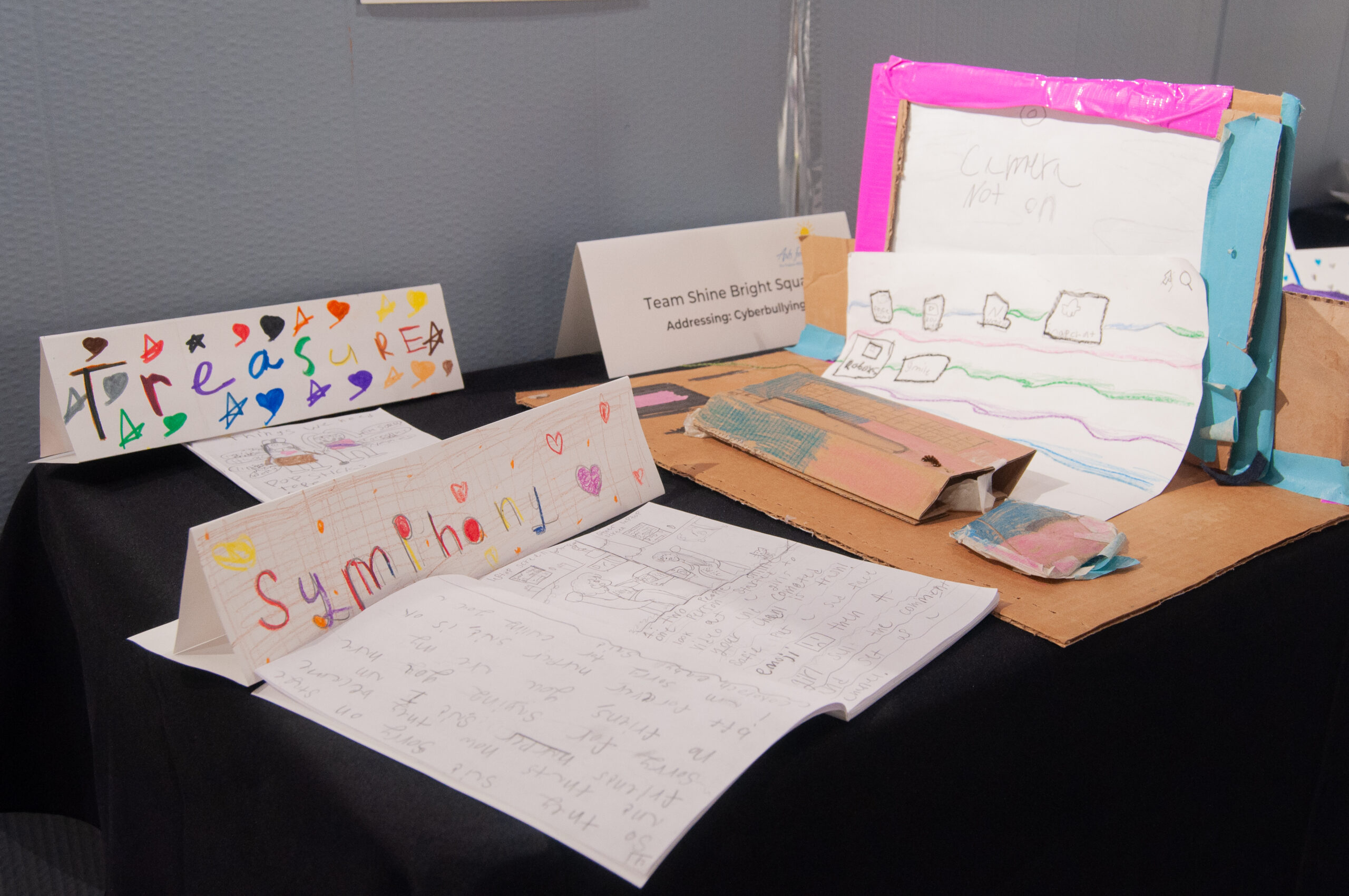
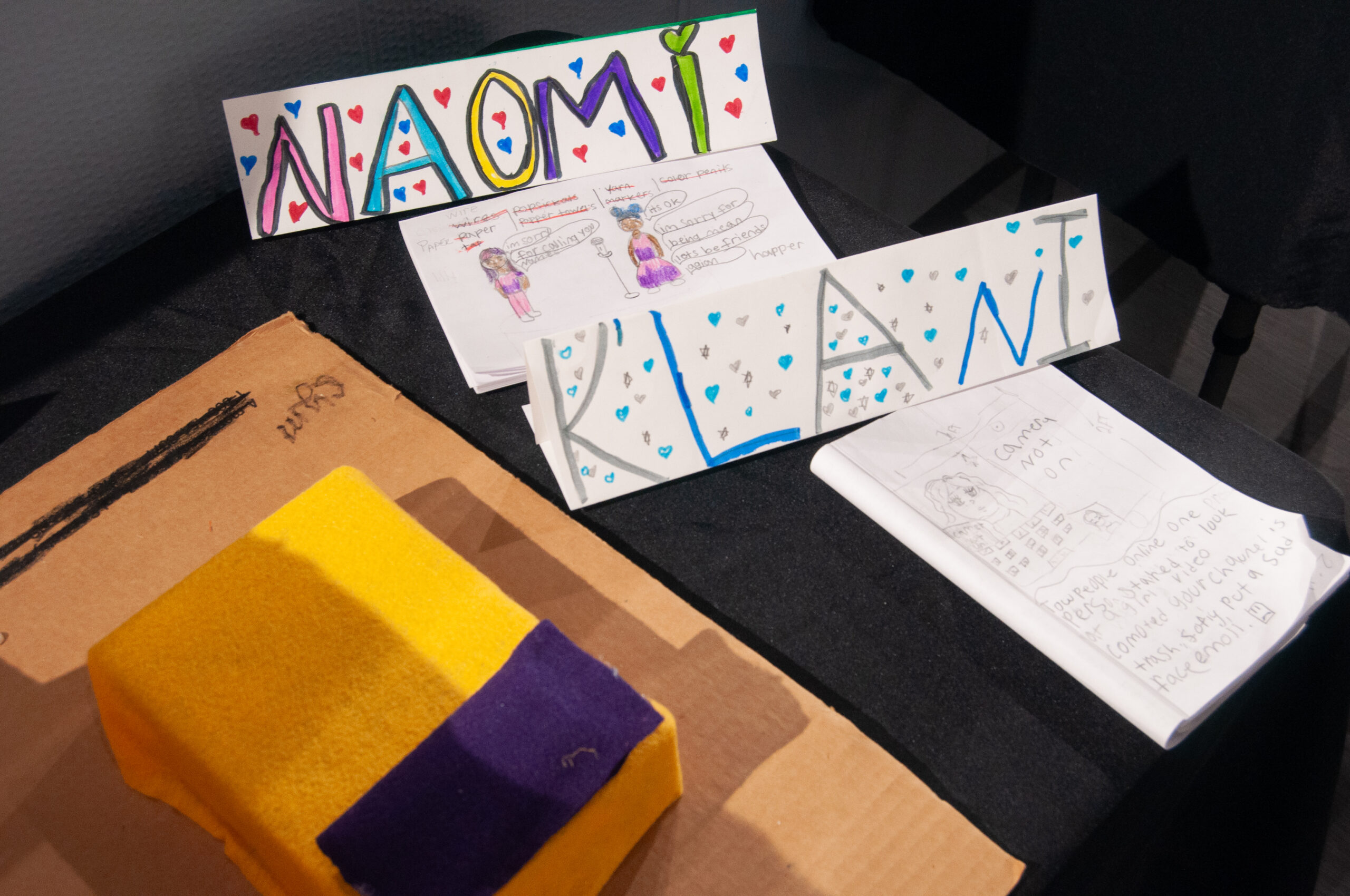
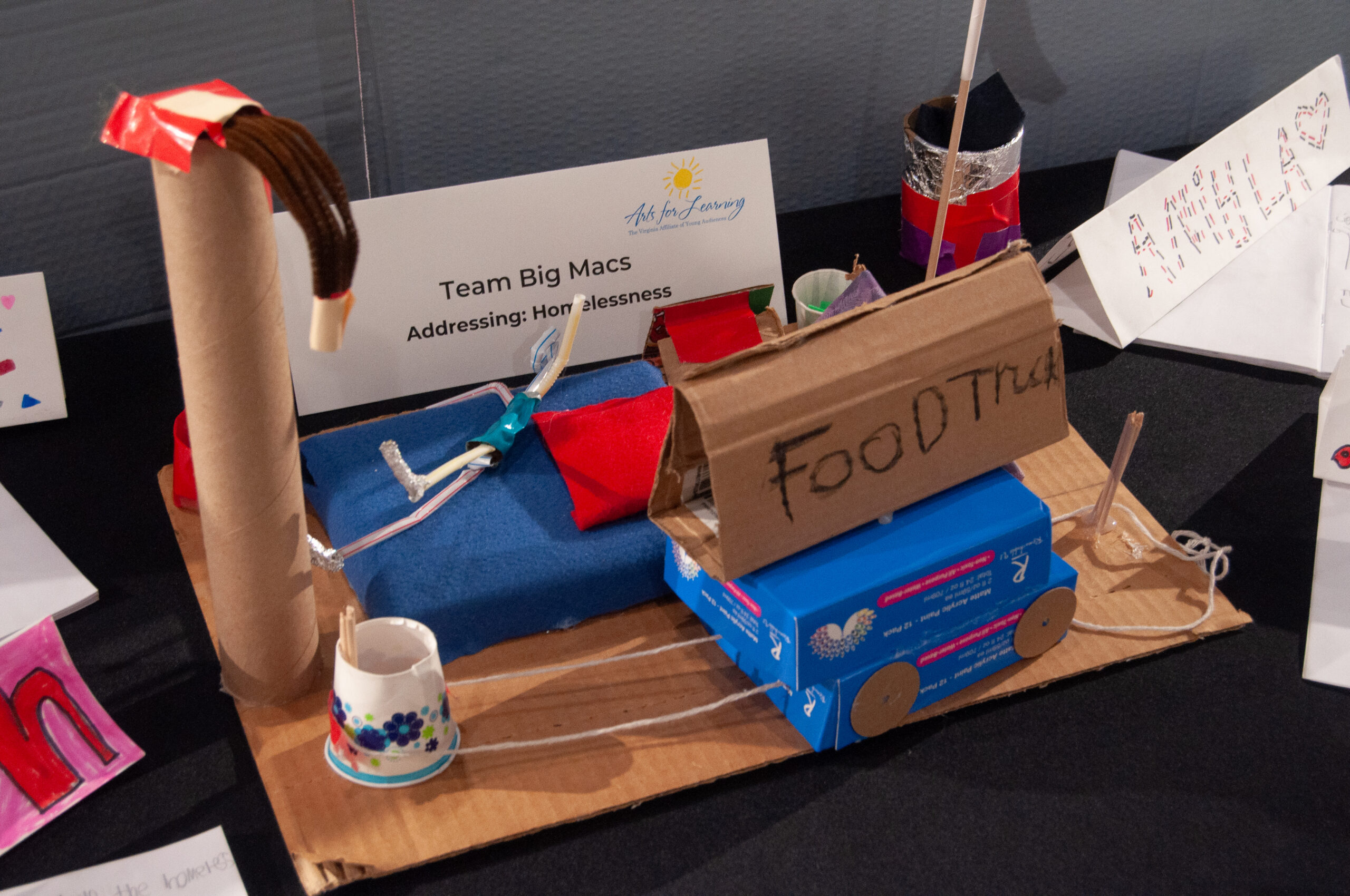
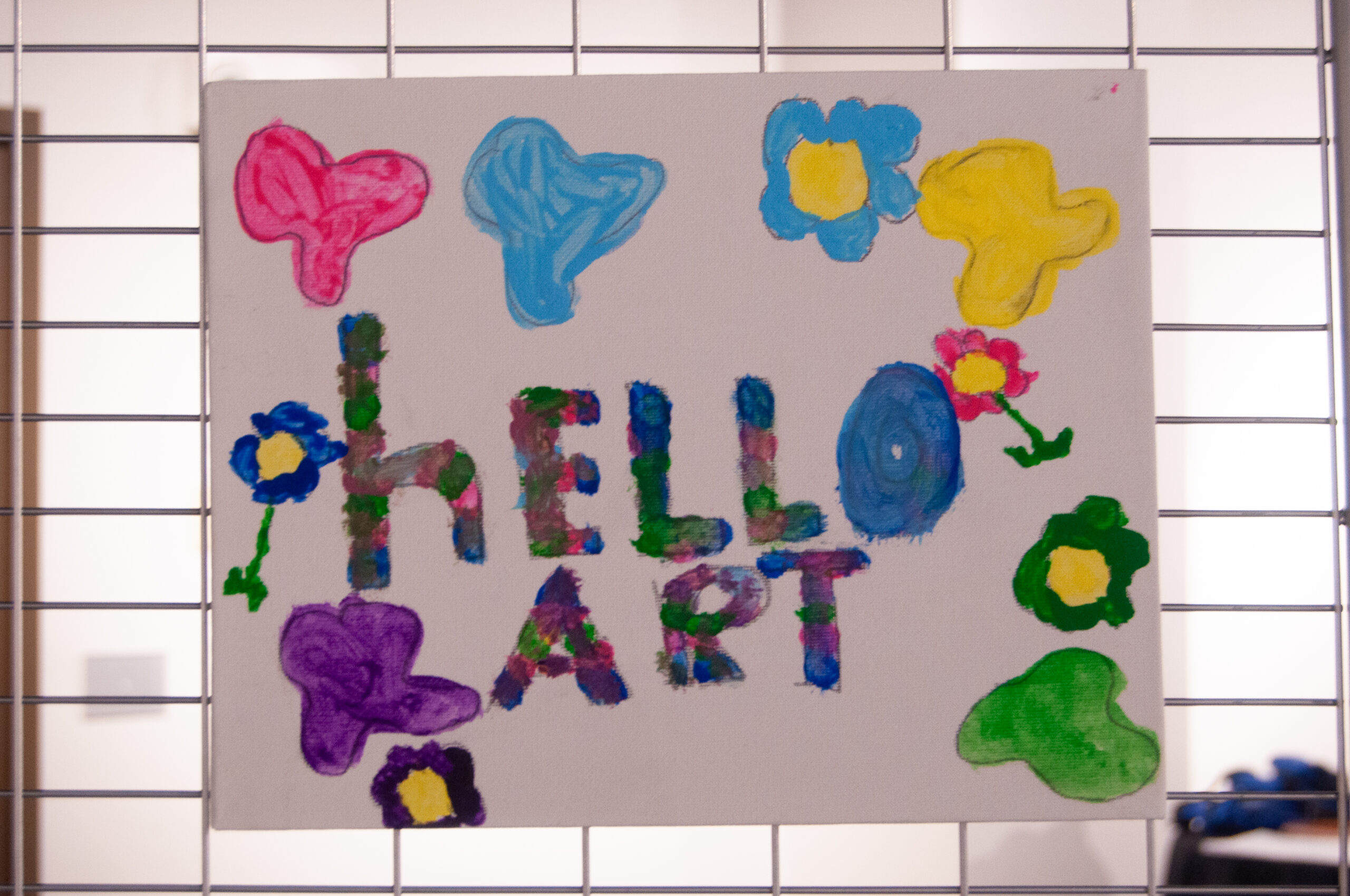
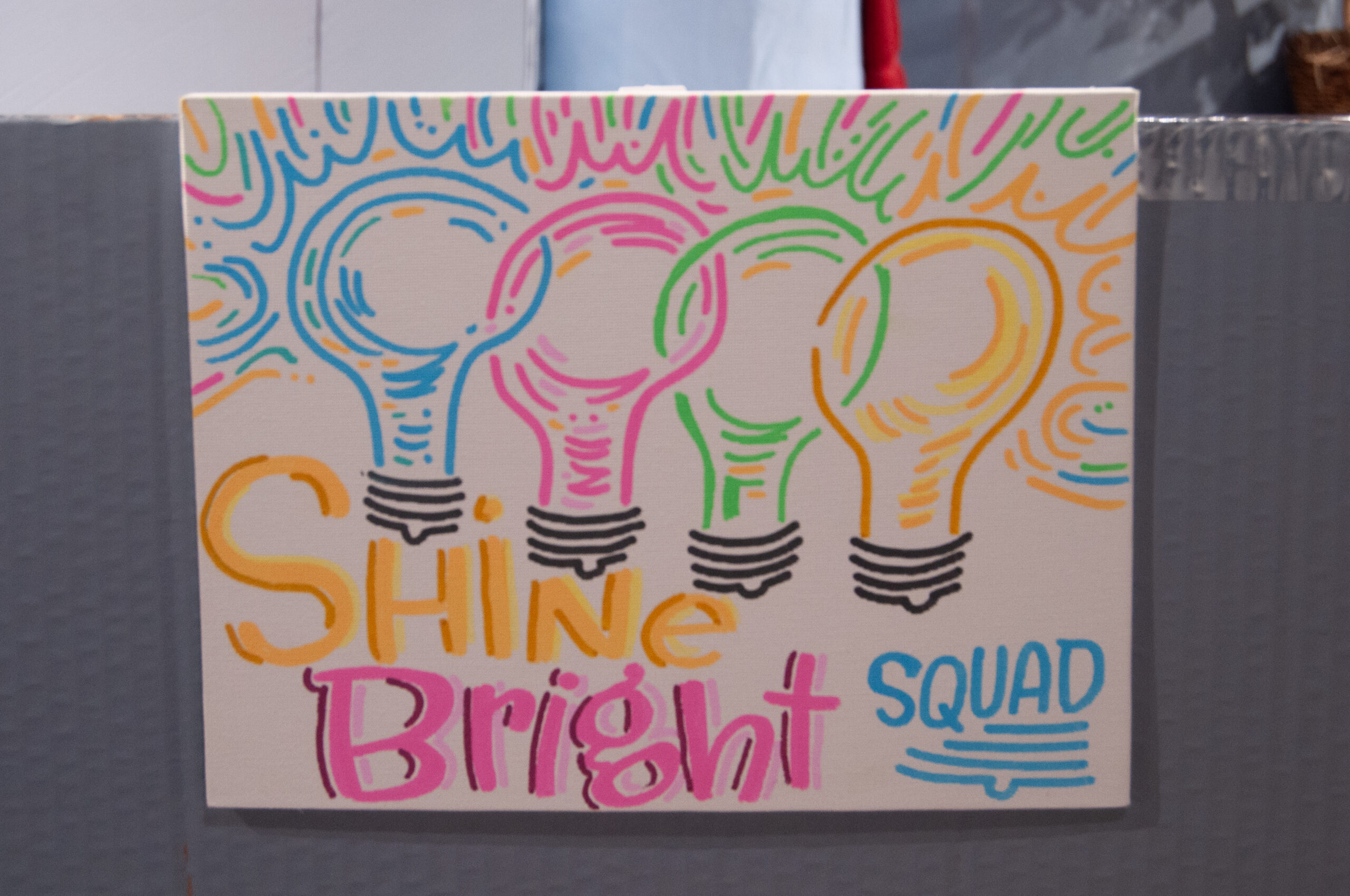
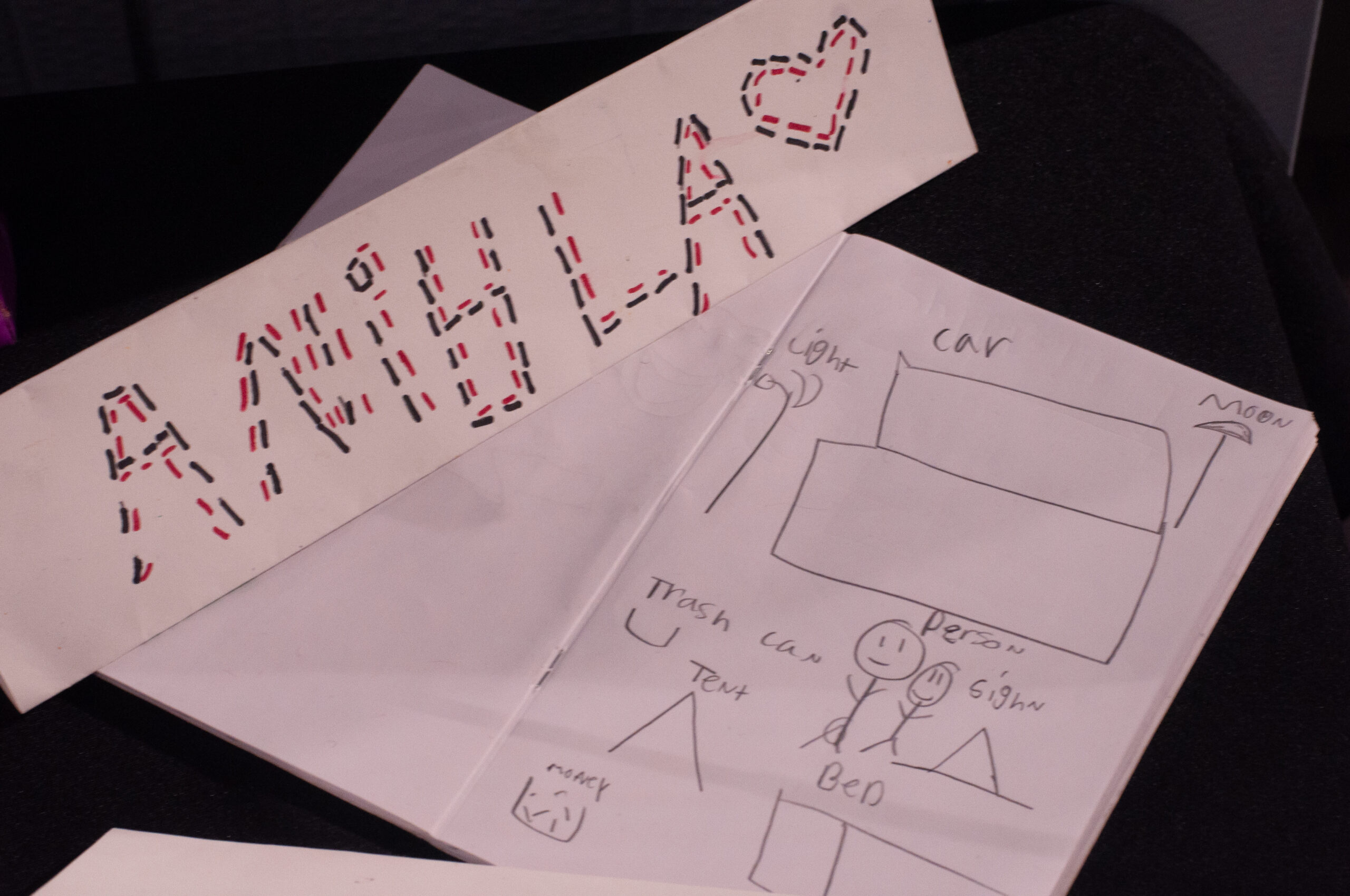
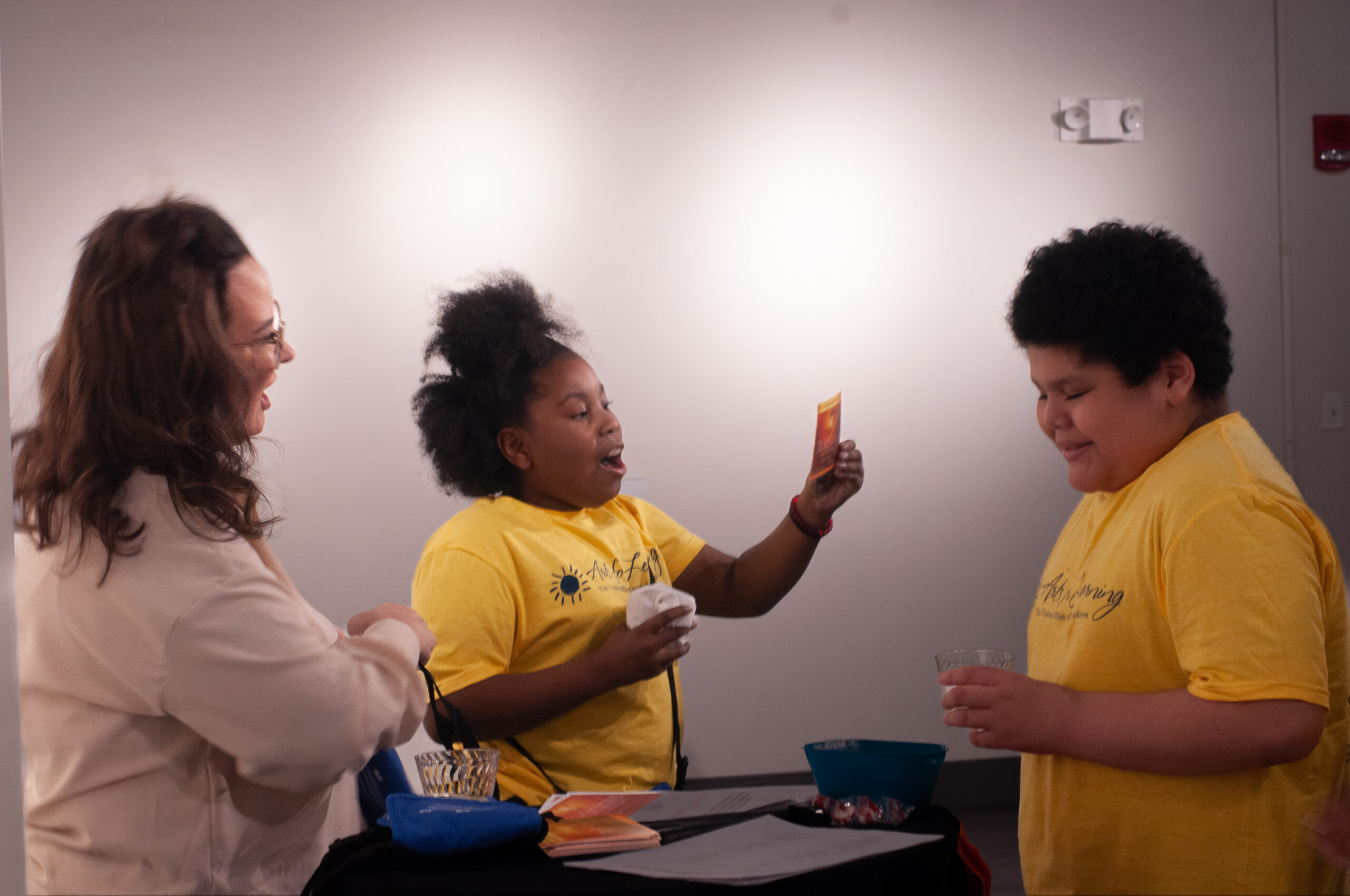
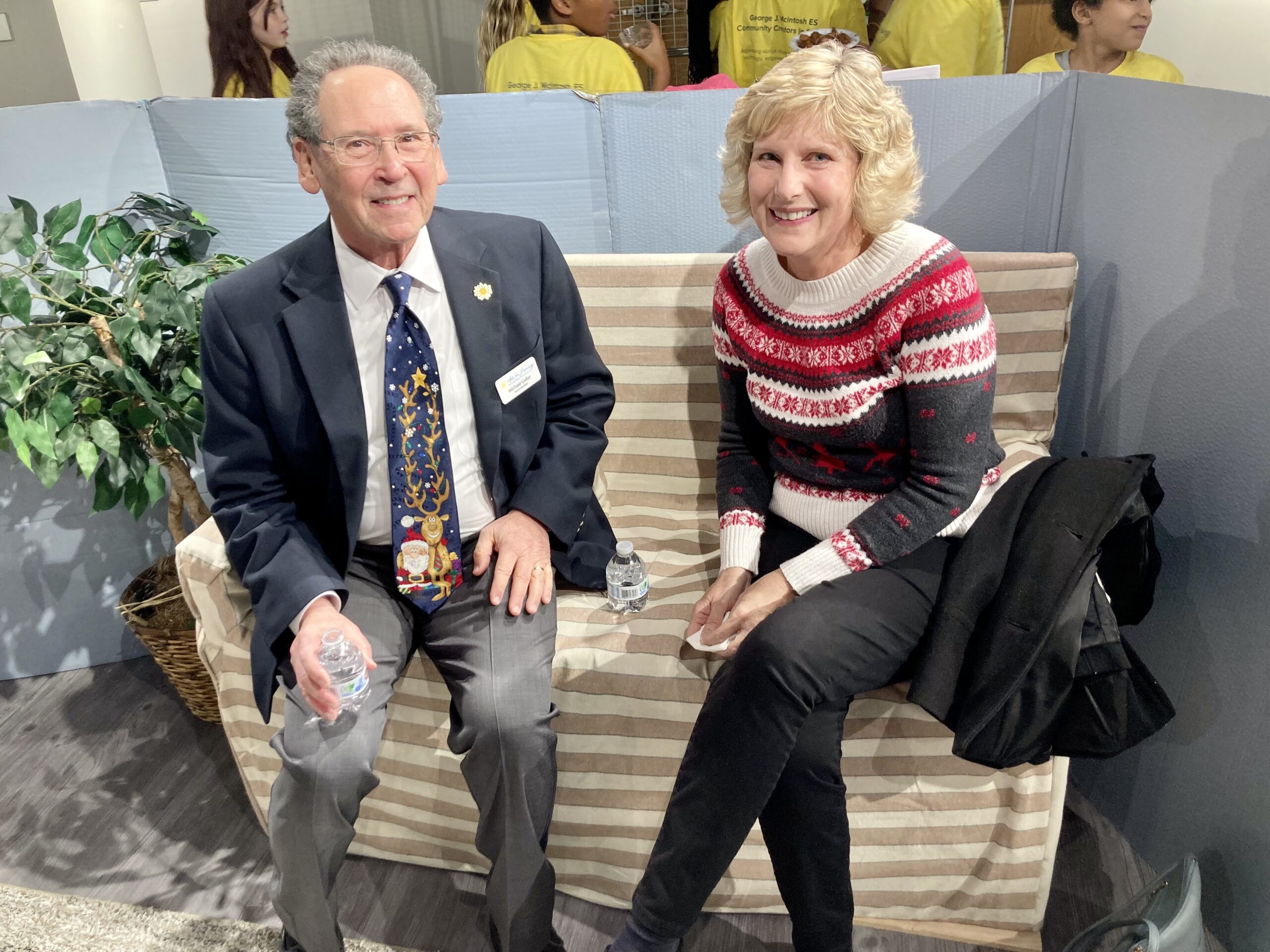
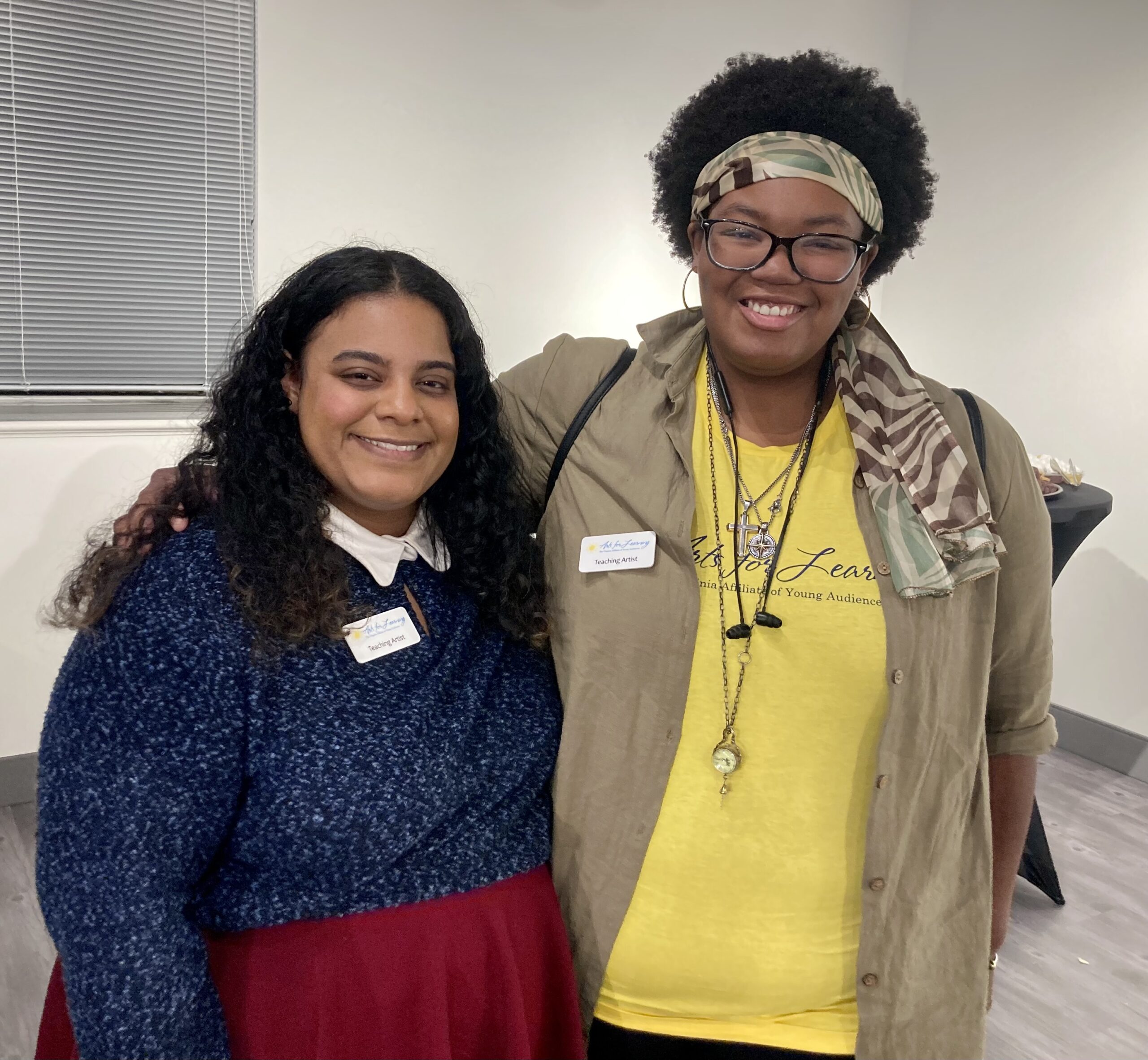
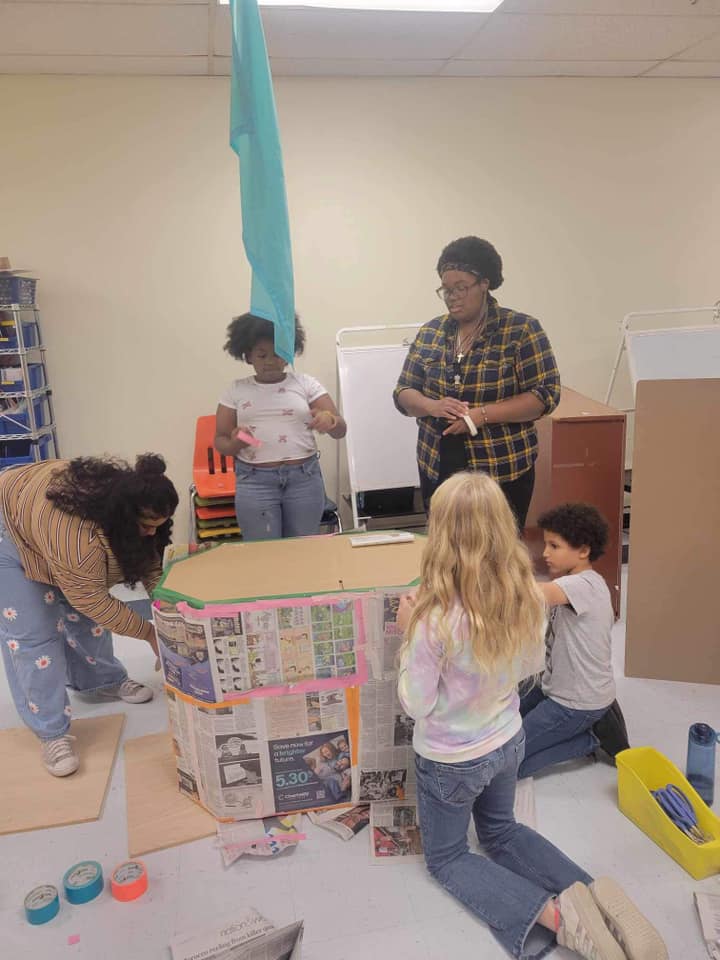
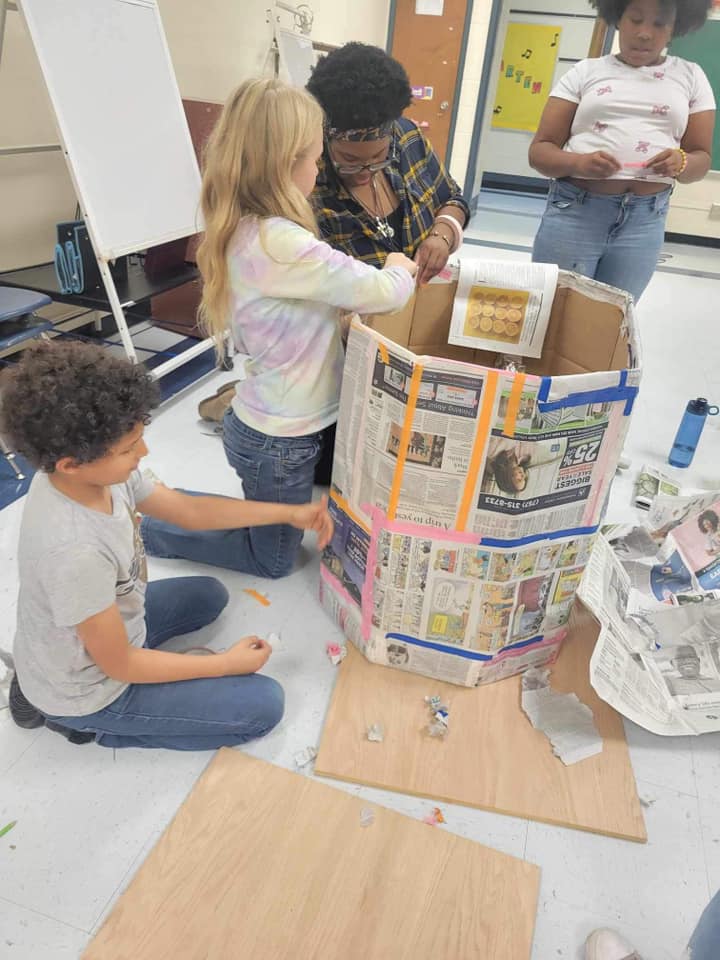
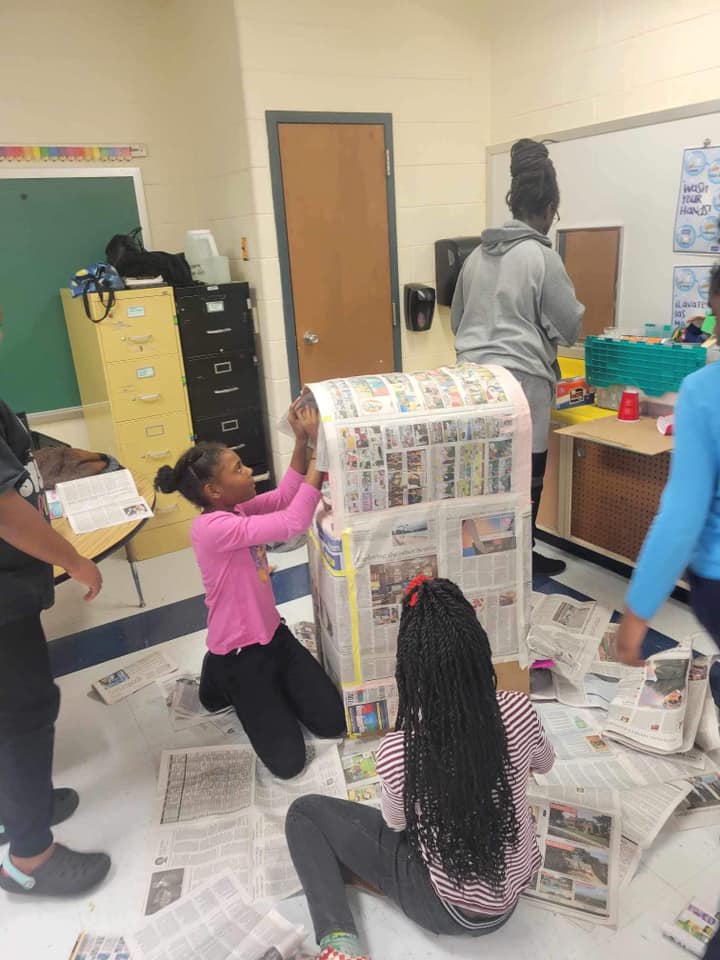
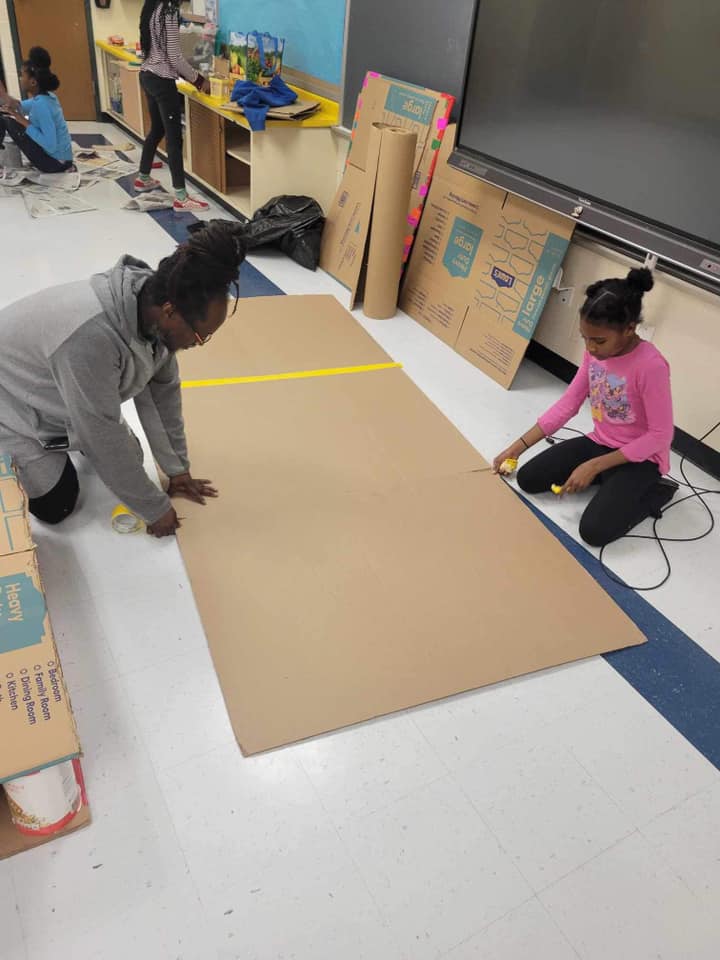
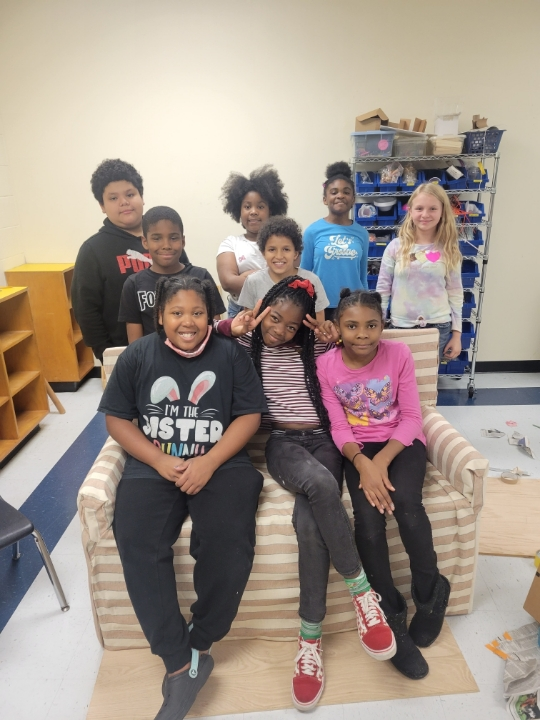
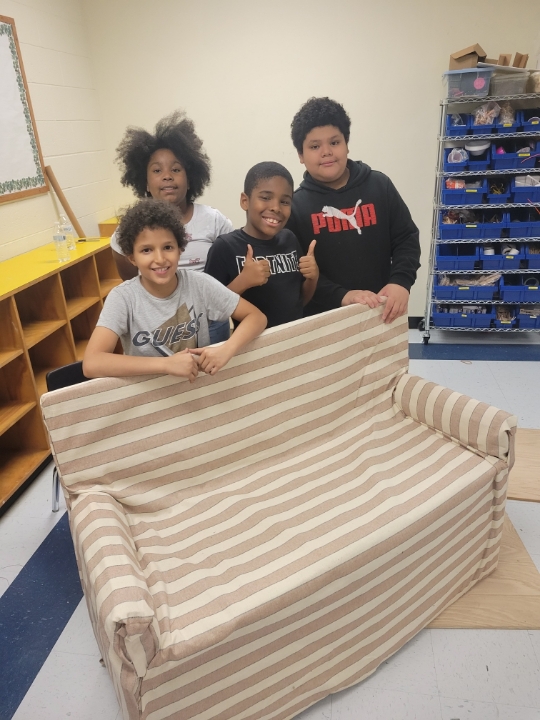
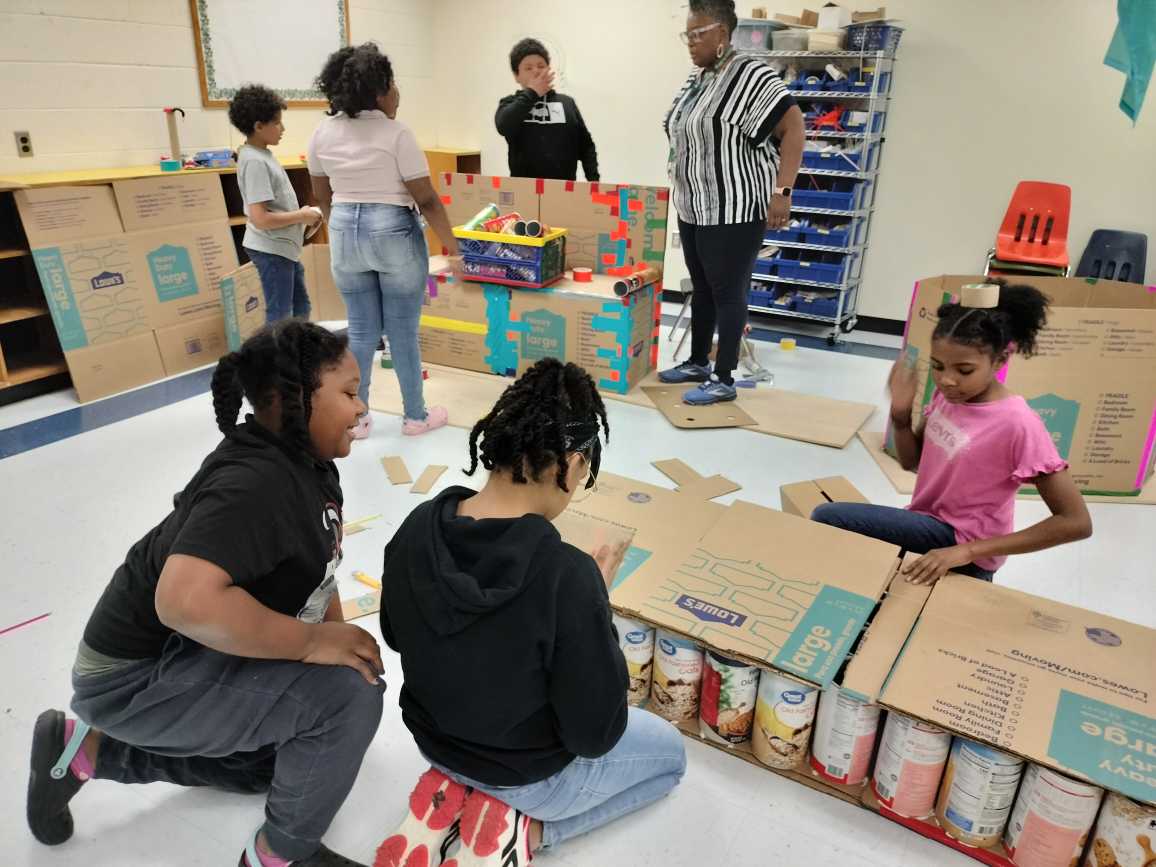
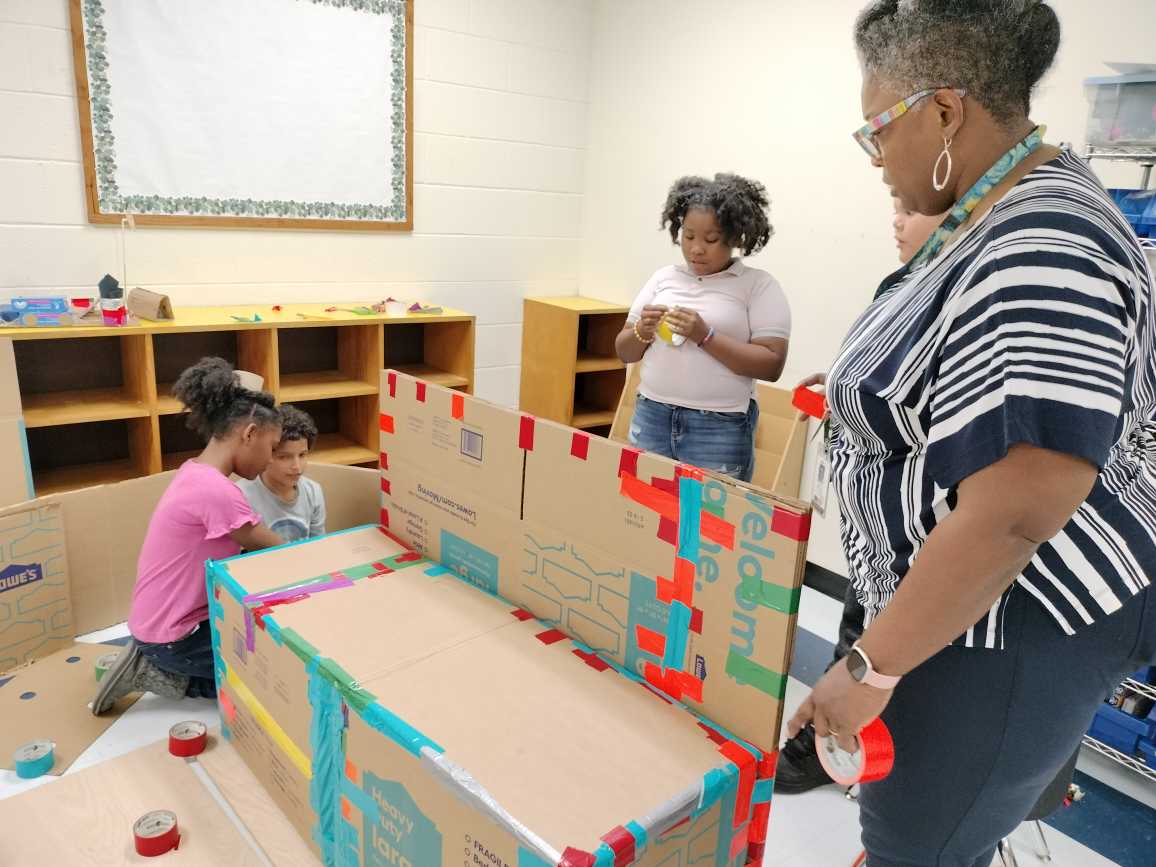
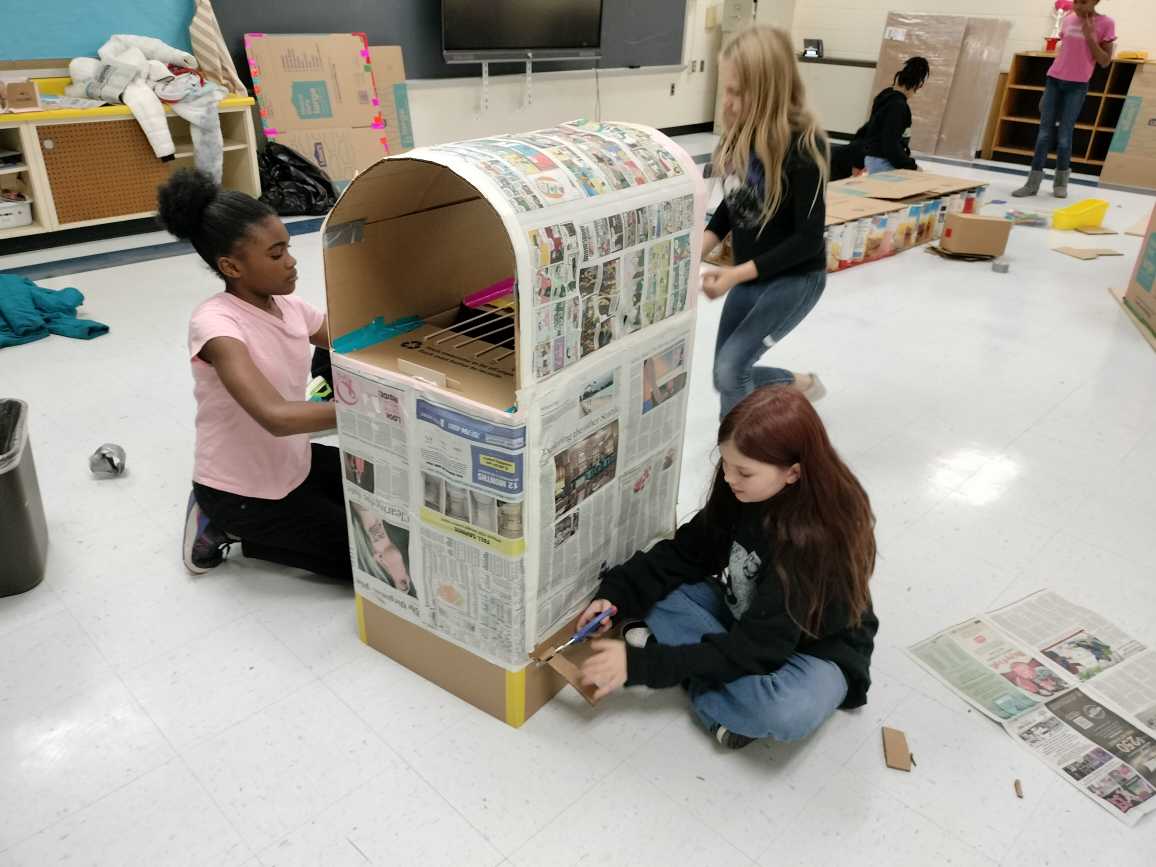
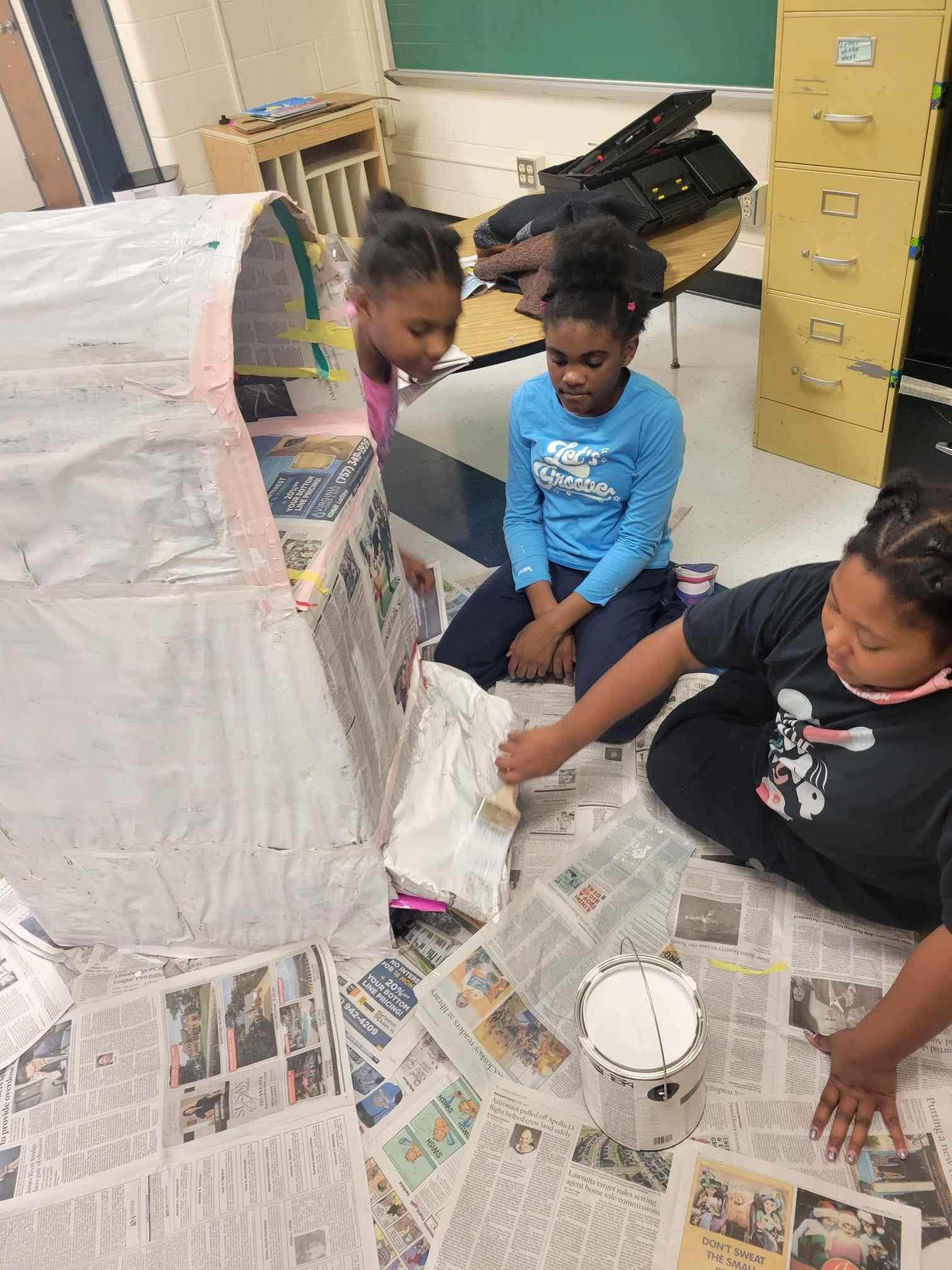
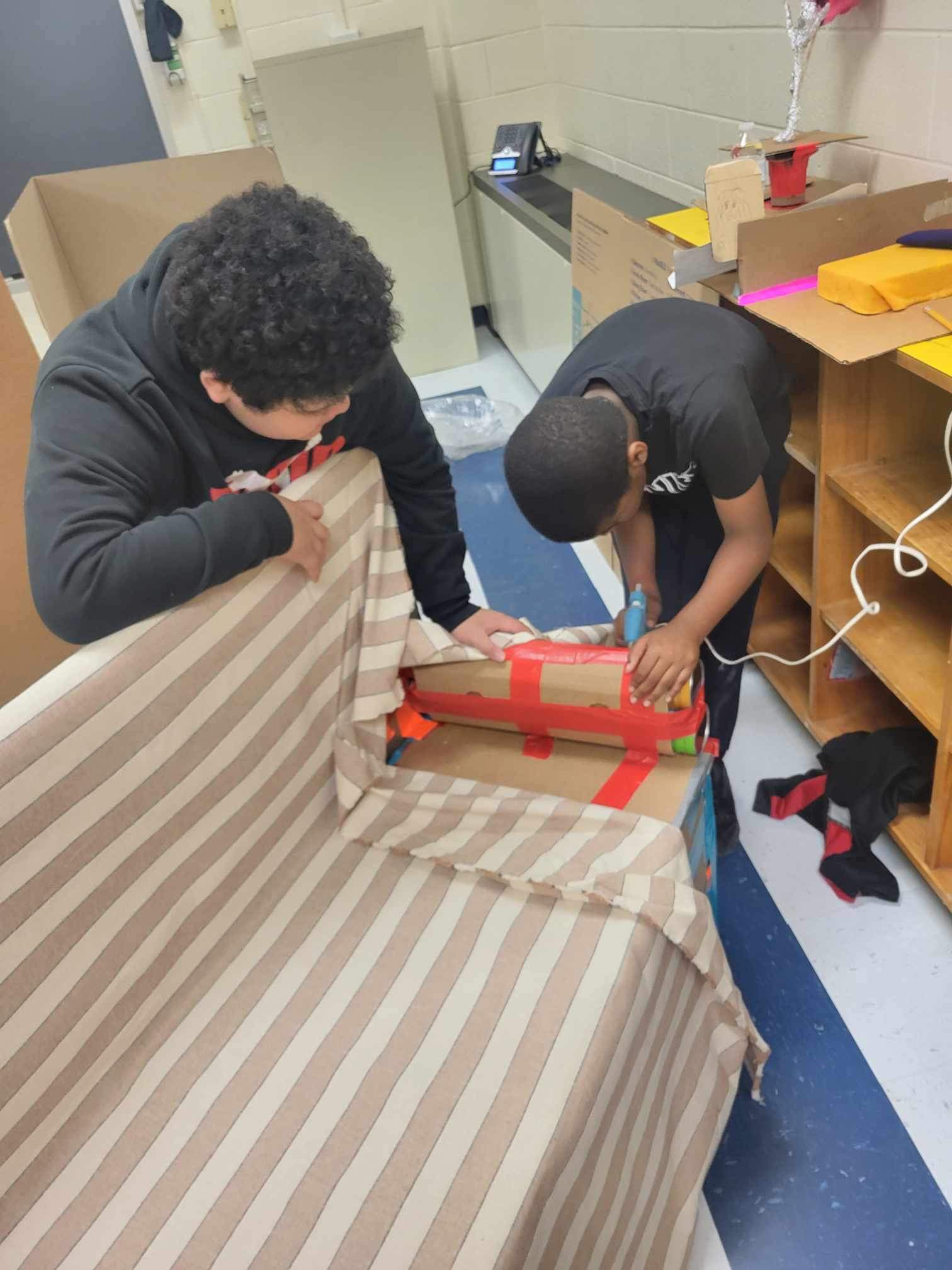
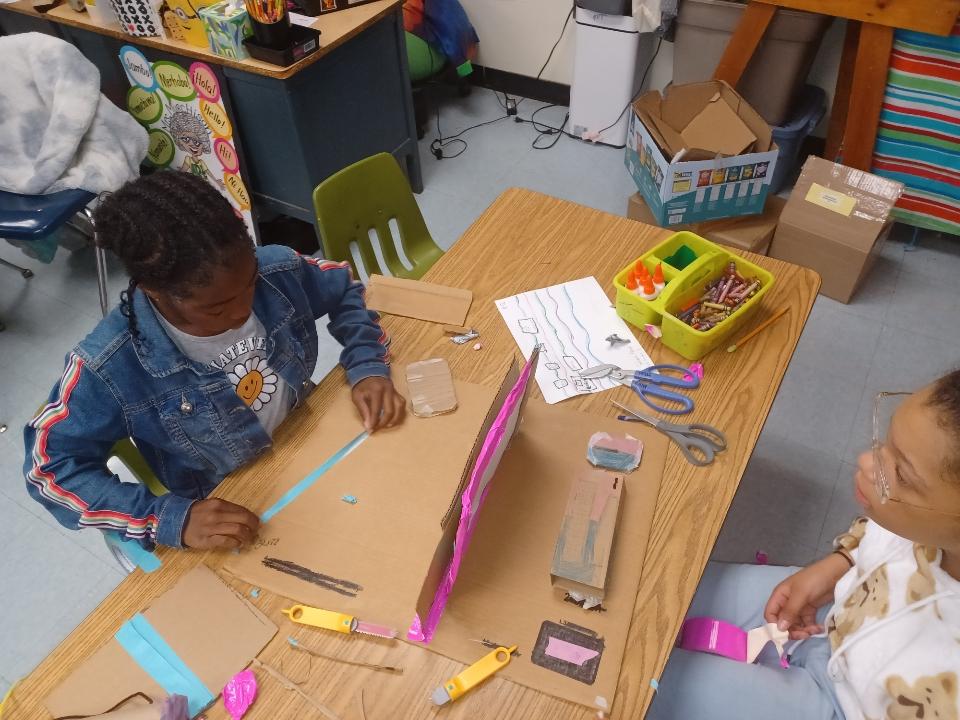
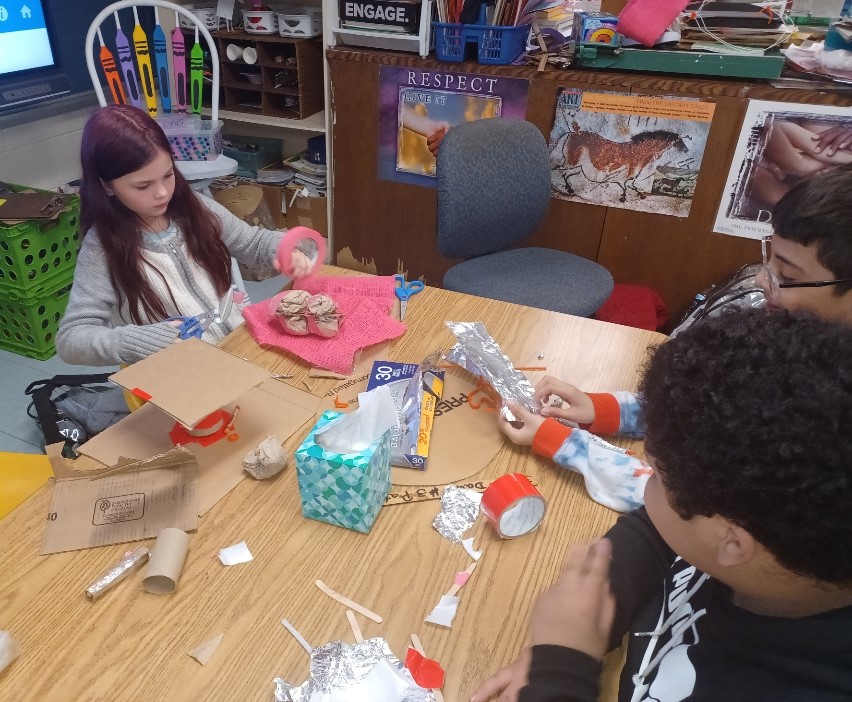

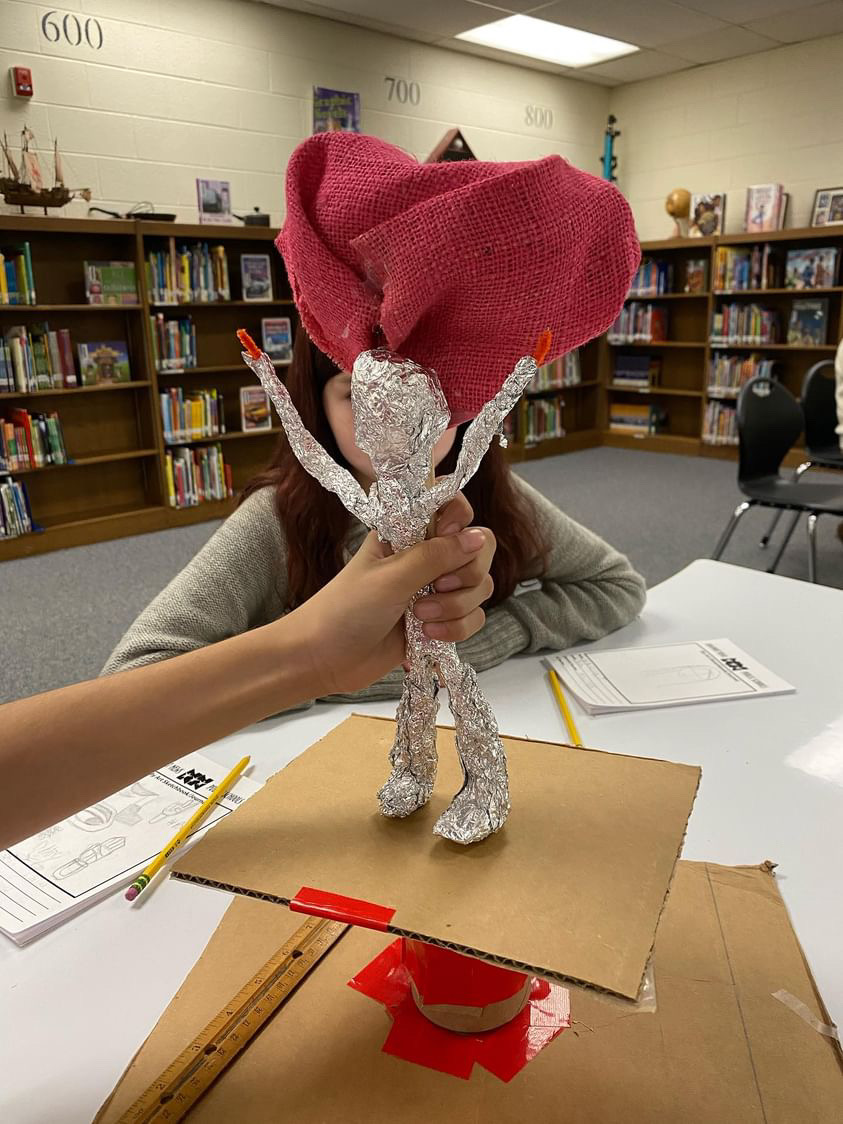
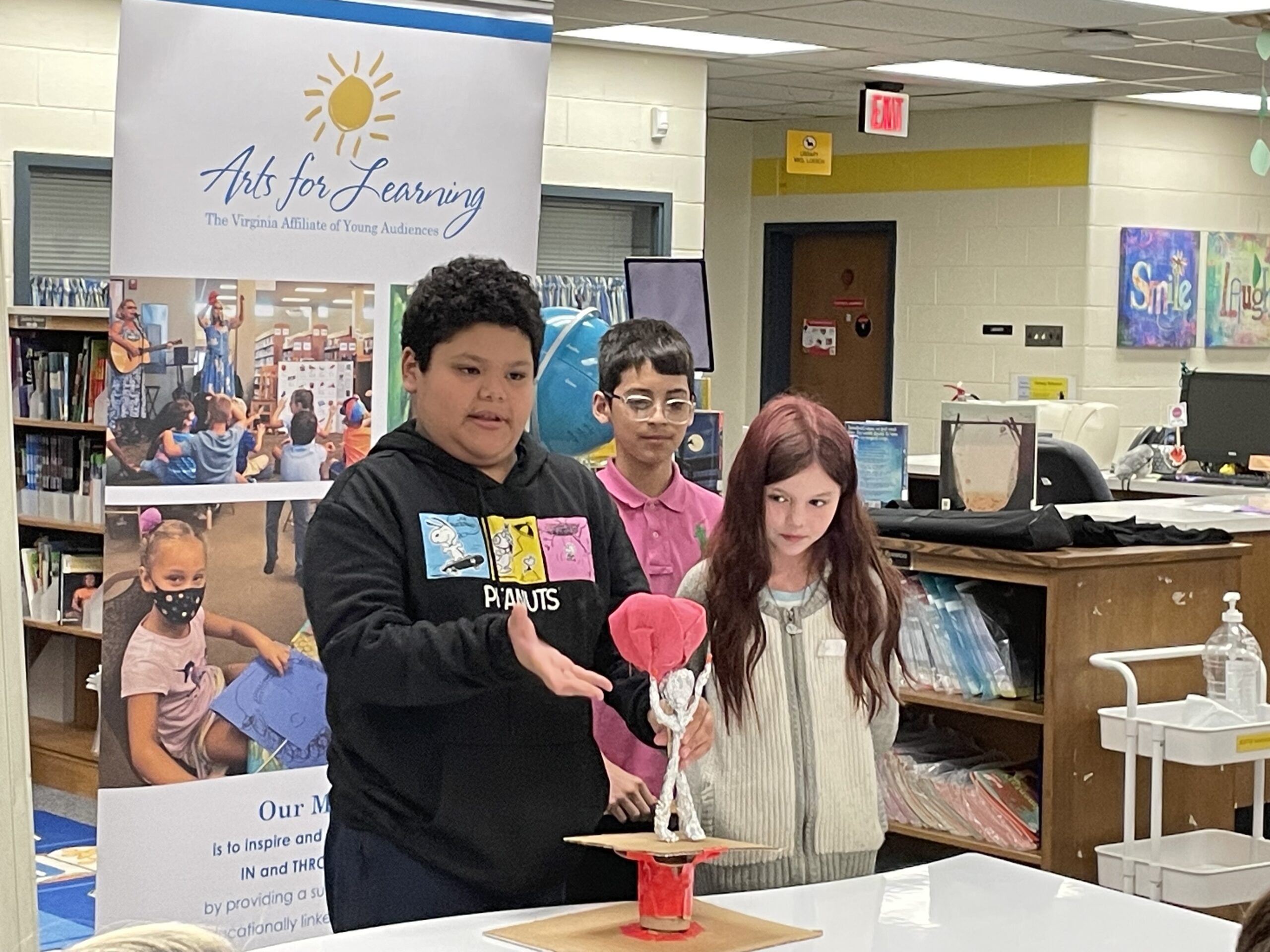
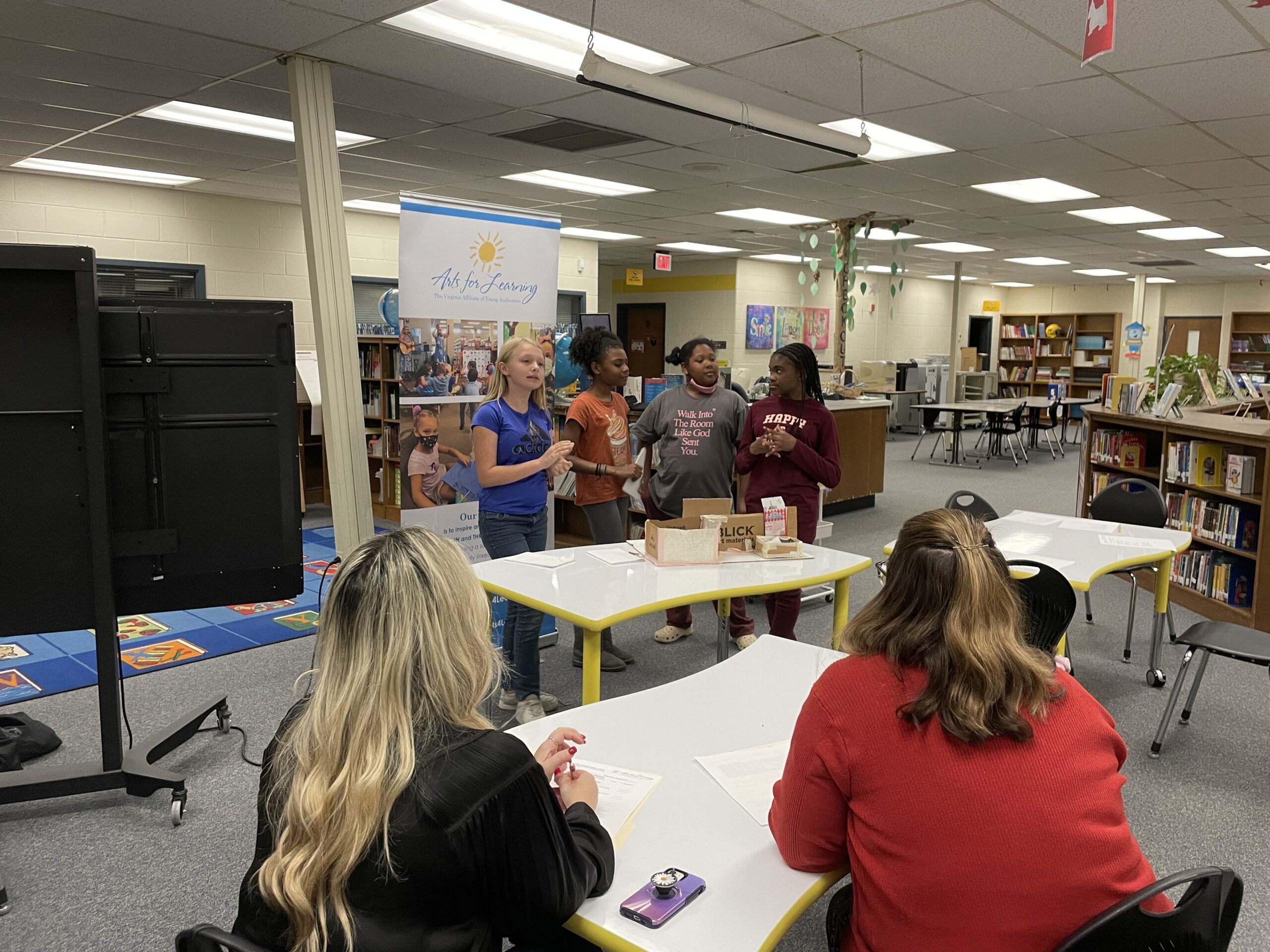
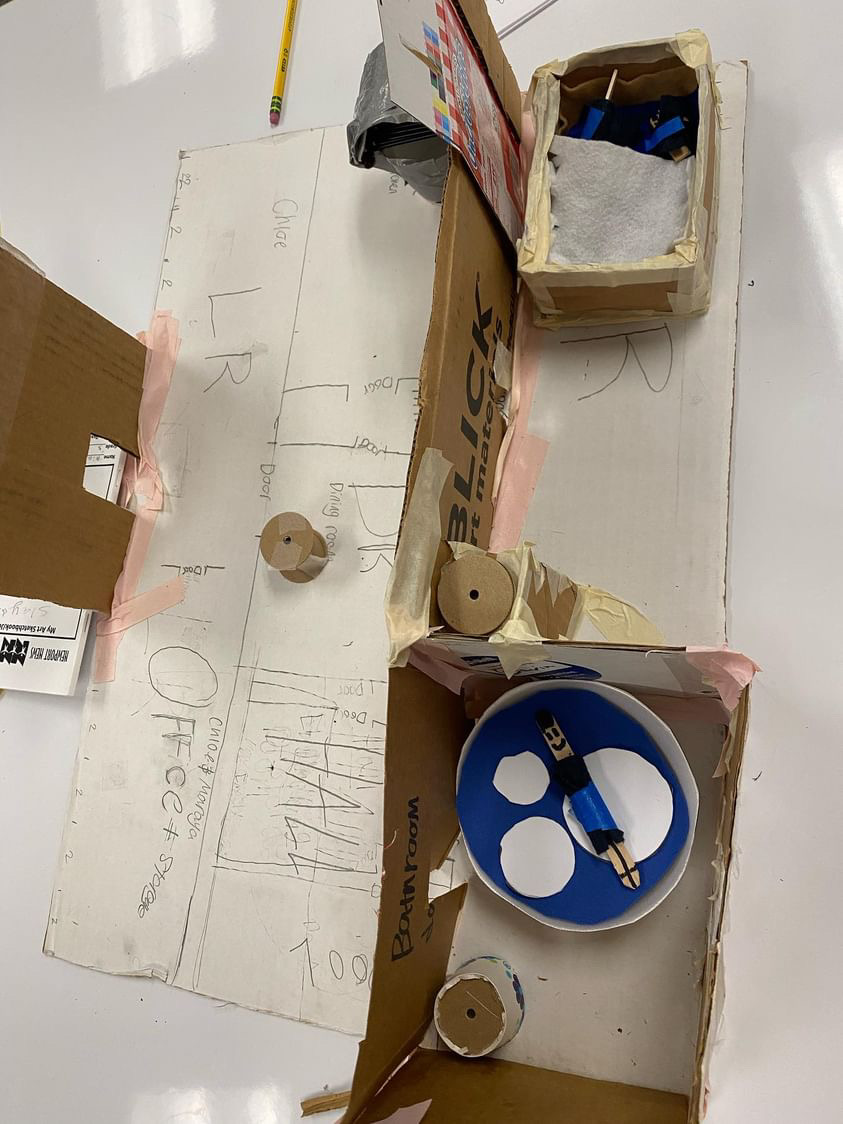
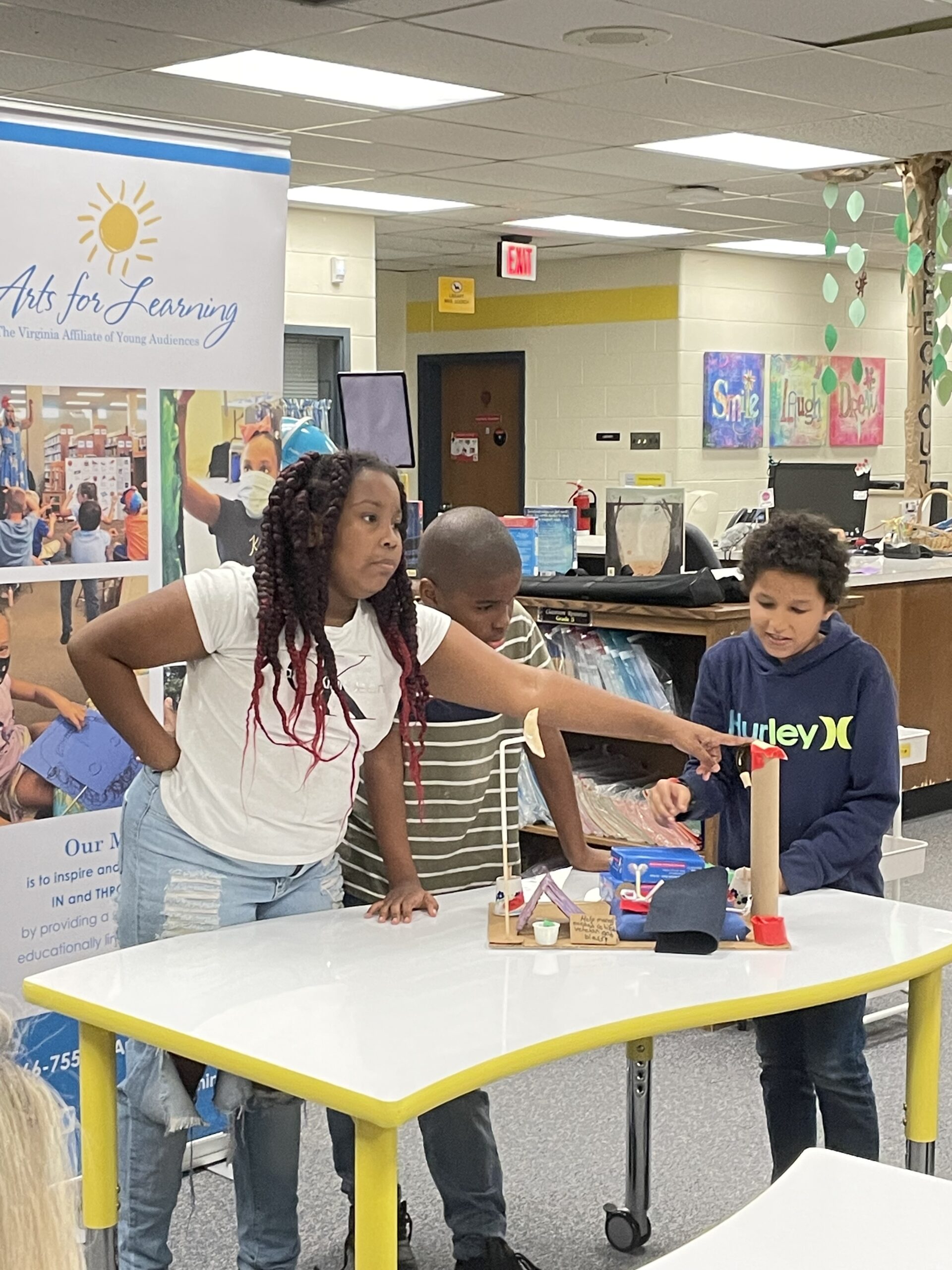
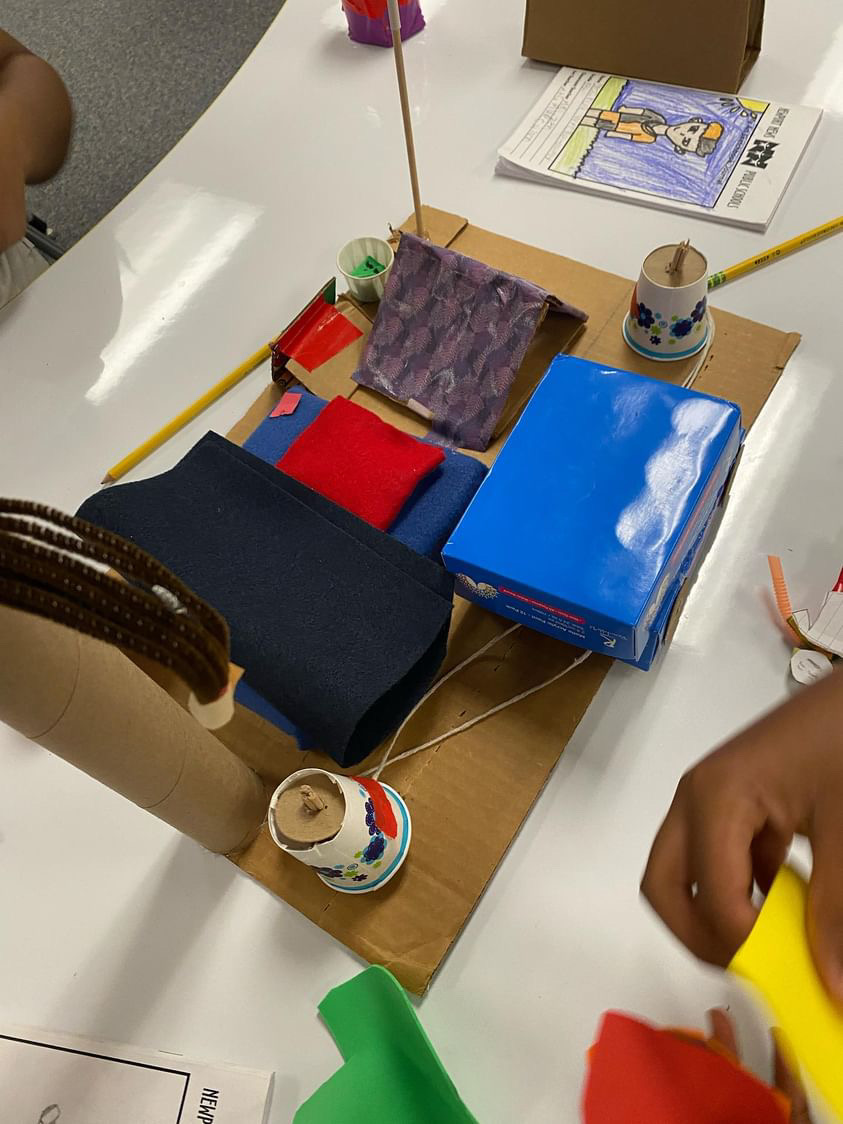
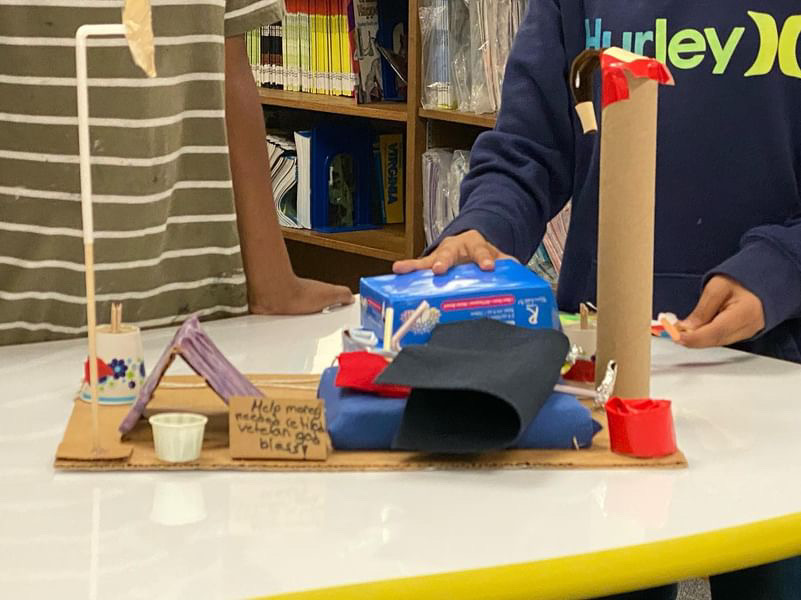
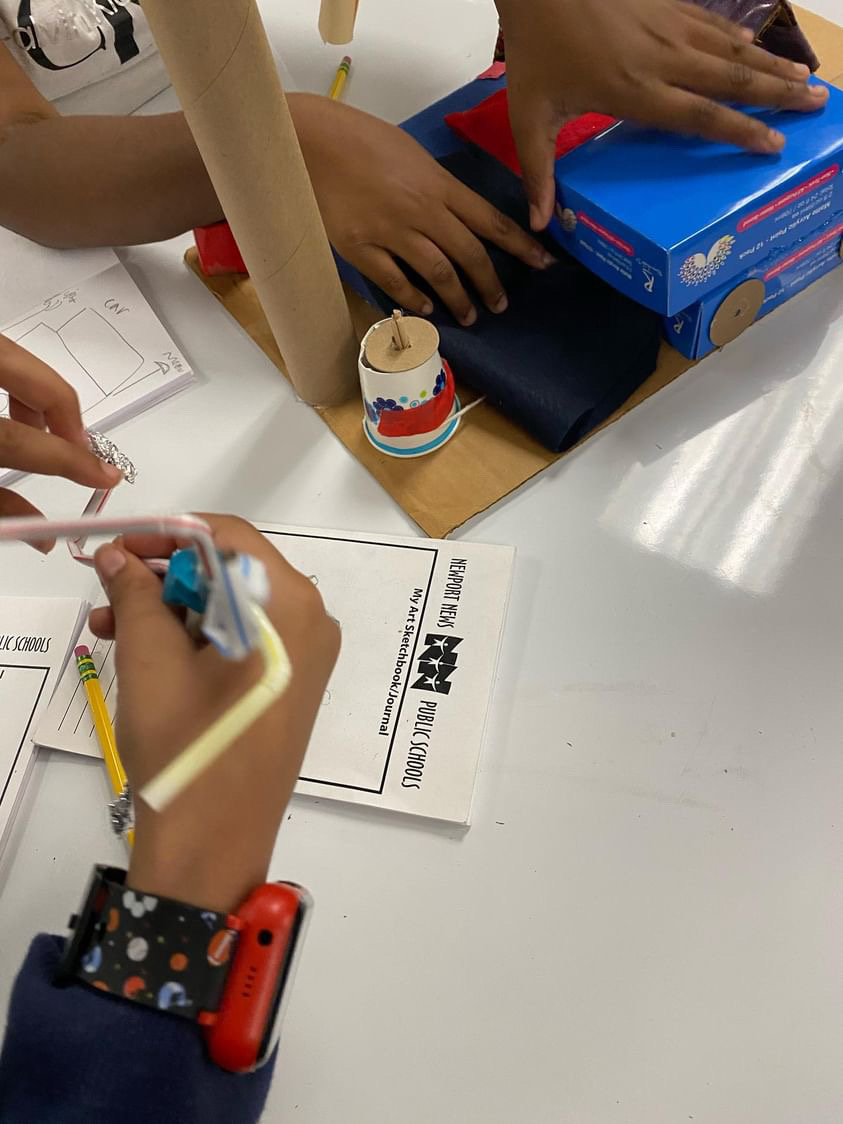
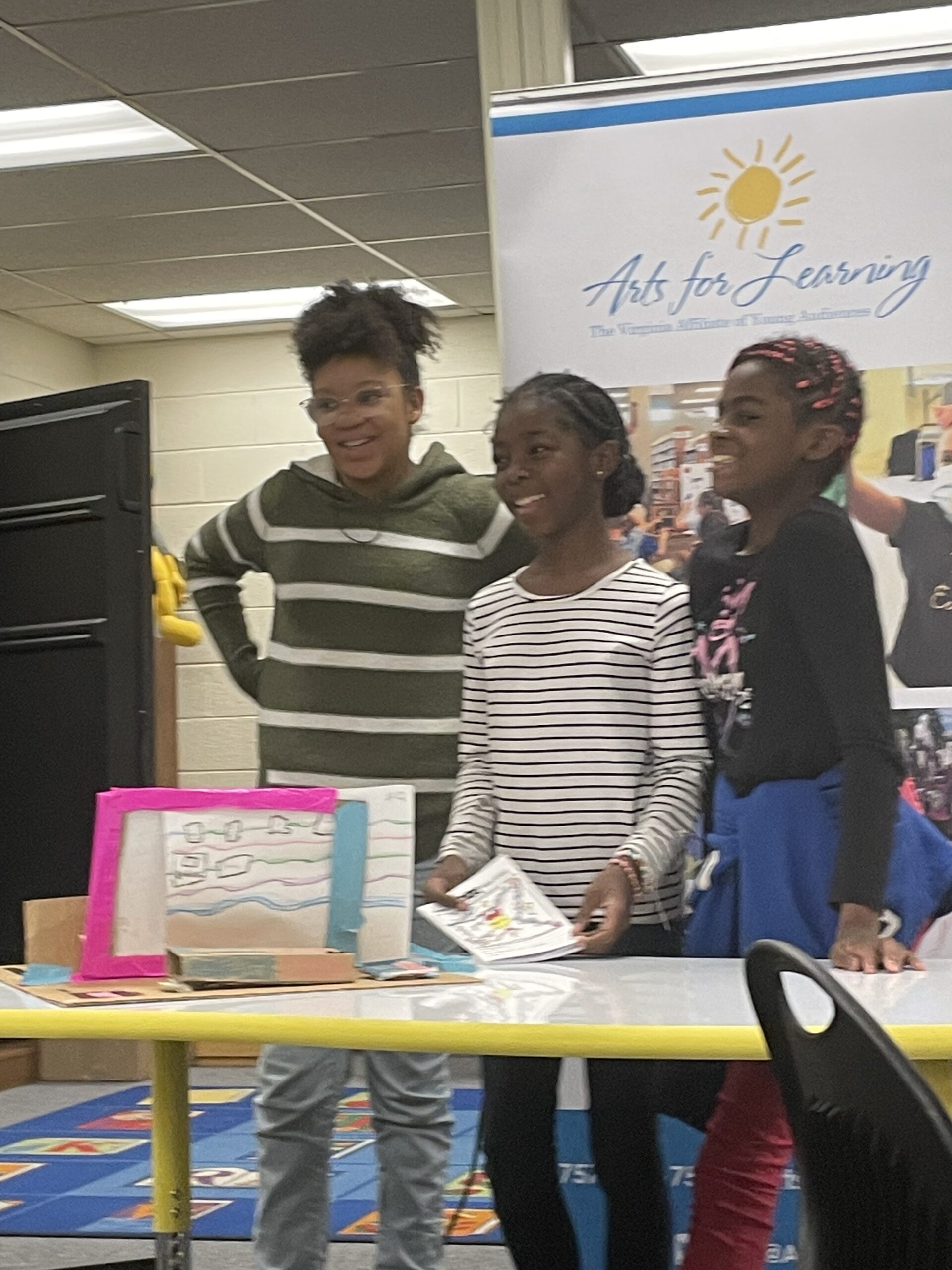
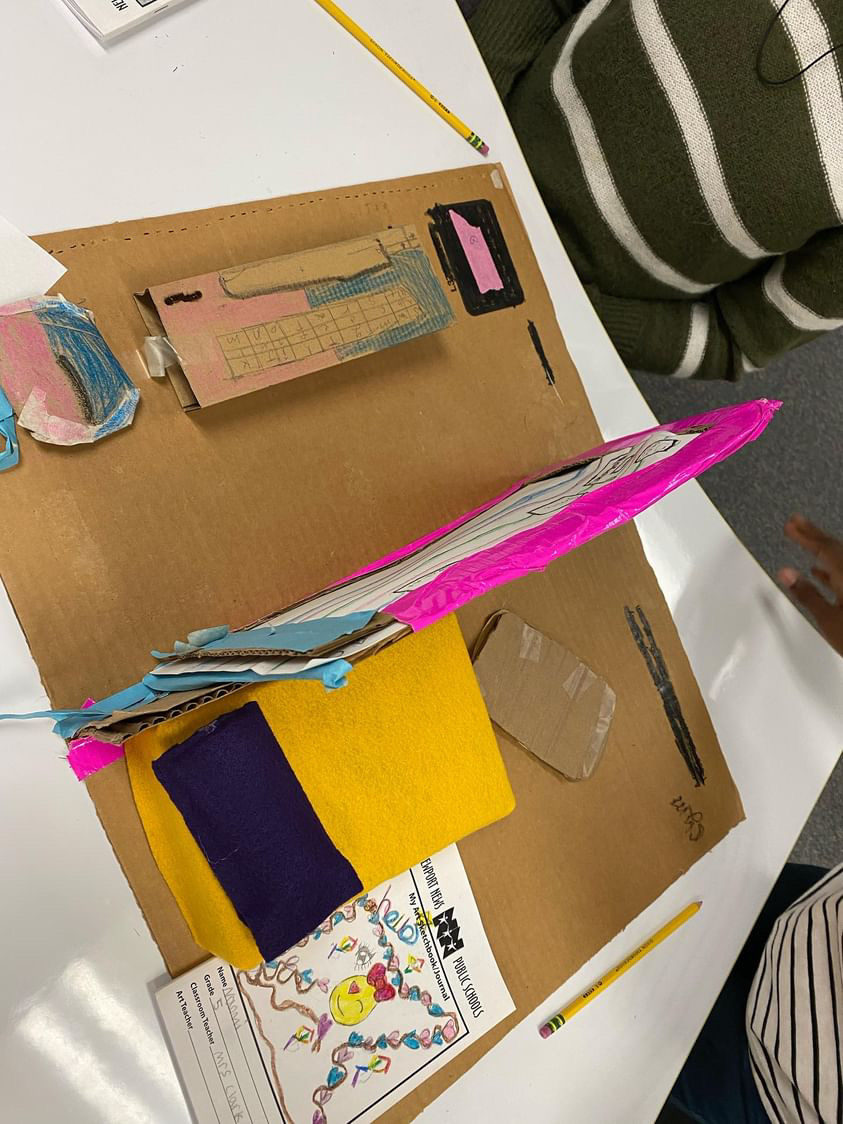
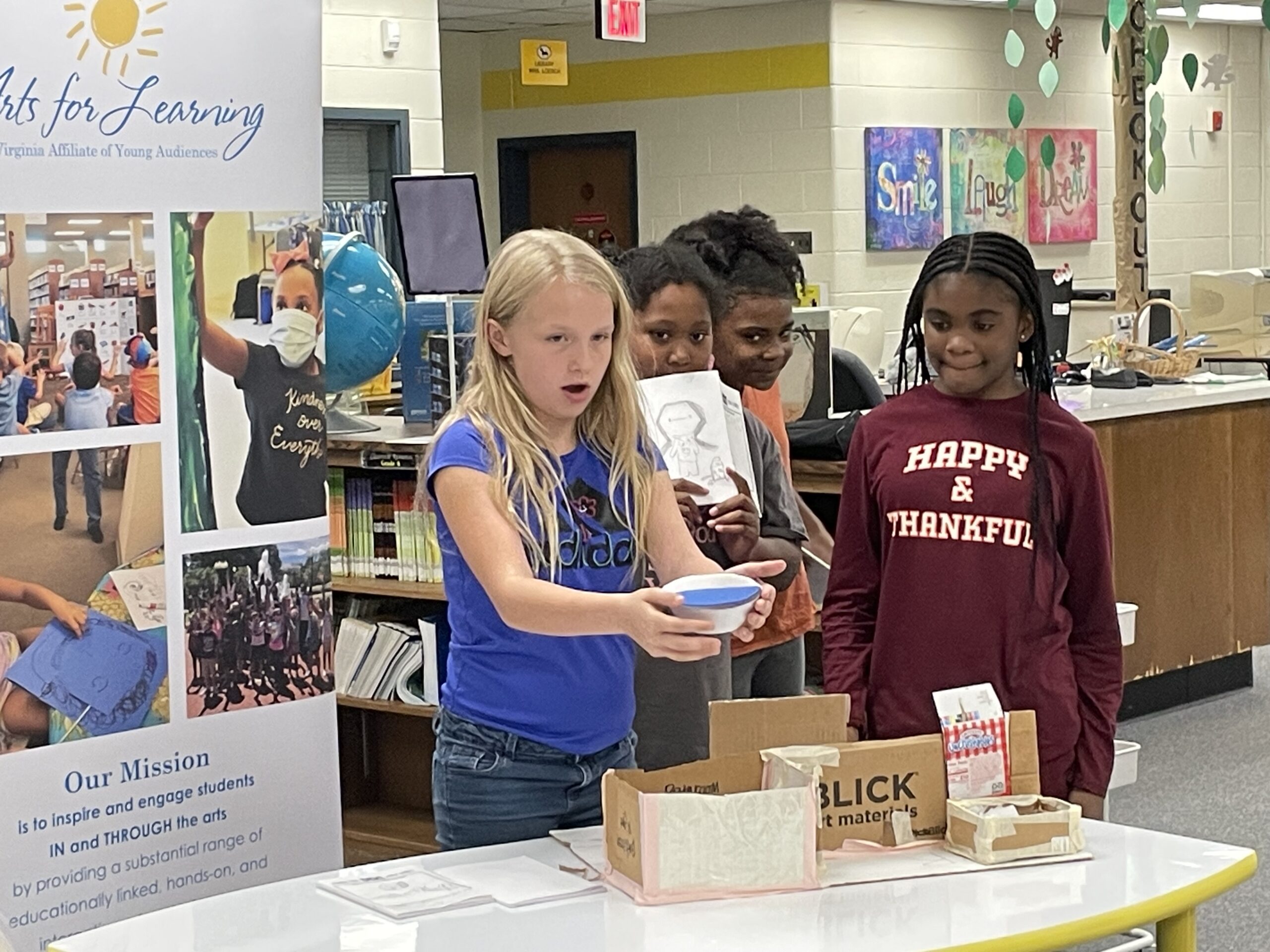
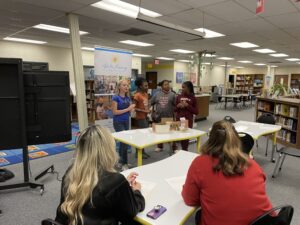 As part of an innovative after-school residency, 5th graders in Newport News have unveiled 3D artistic creations that are the result of weeks of brainstorming, teamwork, and hands-on design. Four teams of students at George J. McIntosh Elementary School created prototypes that address social issues, presenting their models to educators, community leaders, Arts for Learning staff and board members, and their peers in the residency.
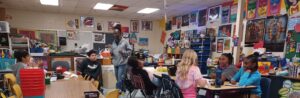 Led by A4L teaching artist